
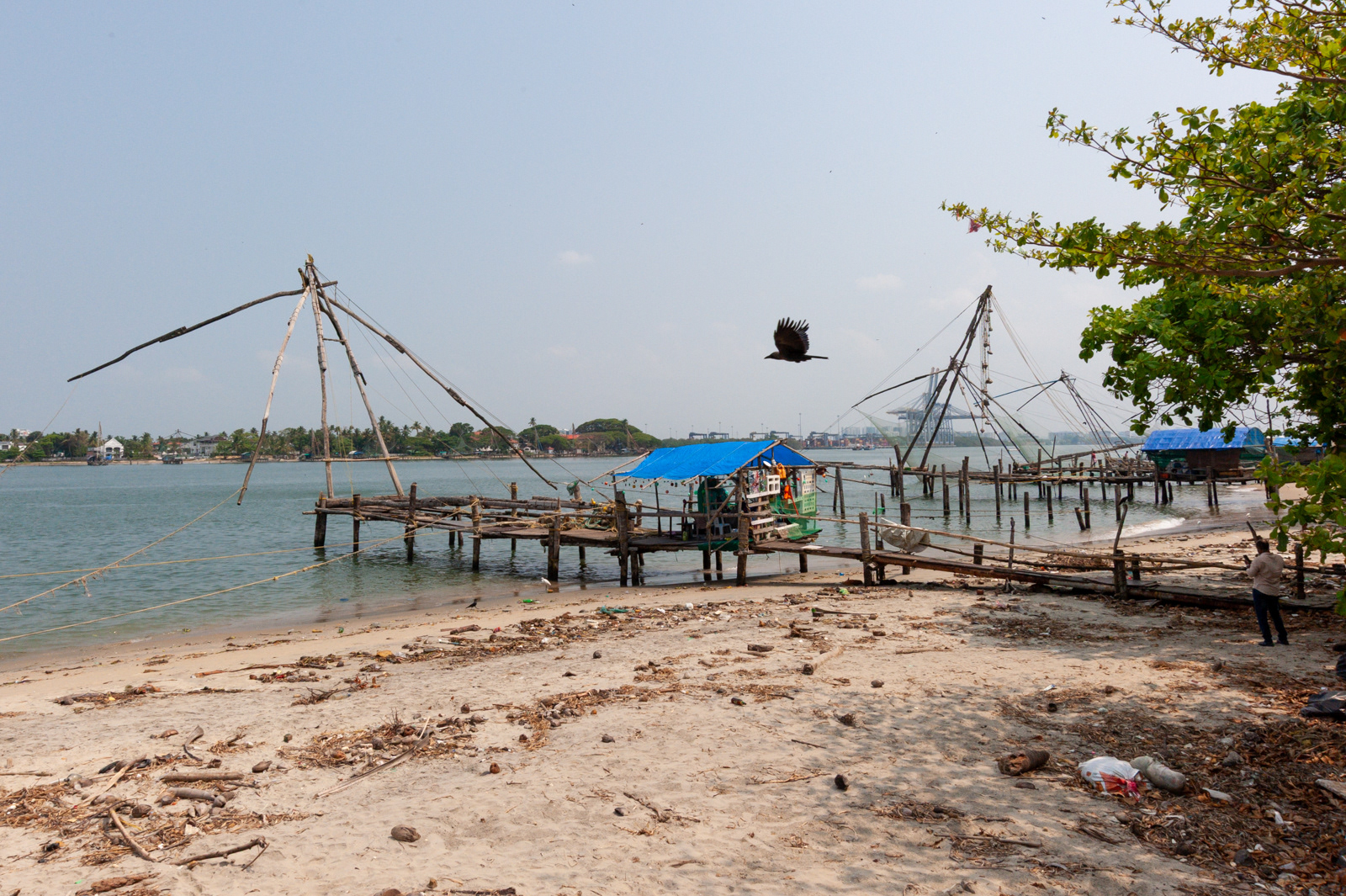
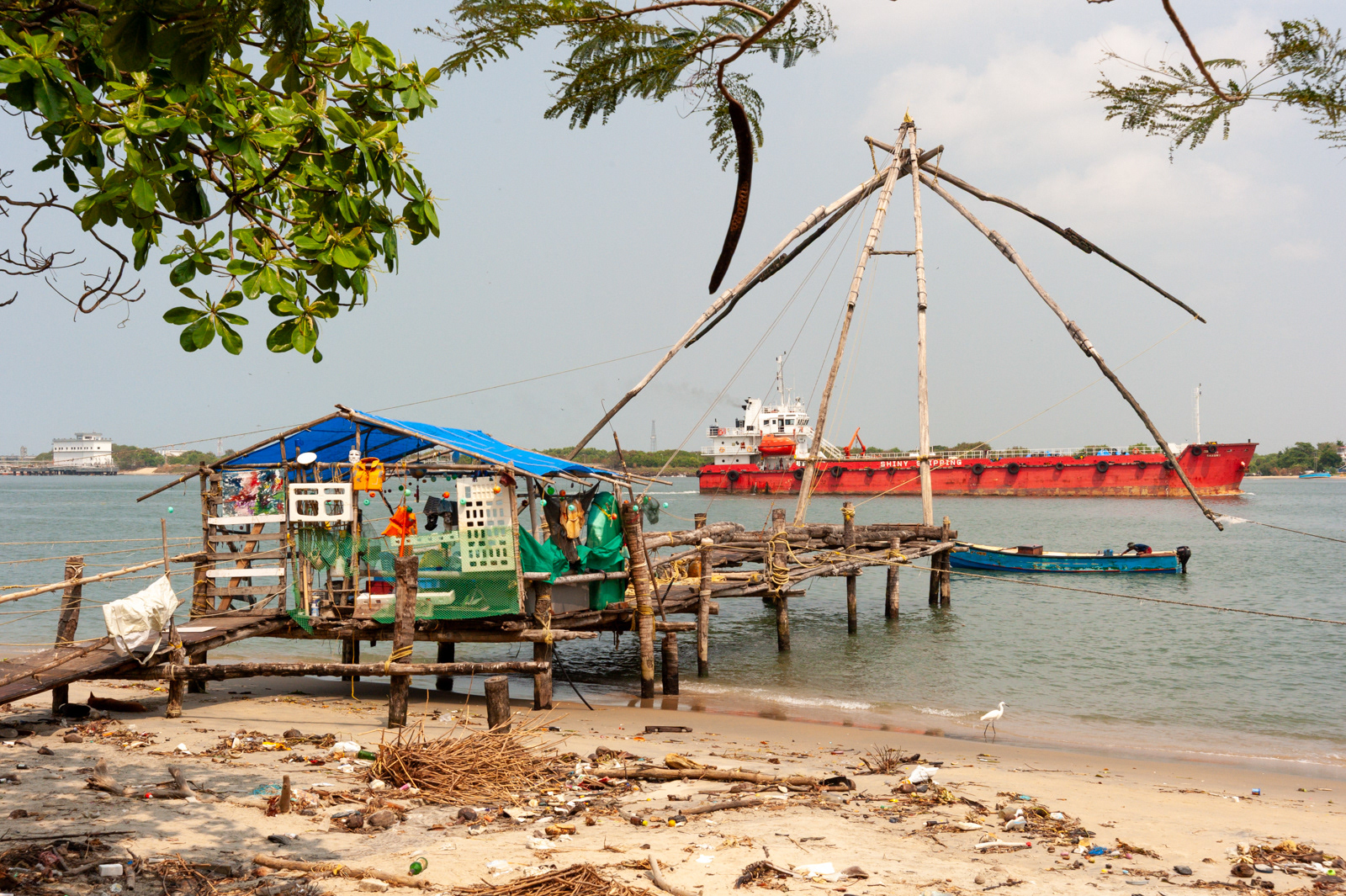
One of the abiding images of Kochi are photos of the Chinese Nets used by fishermen all along this coast. For our first day in Keralam, we headed to Fort Kochi and the waterfront. The place traces its roots back to the first European fort on Indian soil, Fort Manuel of Cochin. Established by the Portuguese East Indies, this ‘coastal gem’ is part of a cluster of islands southwest of mainland Kochi. The area is a snapshot of the region’s history and multicultural heritage. The name is thought to come from “kochu azhi,” which translates to “small lagoon” in Malayalam.
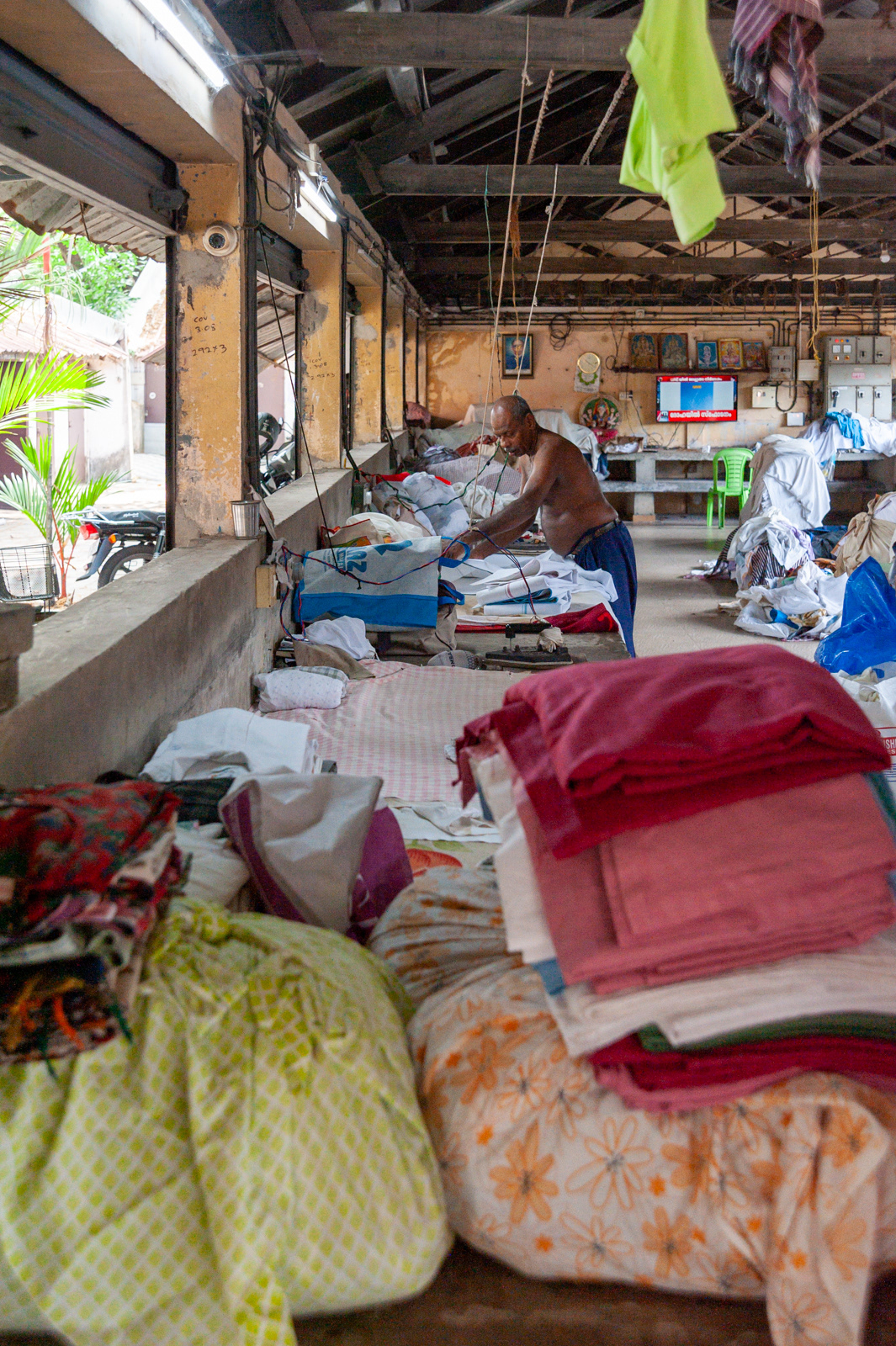
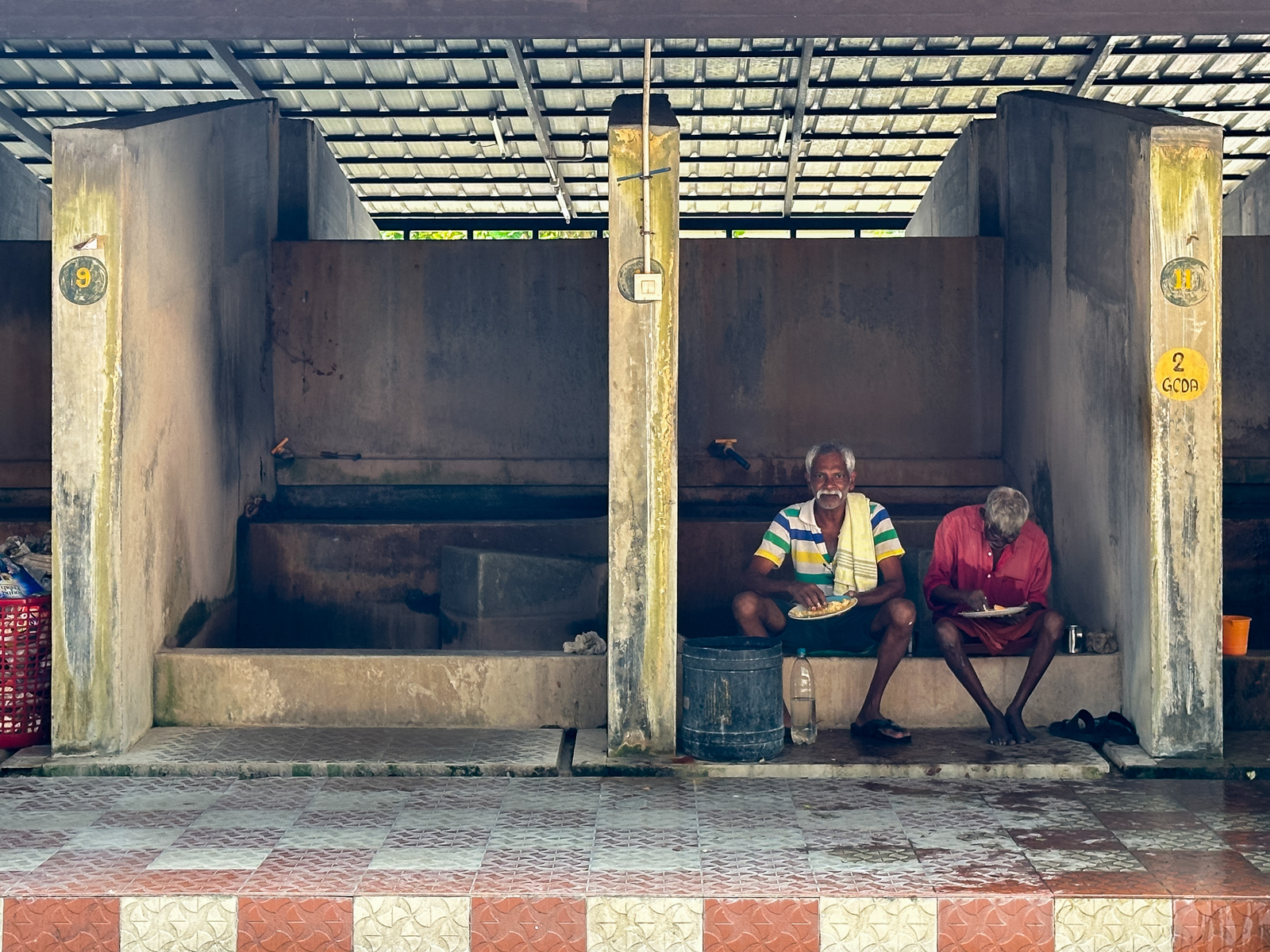
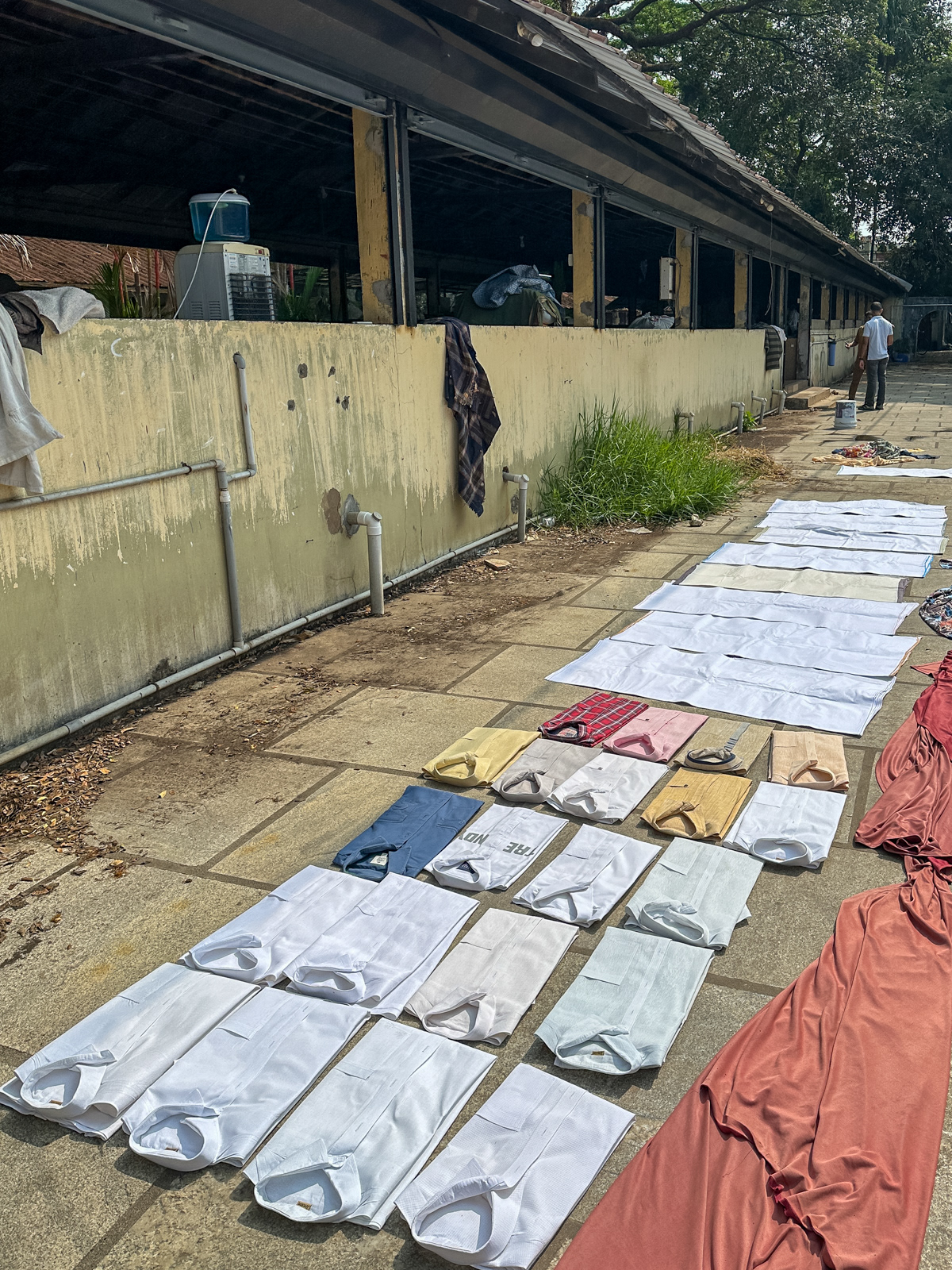
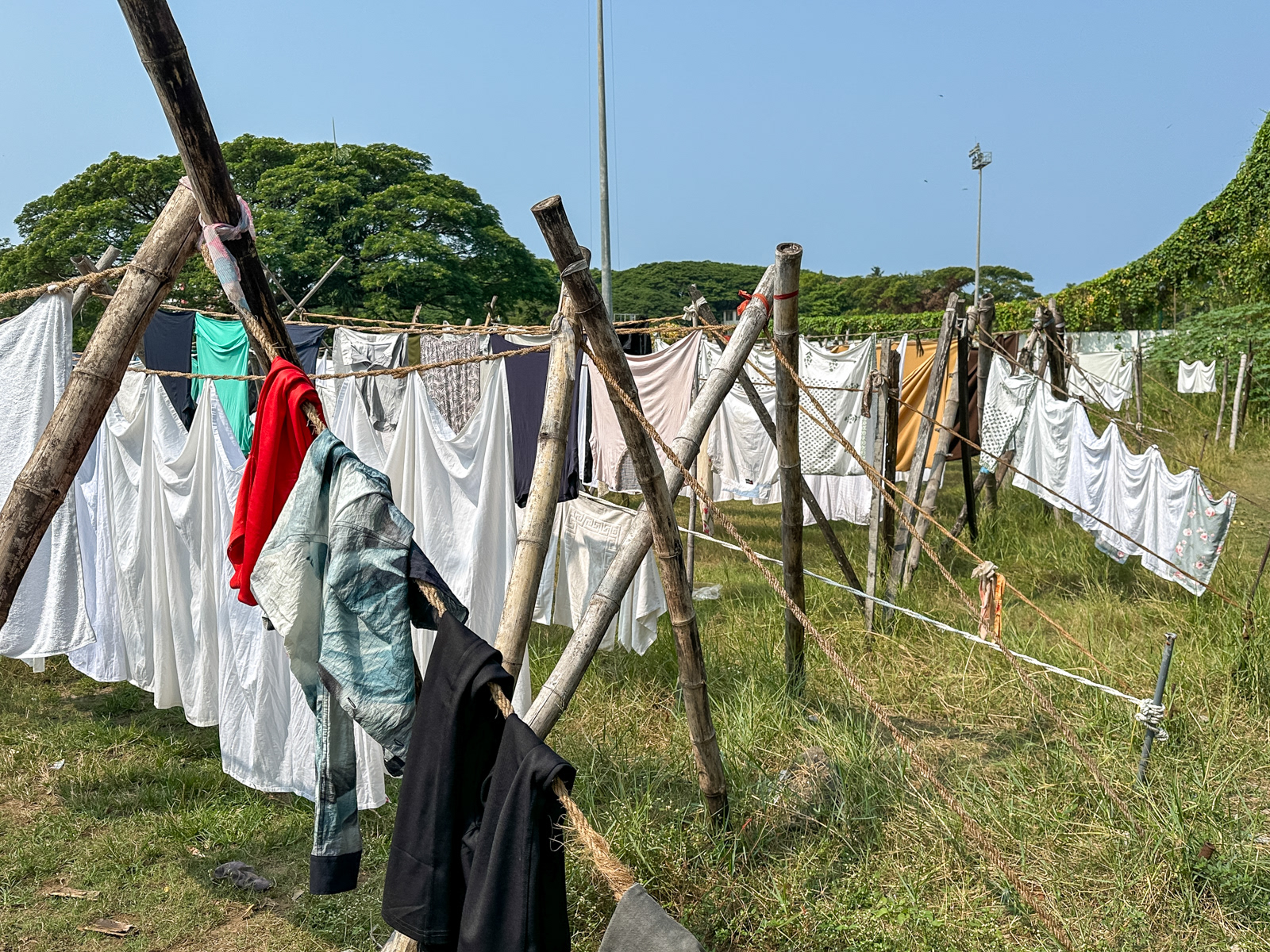
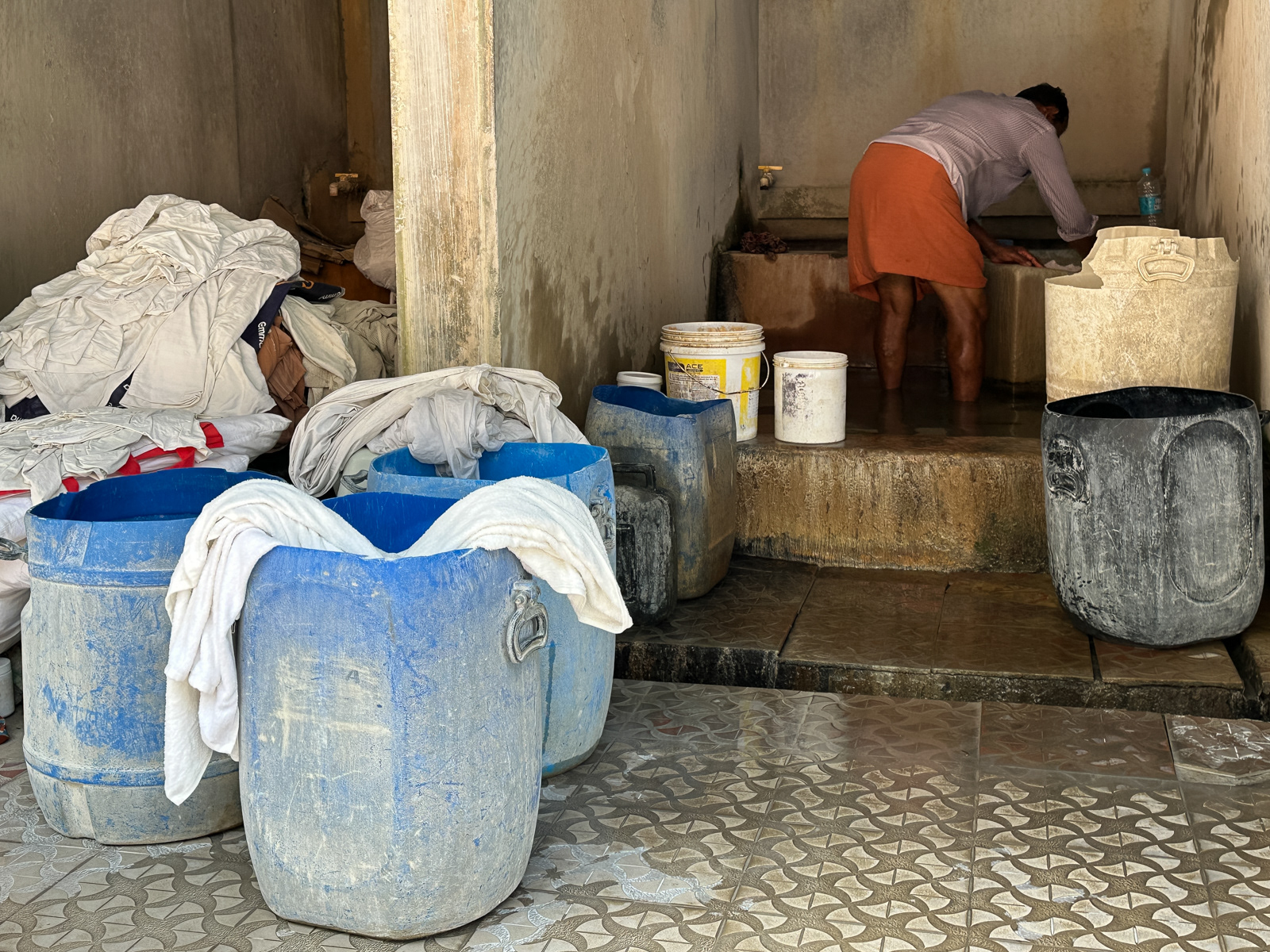
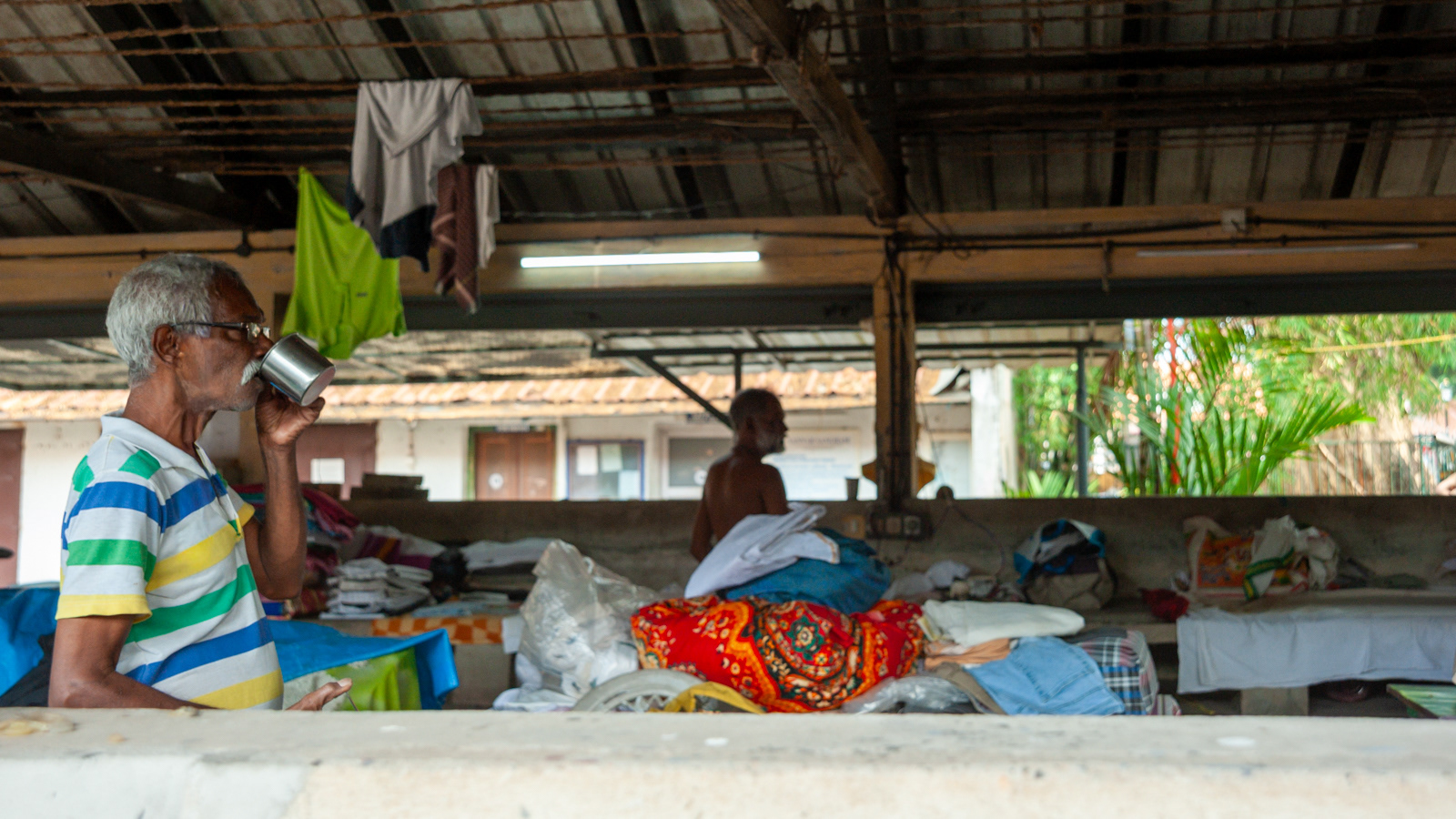
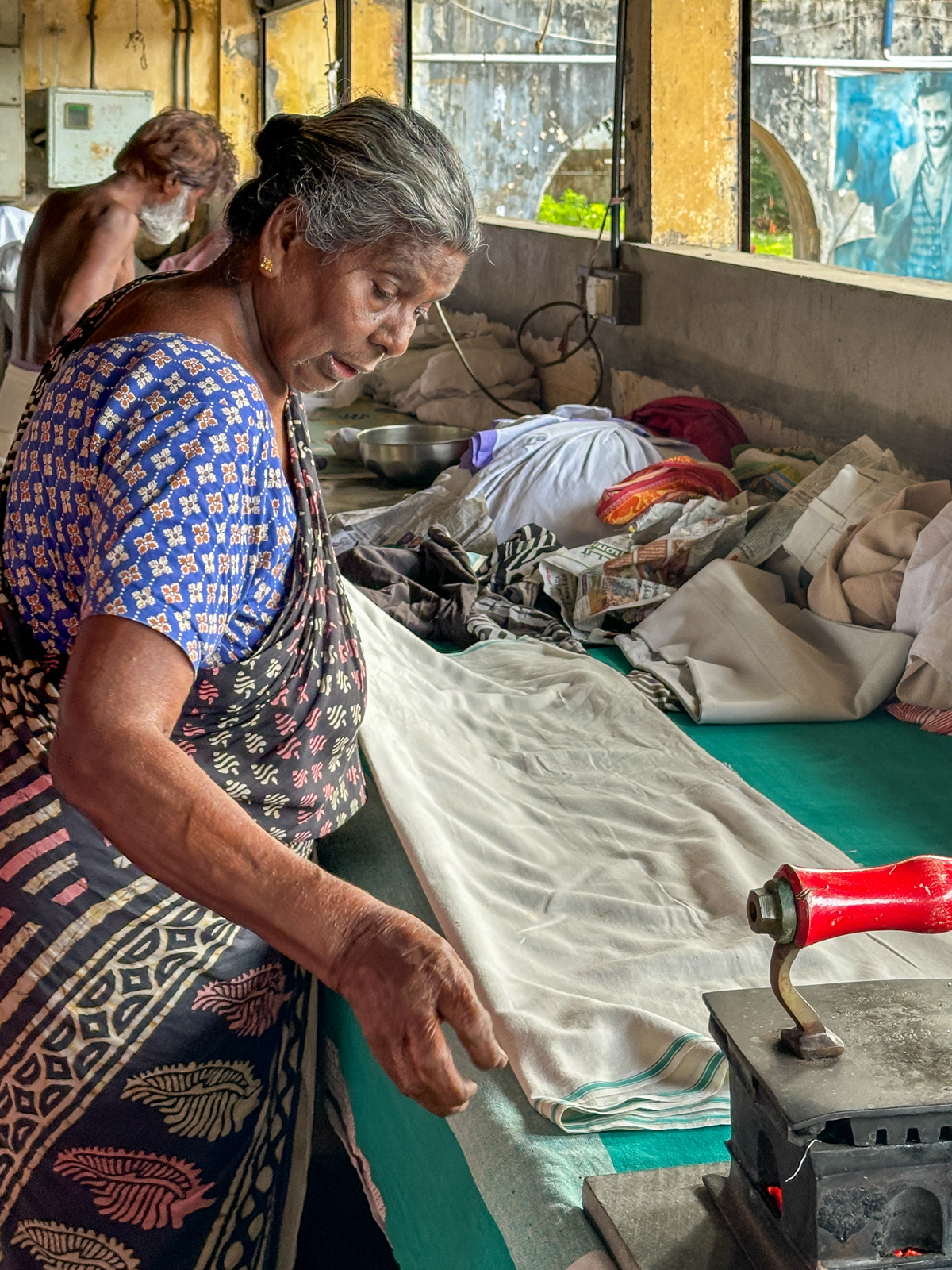
The Laundrette, huge and industrious
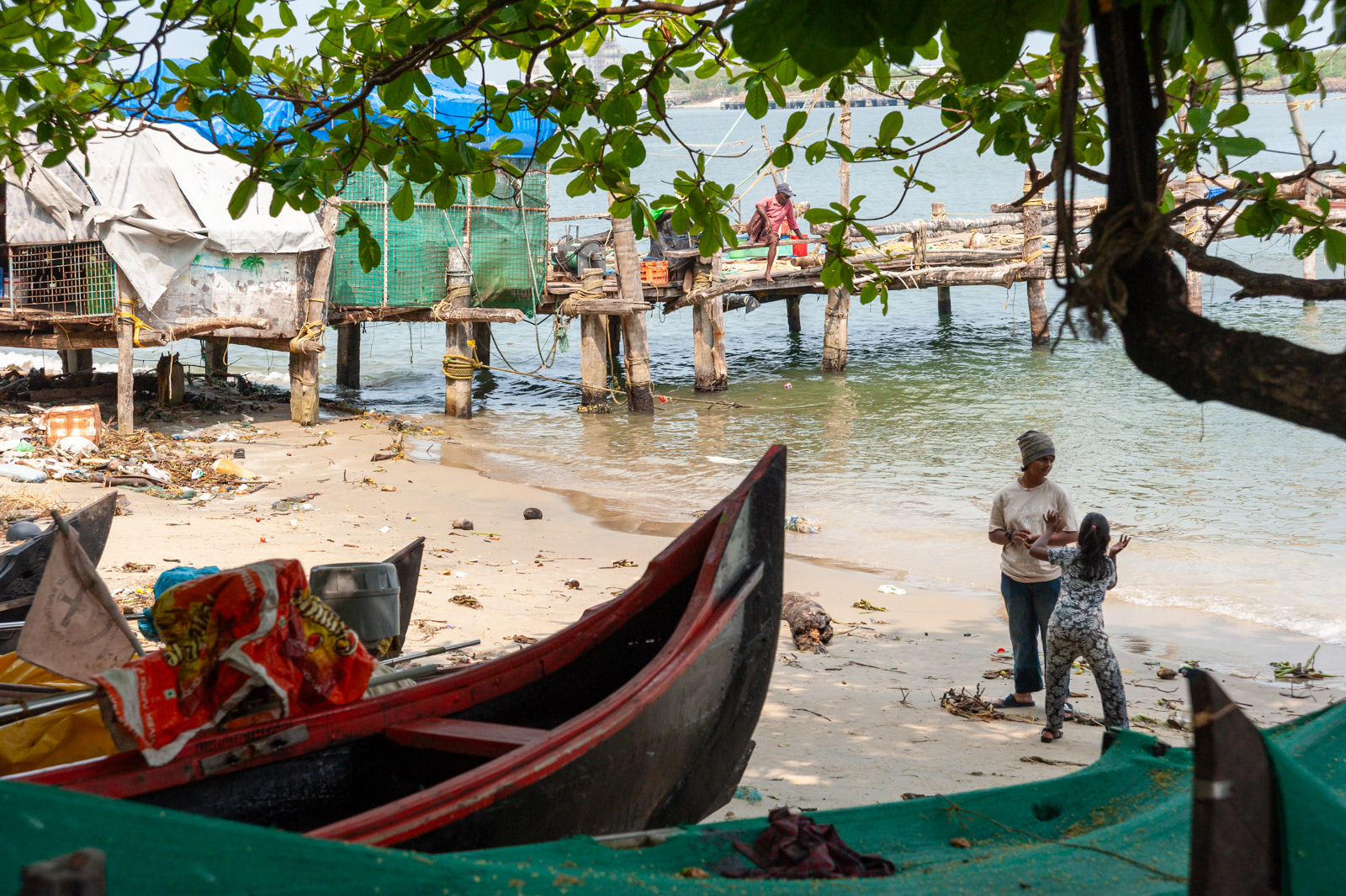
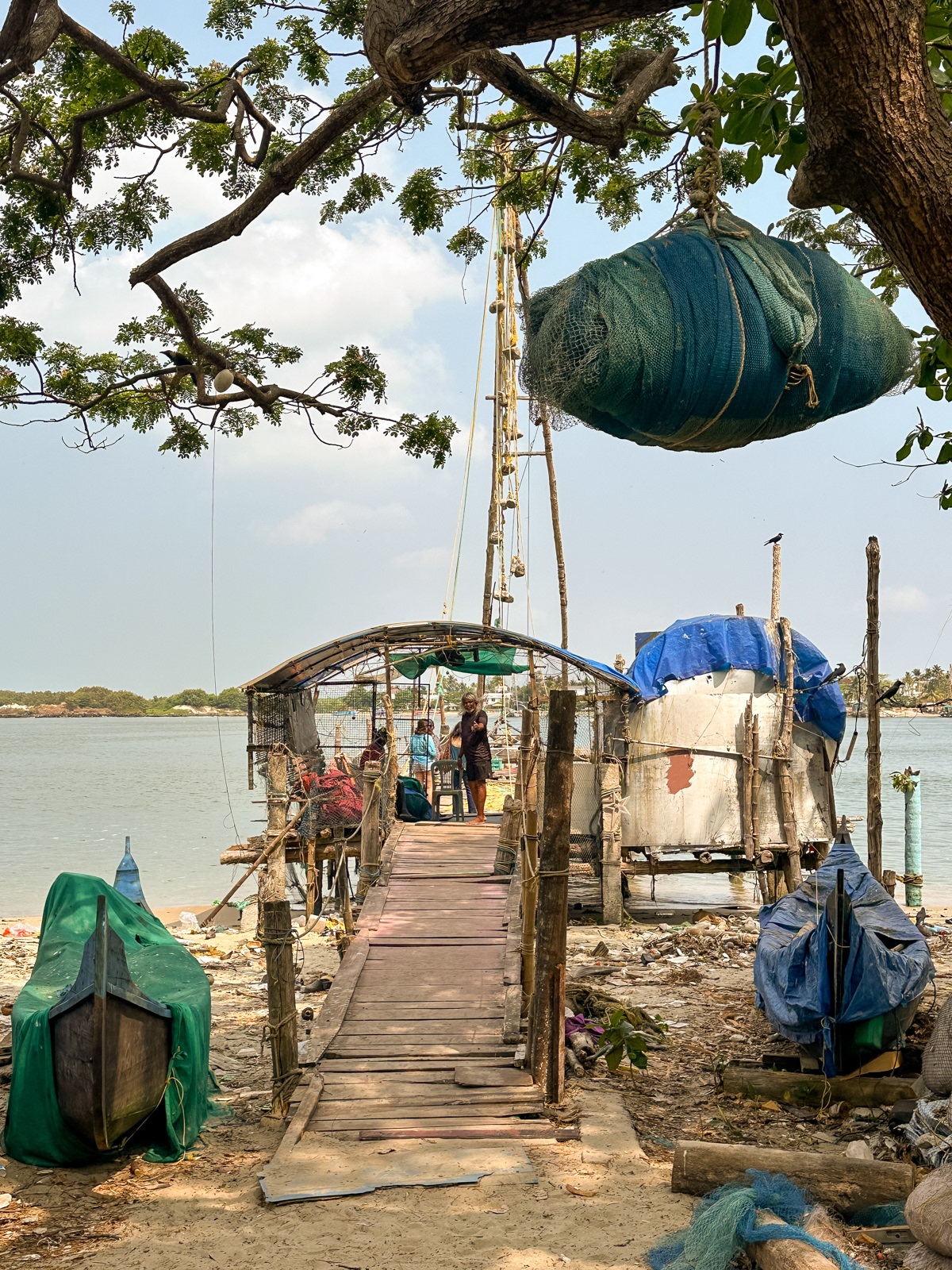
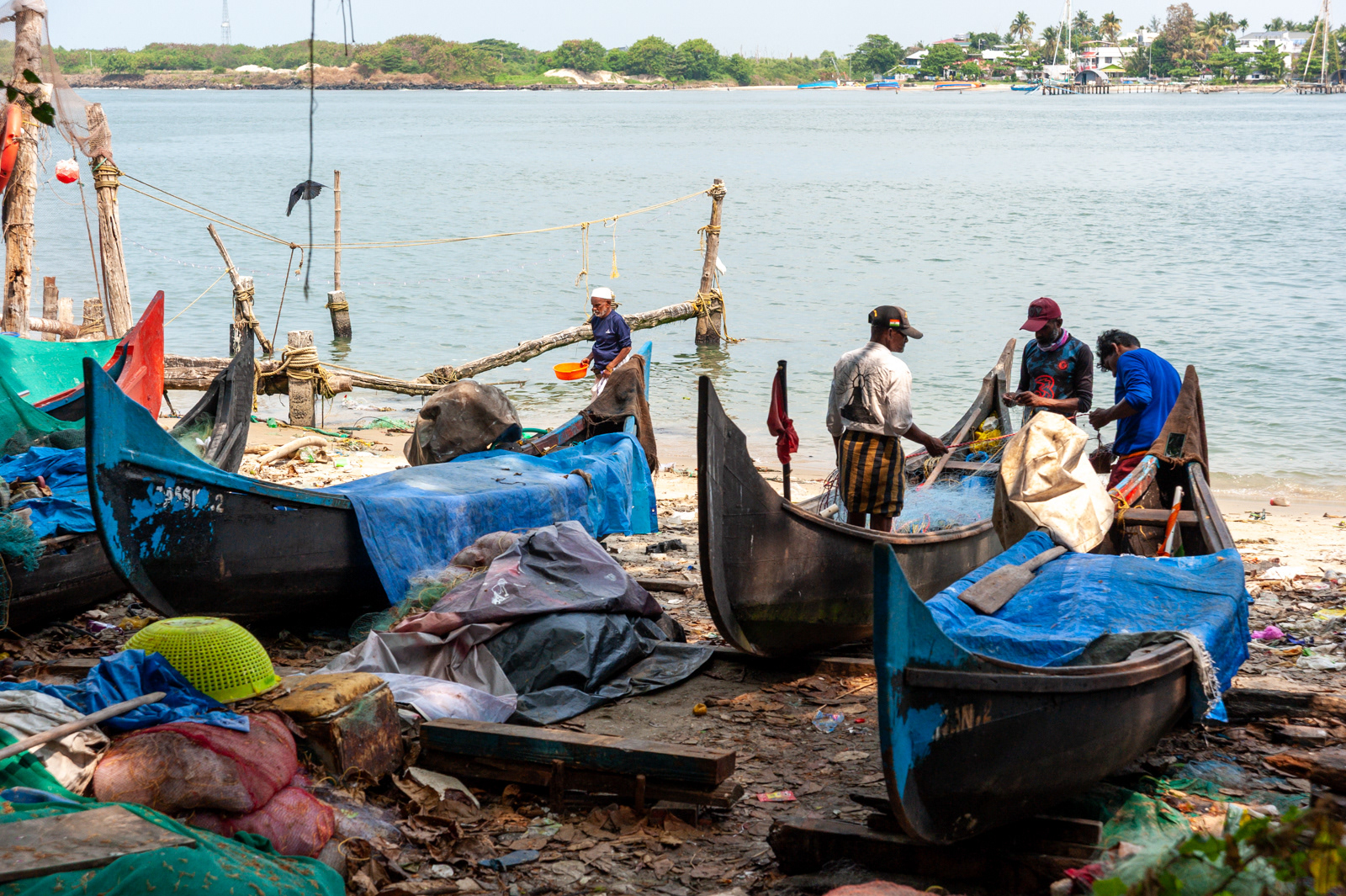
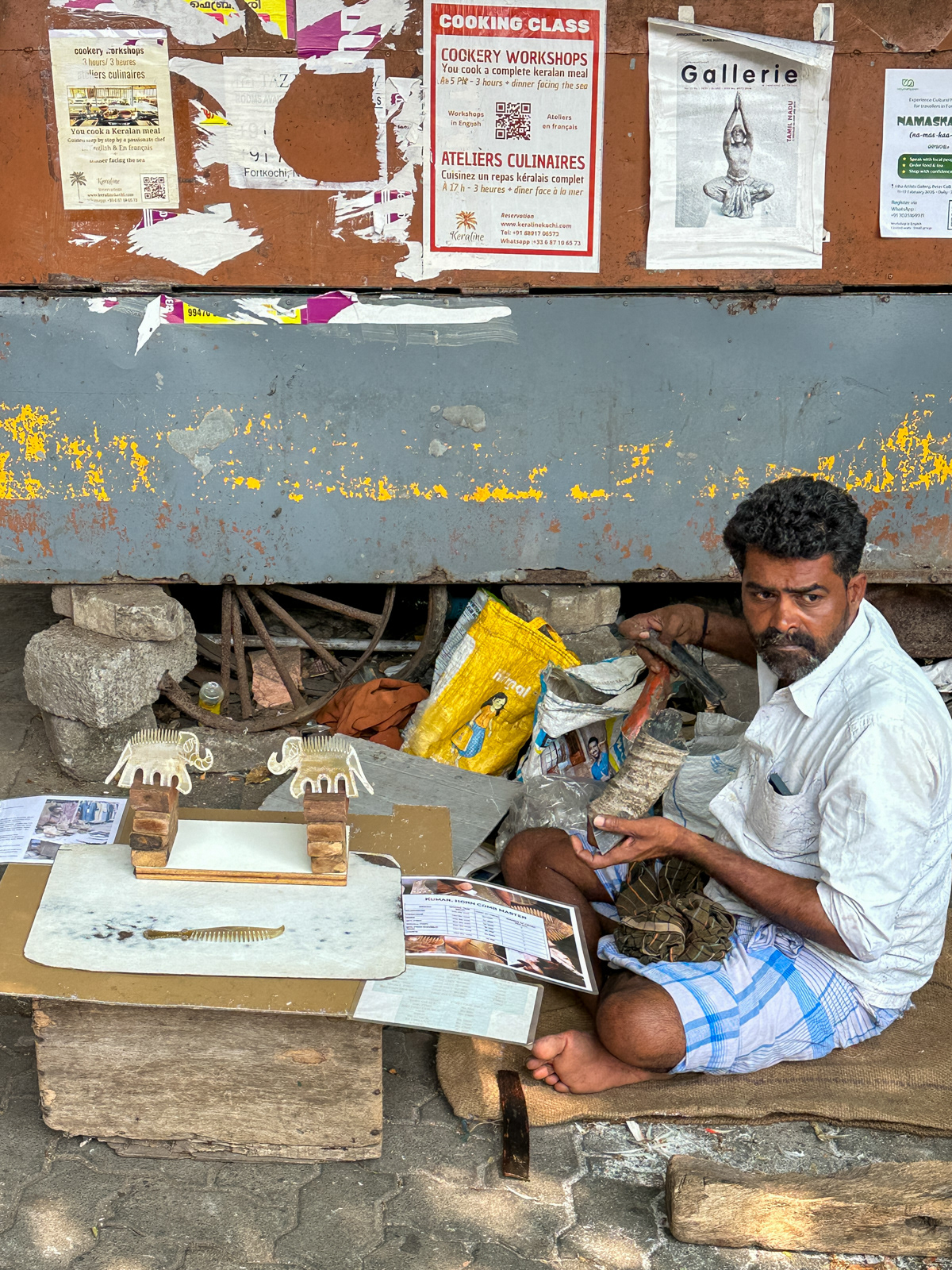
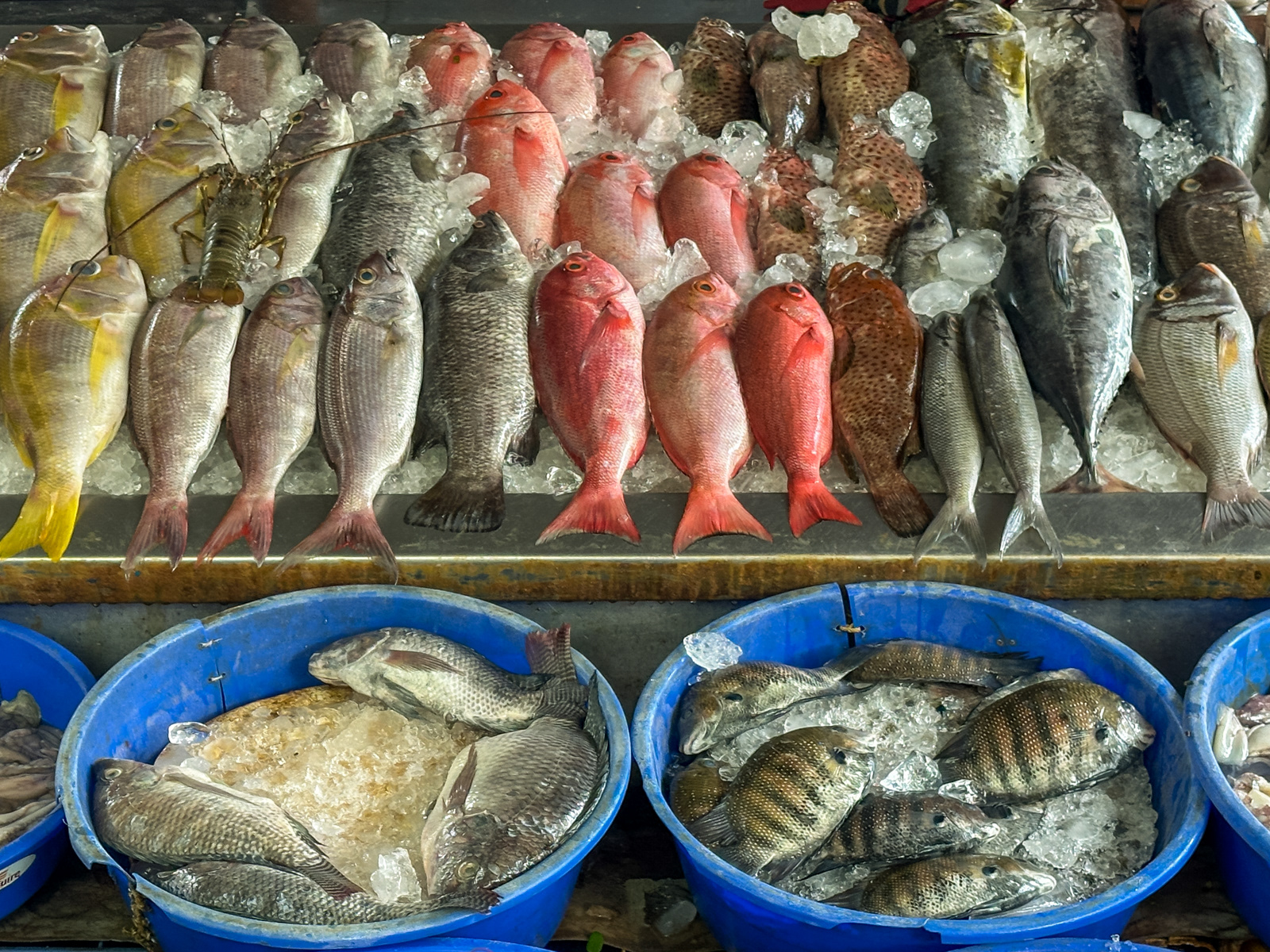
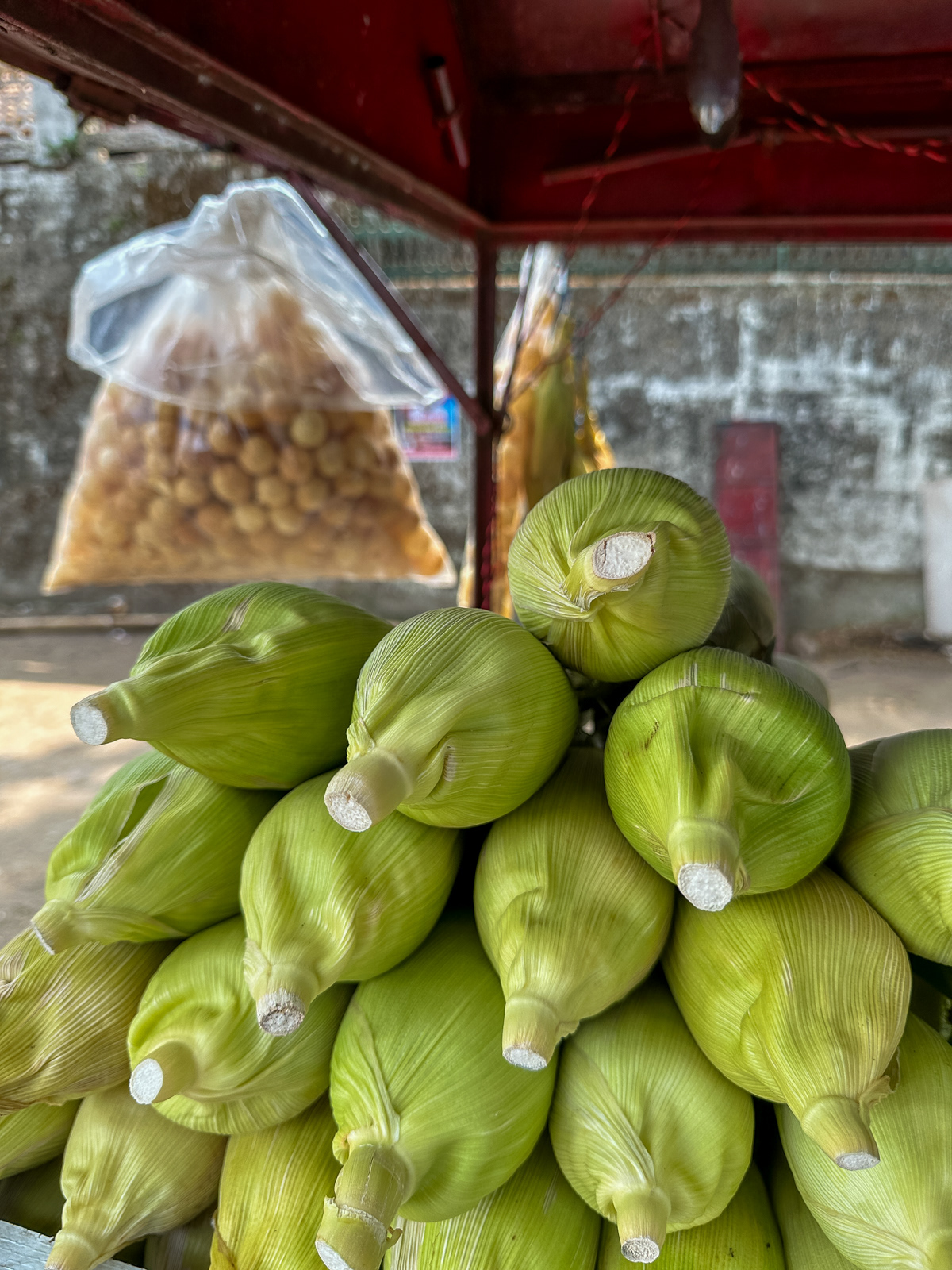
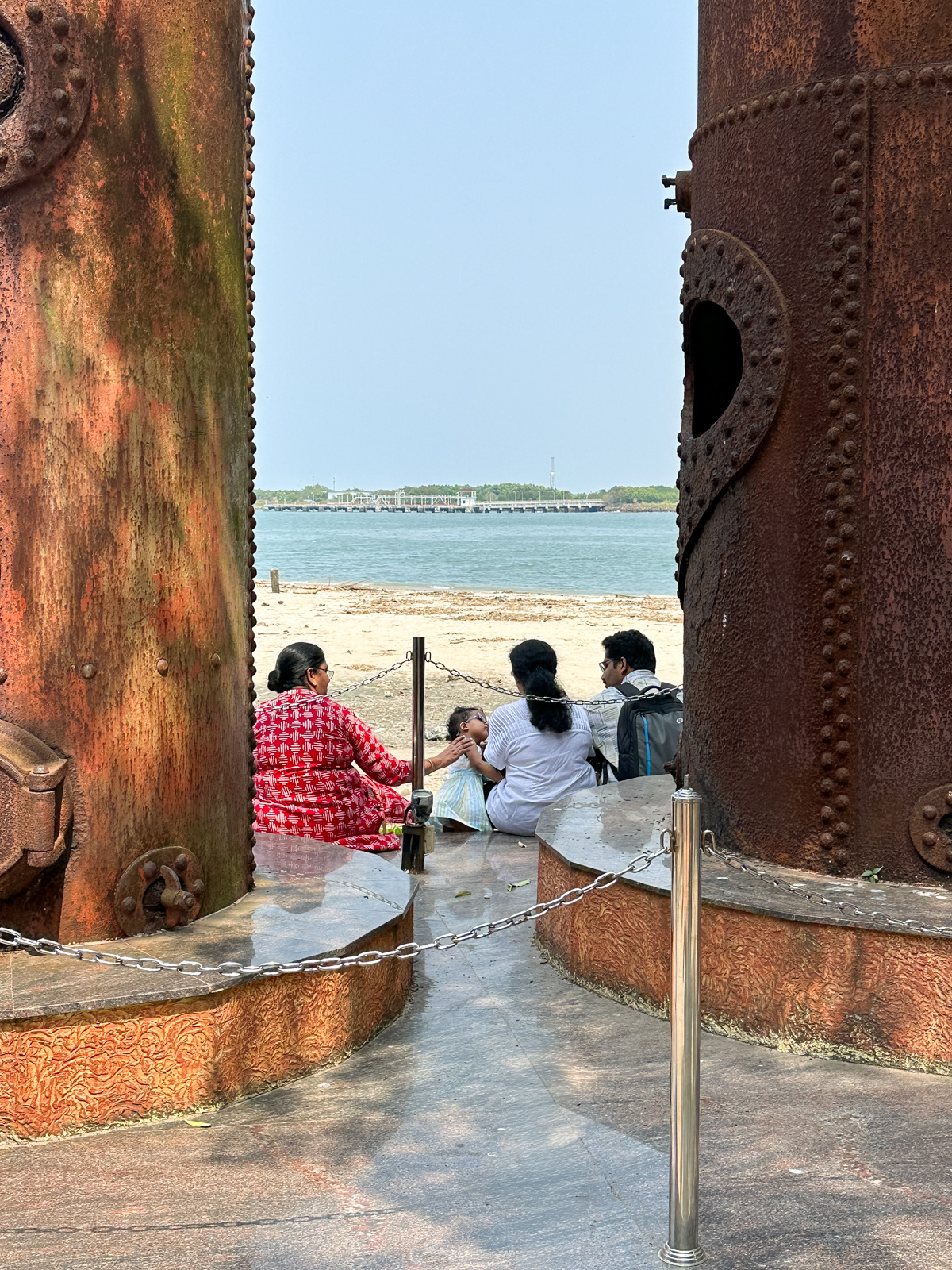
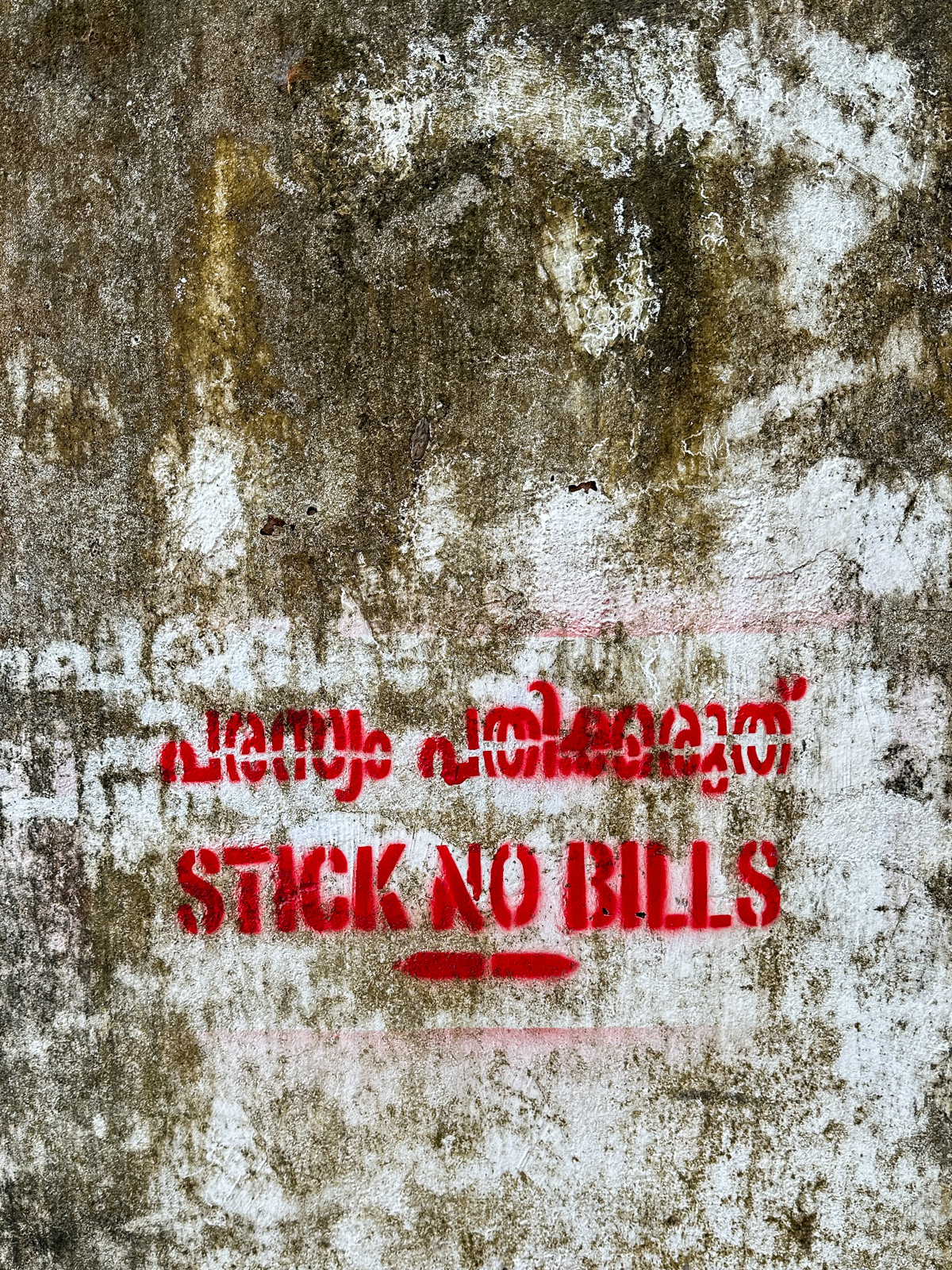
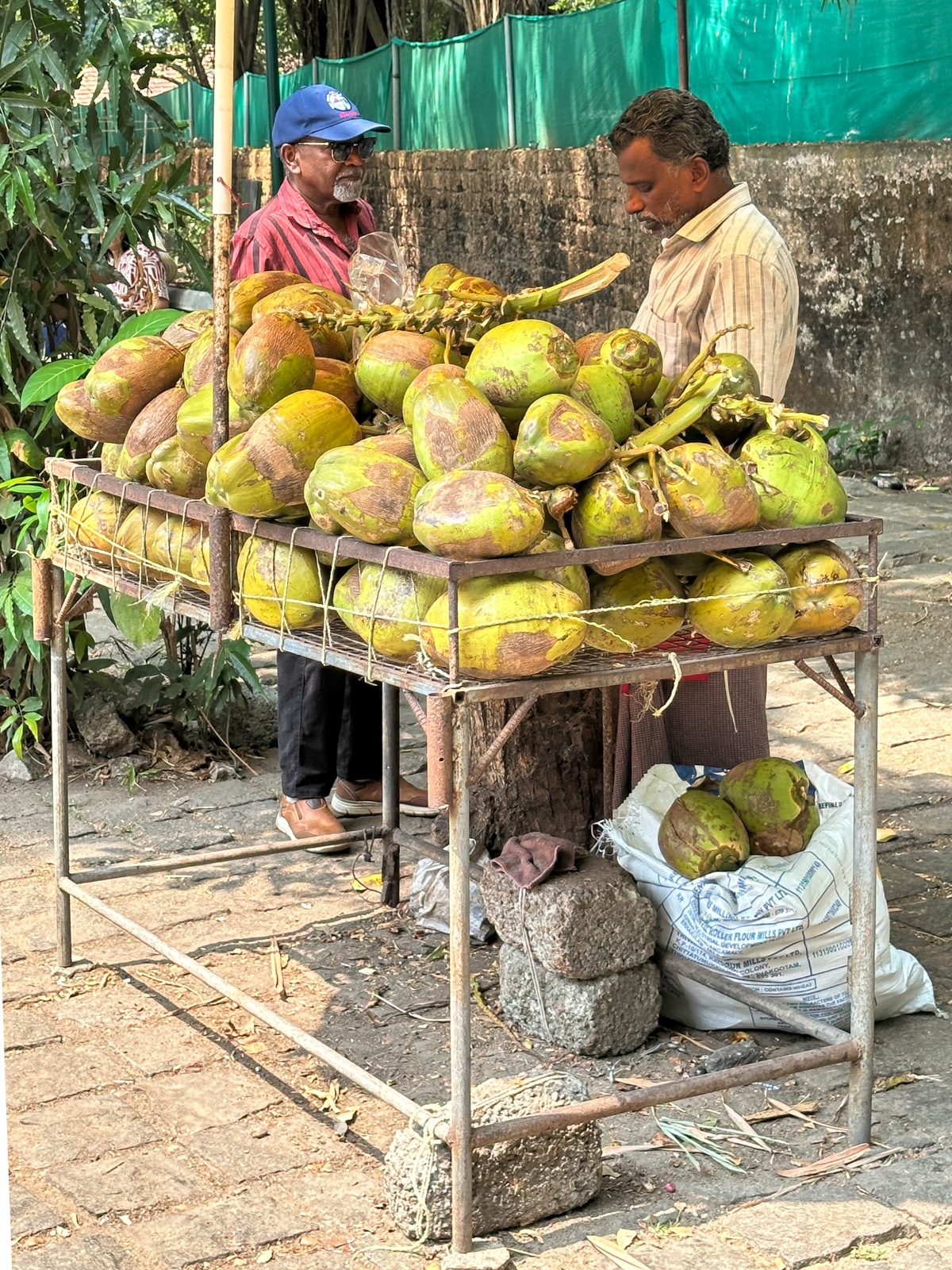
Between the street and beach are stalls that cater for both locals and tourists alike. Fresh fish abounds, as you would expect, as are fruit and veg stalls and fresh coconuts being carved to drink from.
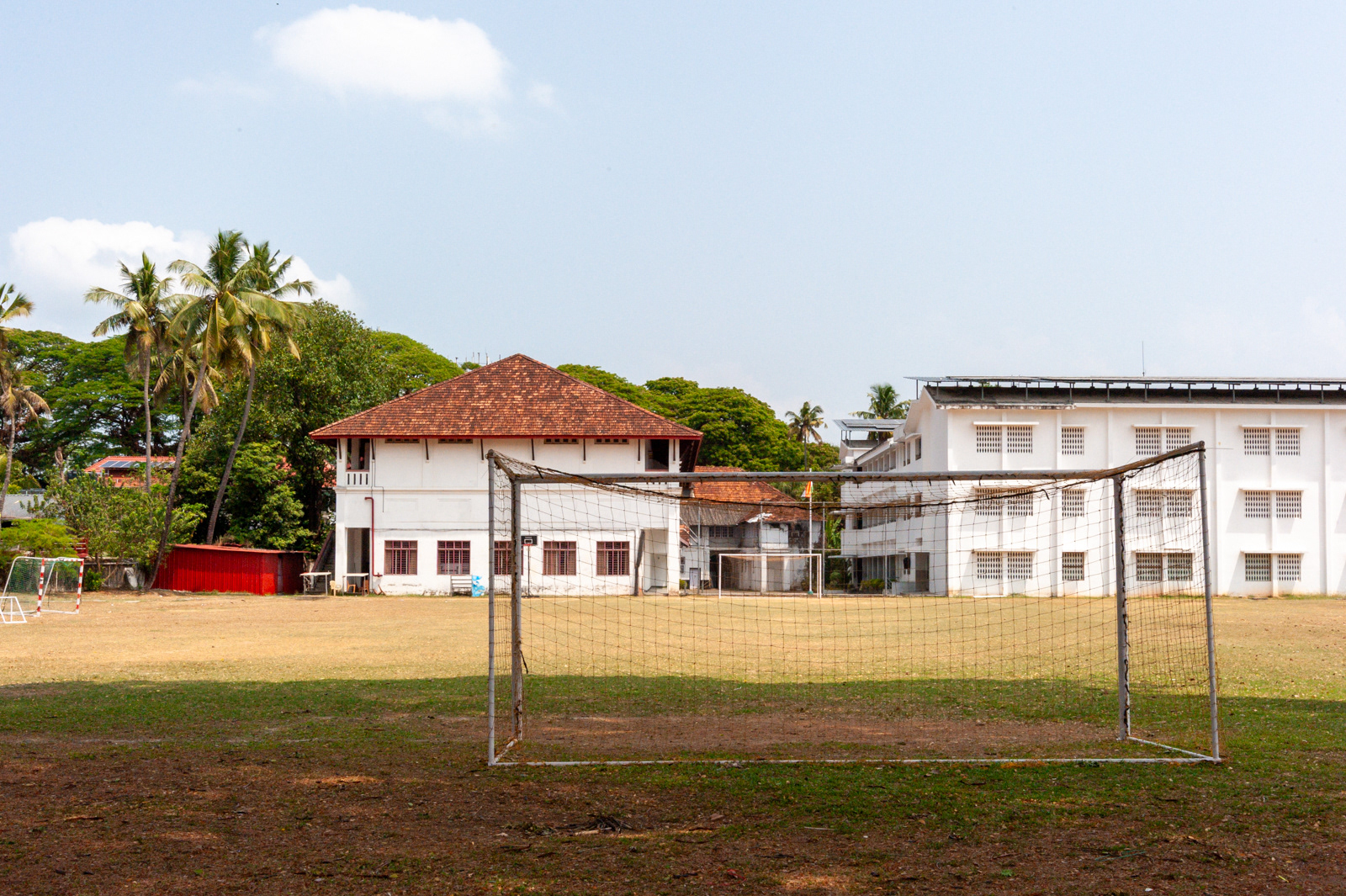
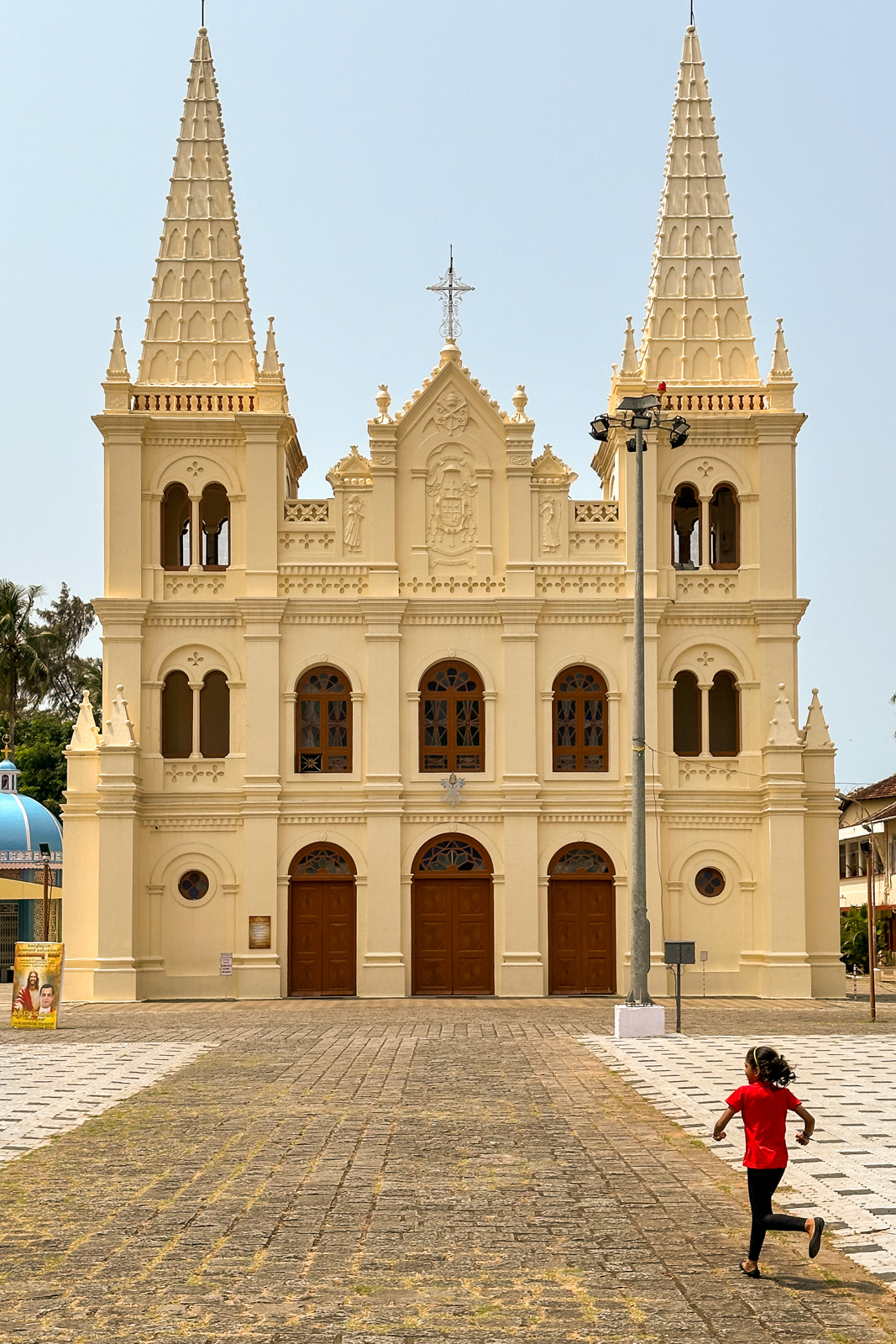
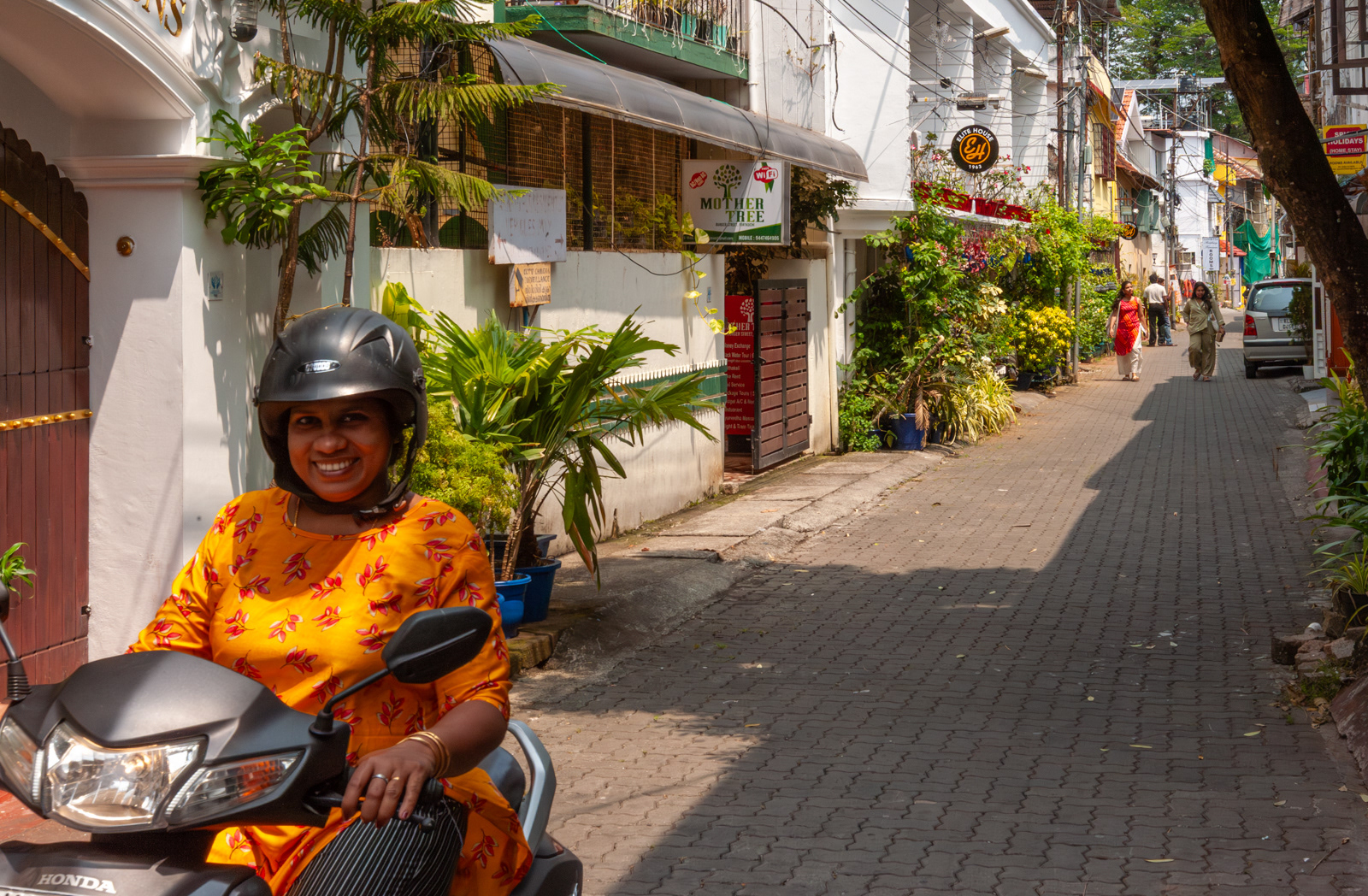
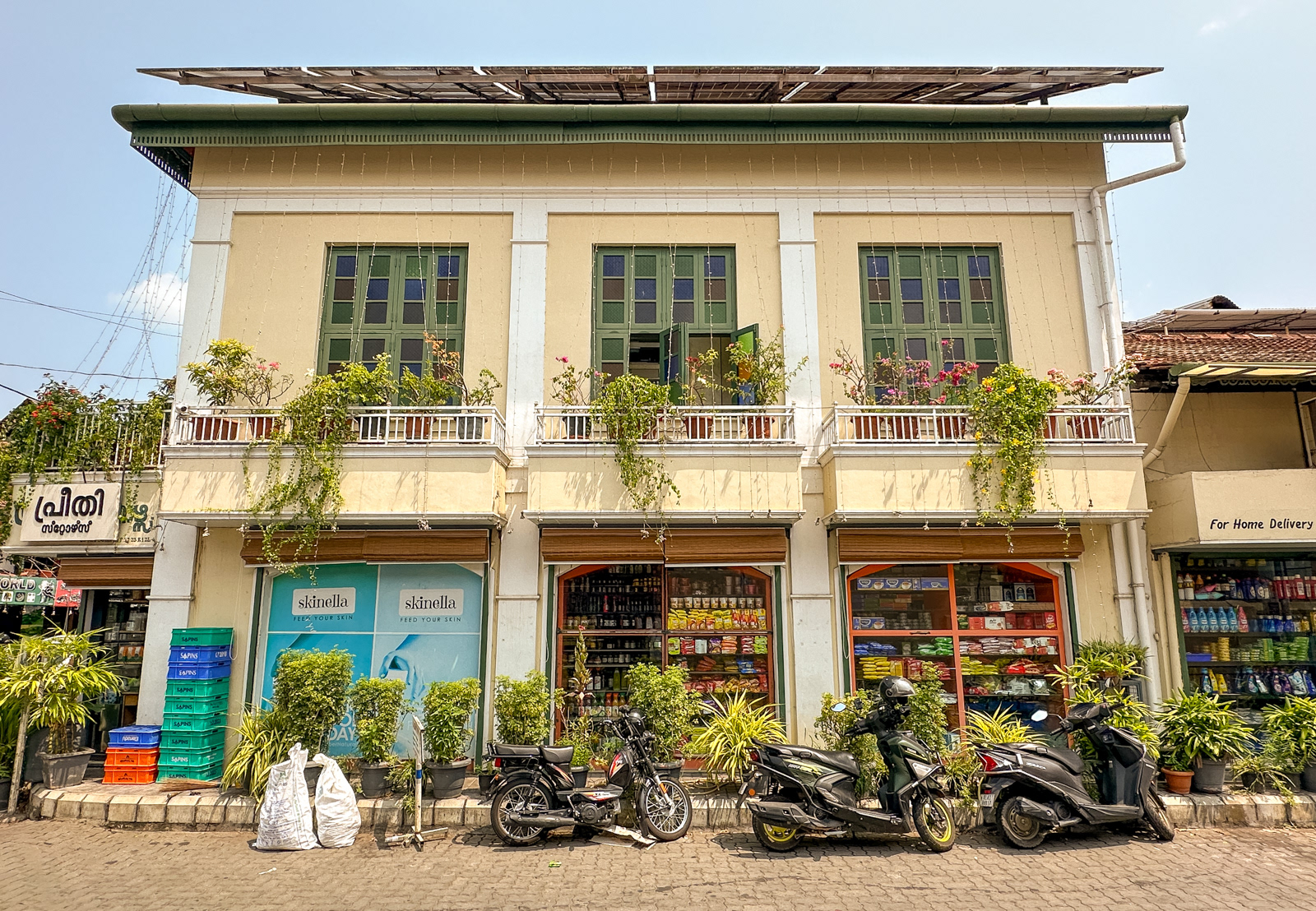
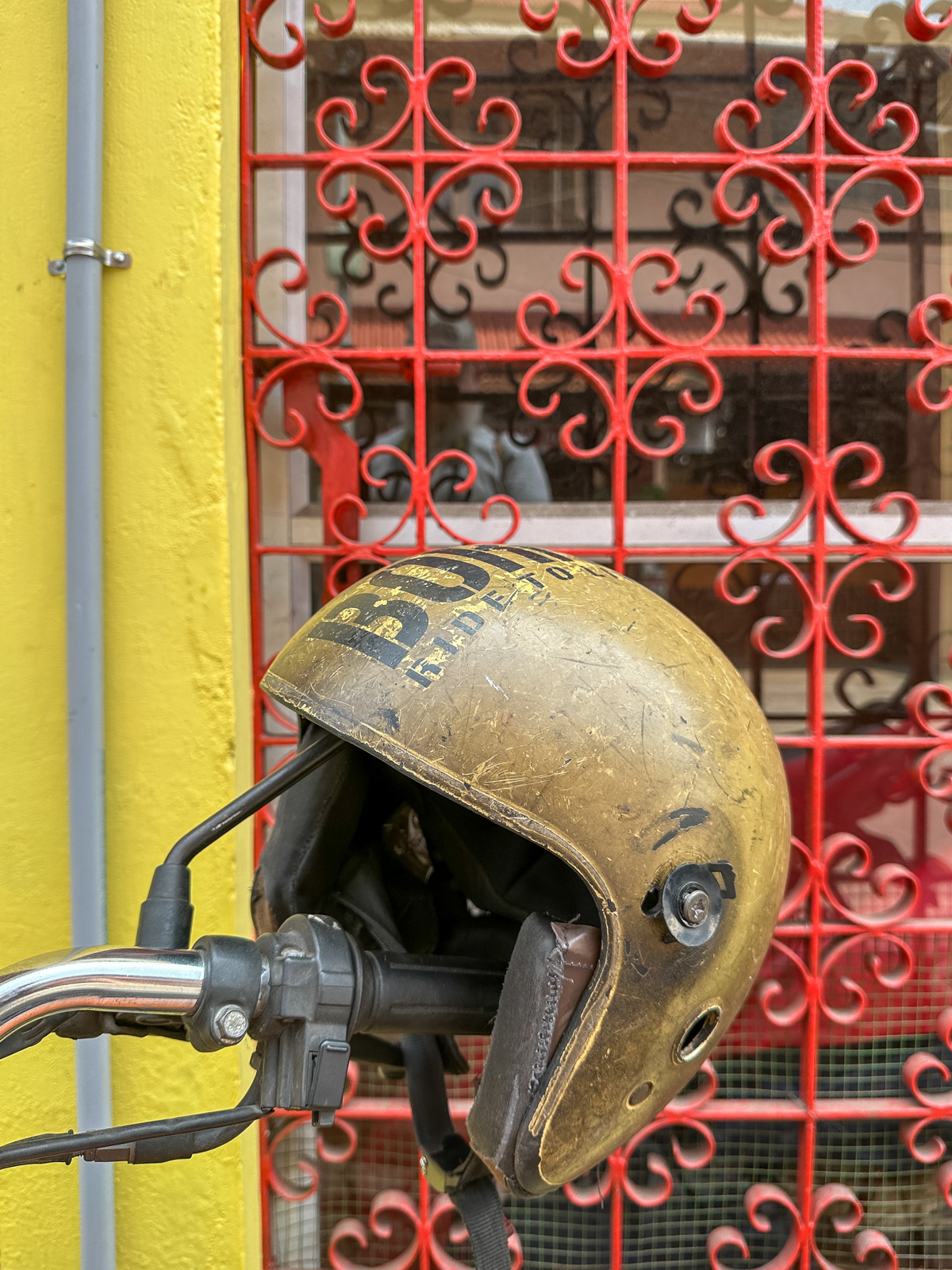
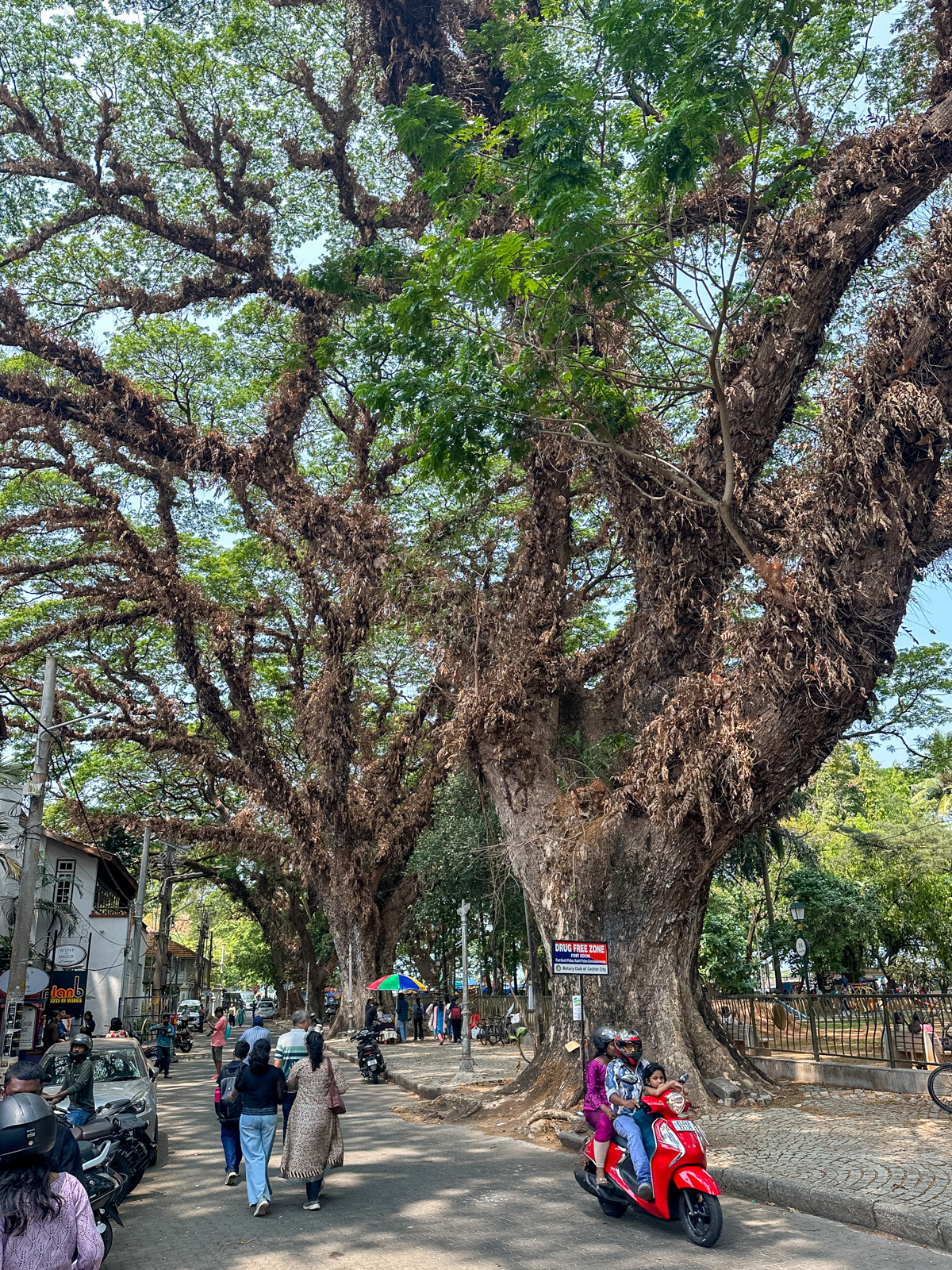
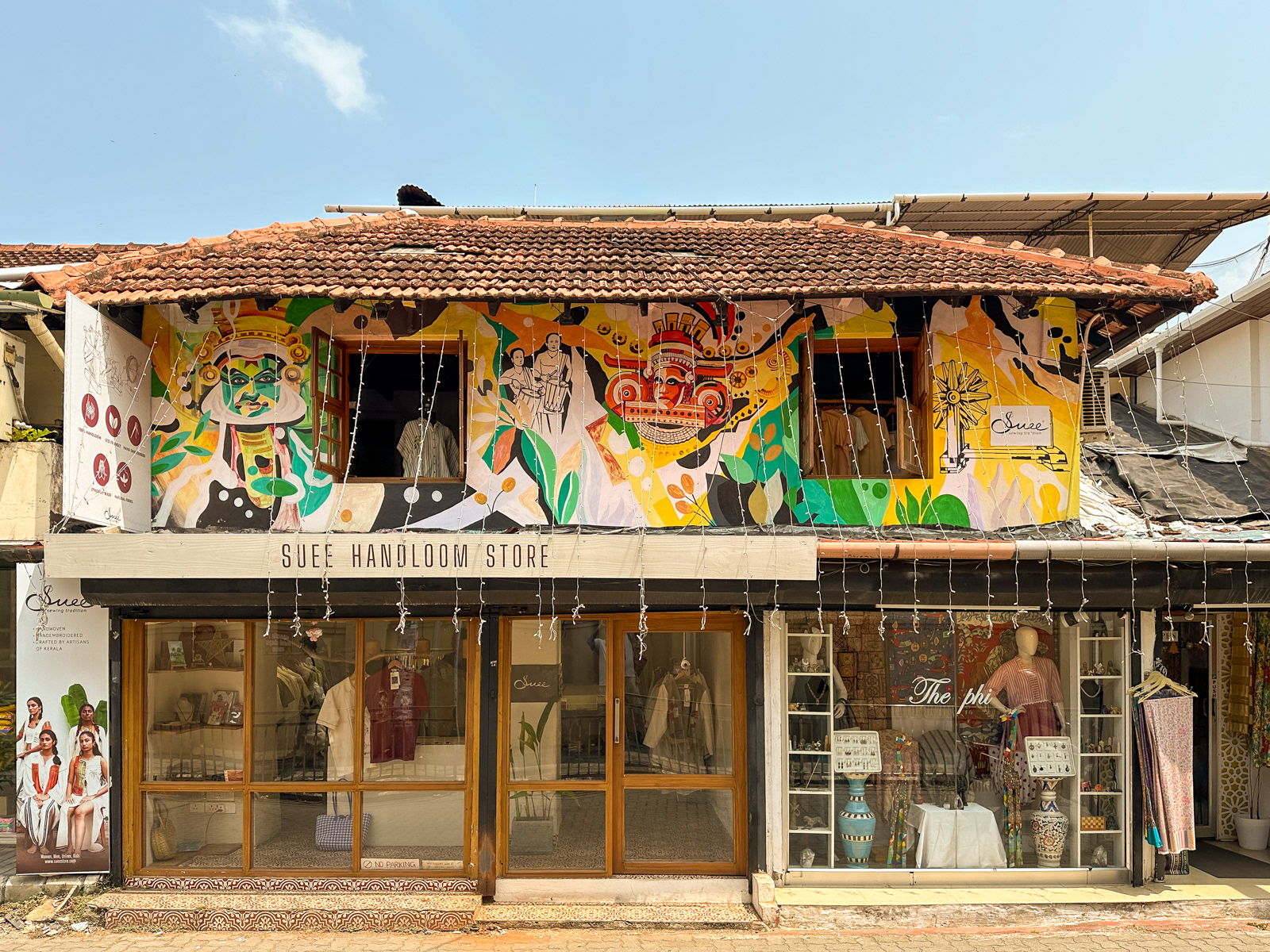
Fort Kochi is a riot of colour, with painted shop fronts, murals and buses all challenging vibrancy the myriad of flowers and bougainvillea. The quarter’s architecture is a mixture of Portuguese, Dutch and British influences, with low traditional two storey houses being prevalent, giving the place a distinctive European feel.
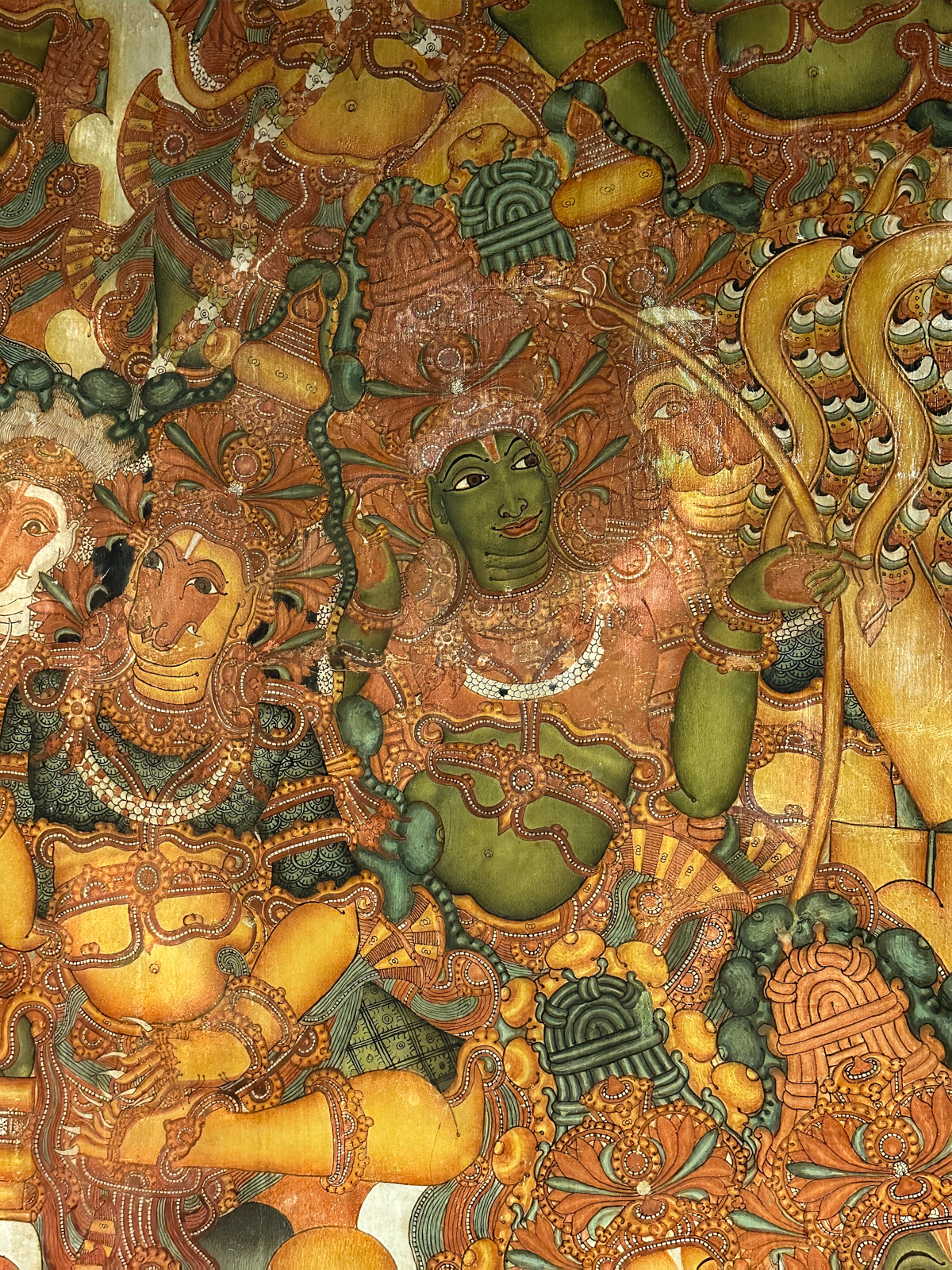
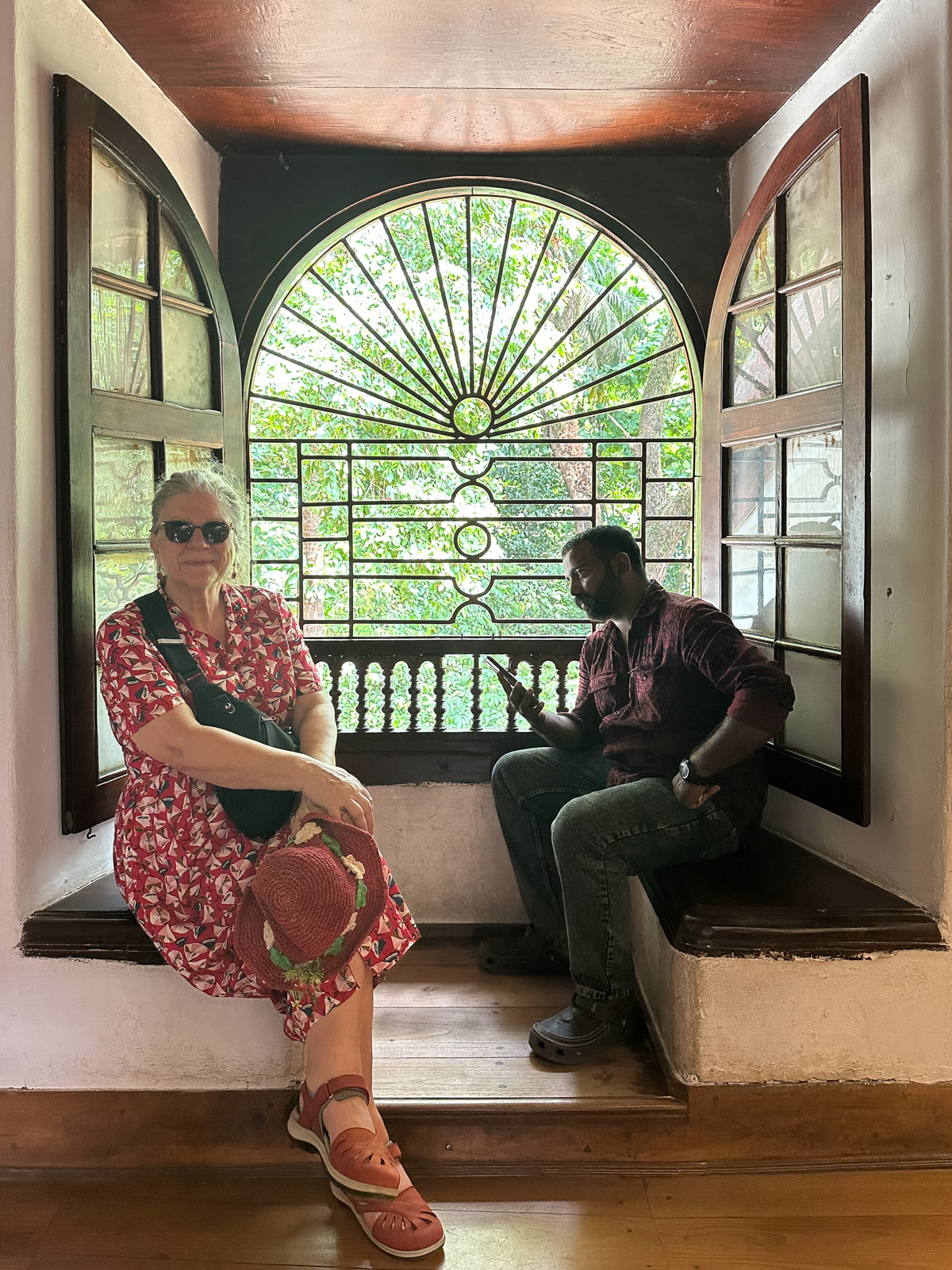
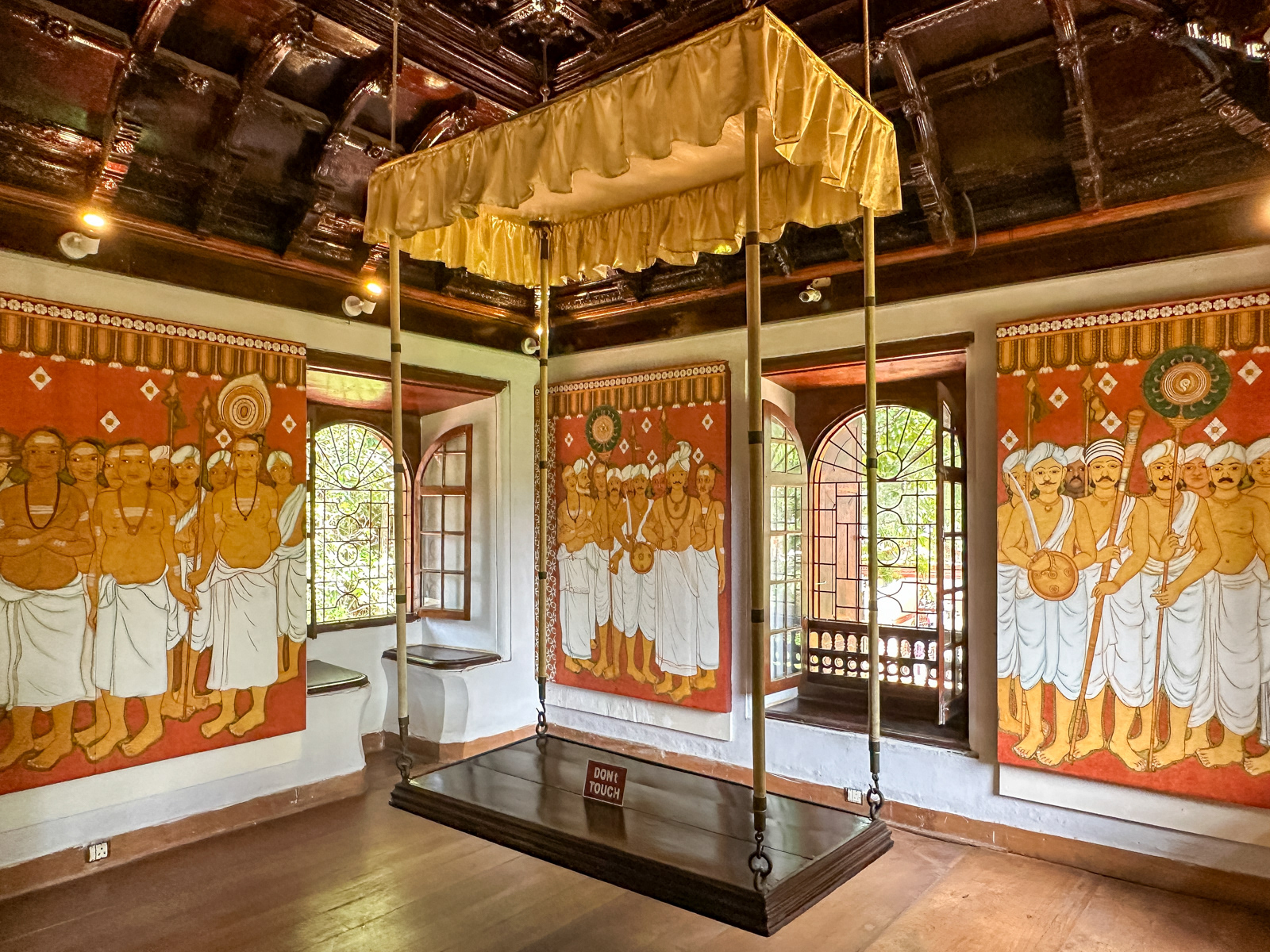
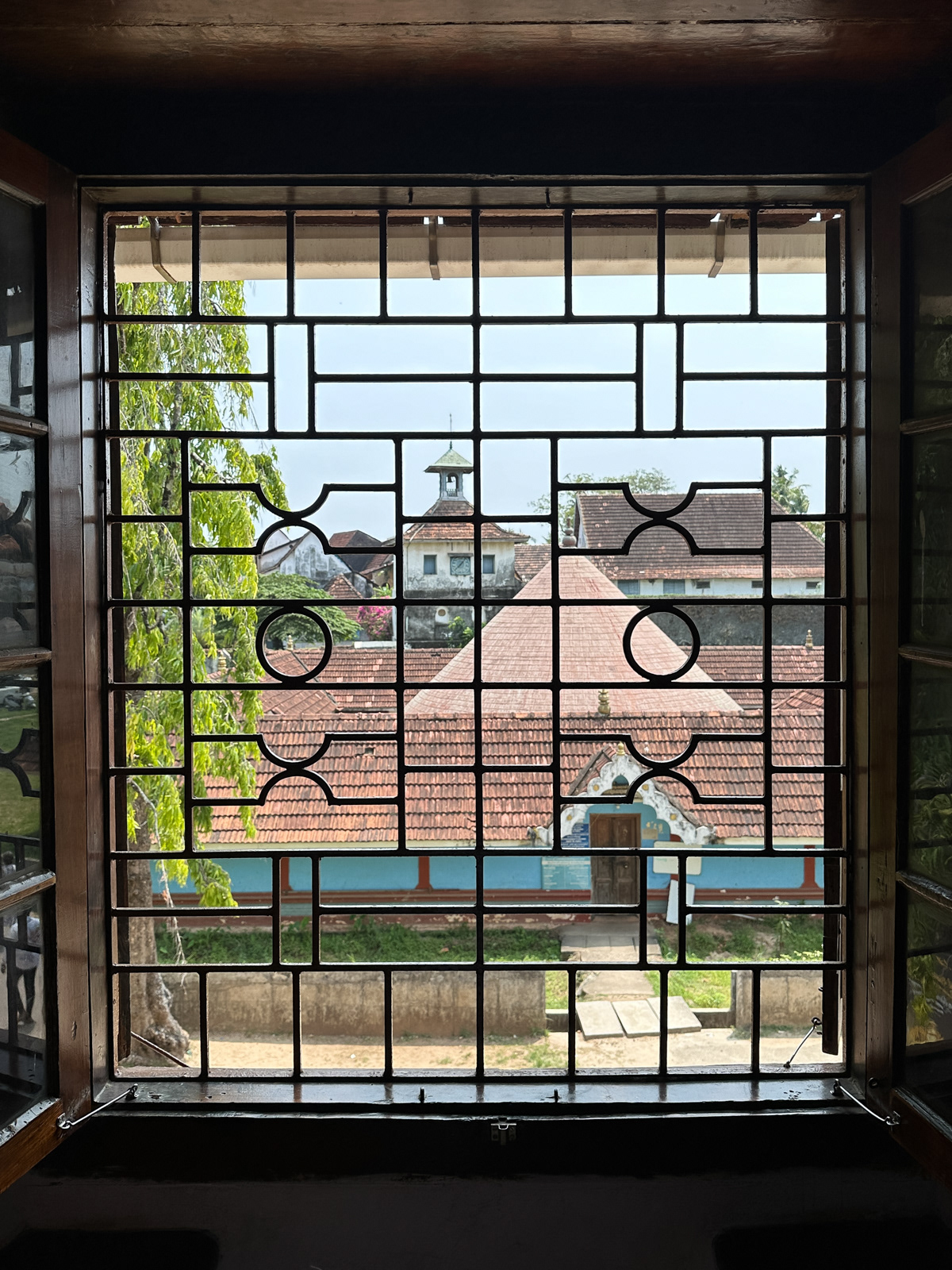
The Mattancherry Palace was originally a generous gift presented to the Raja of Kochi, Veera Kerala Varma as a gesture of goodwill by the Portuguese in 1555. The building, also known as the Dutch Palace, combines both European and Keralan architectural styles.
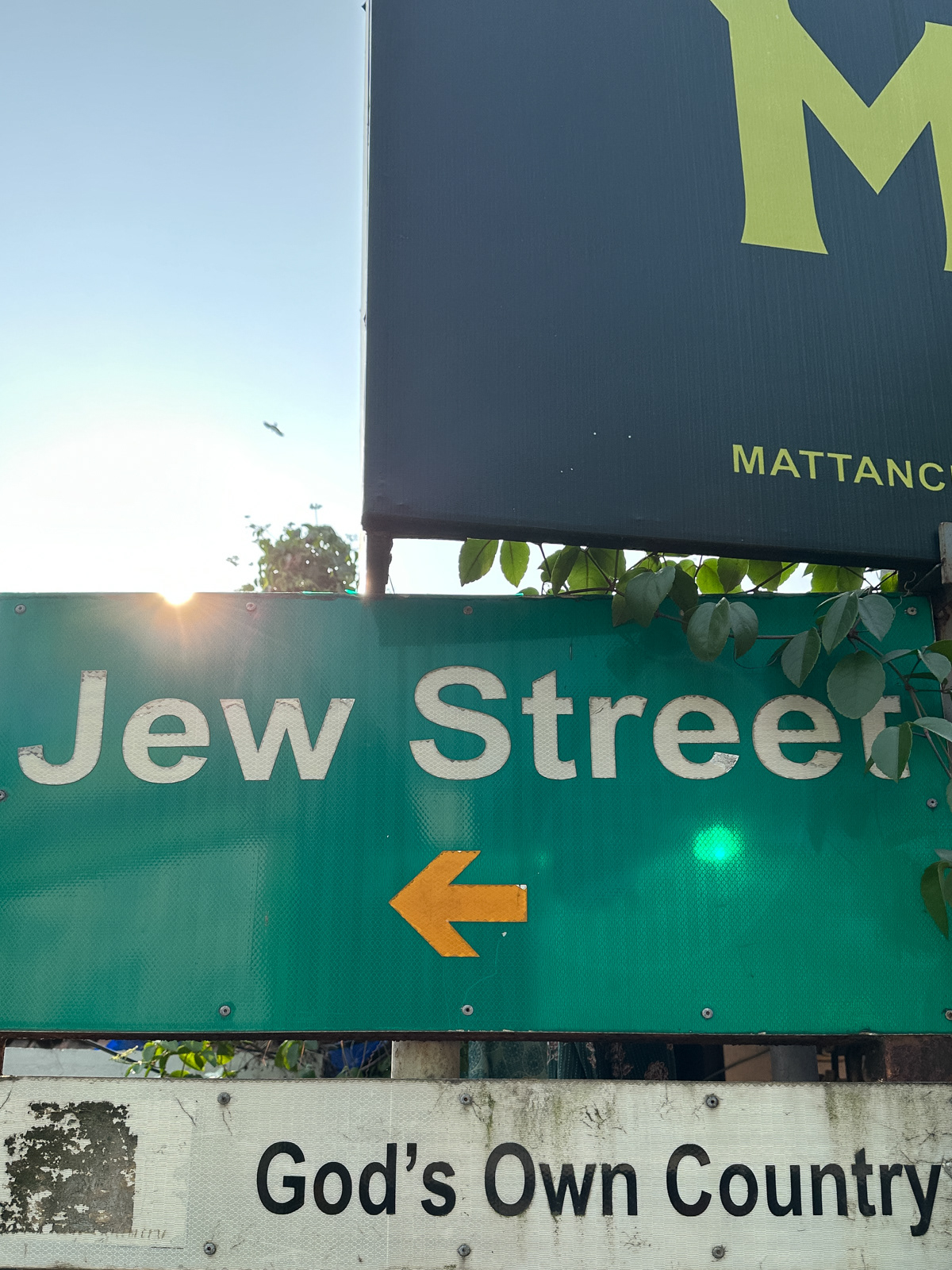
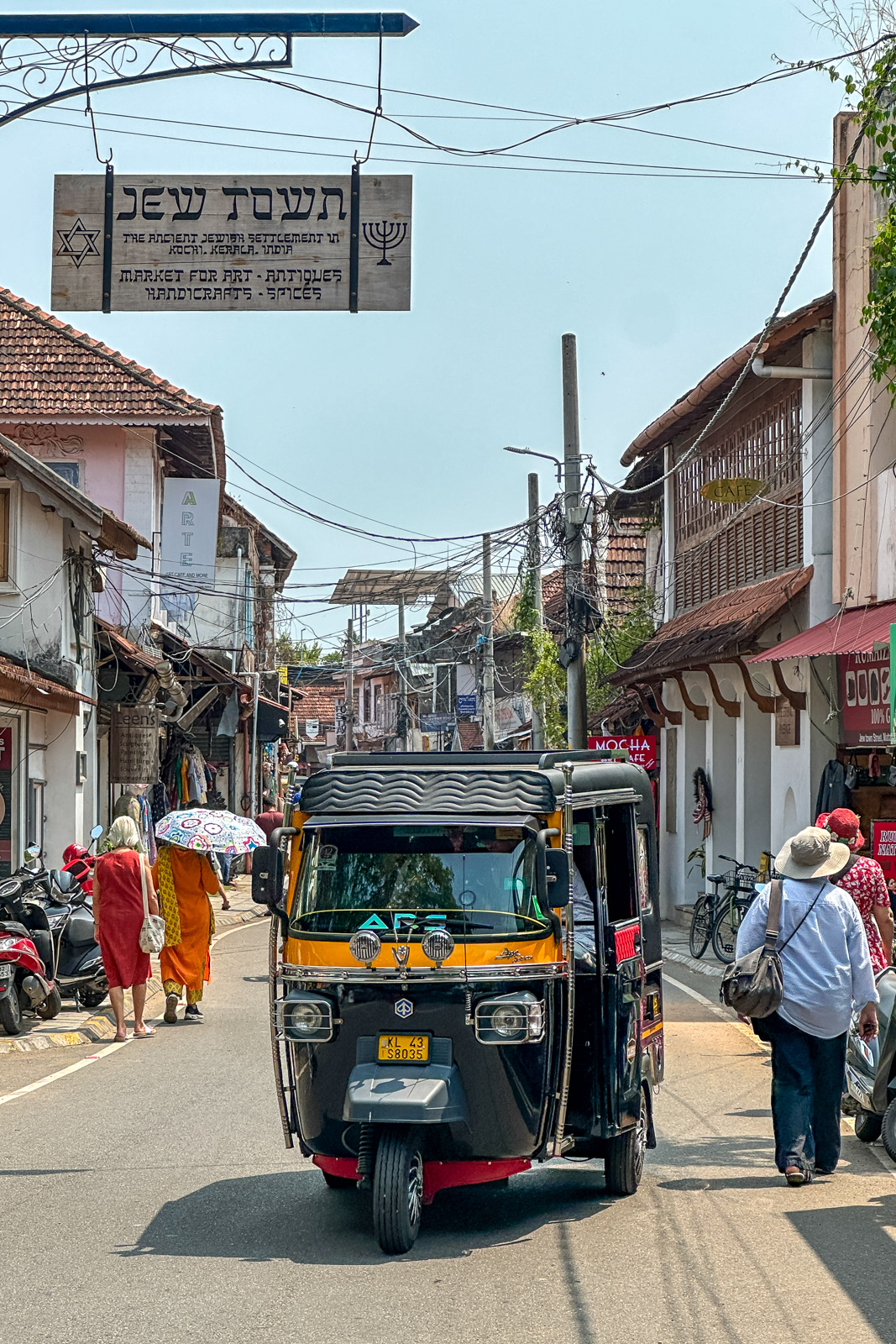
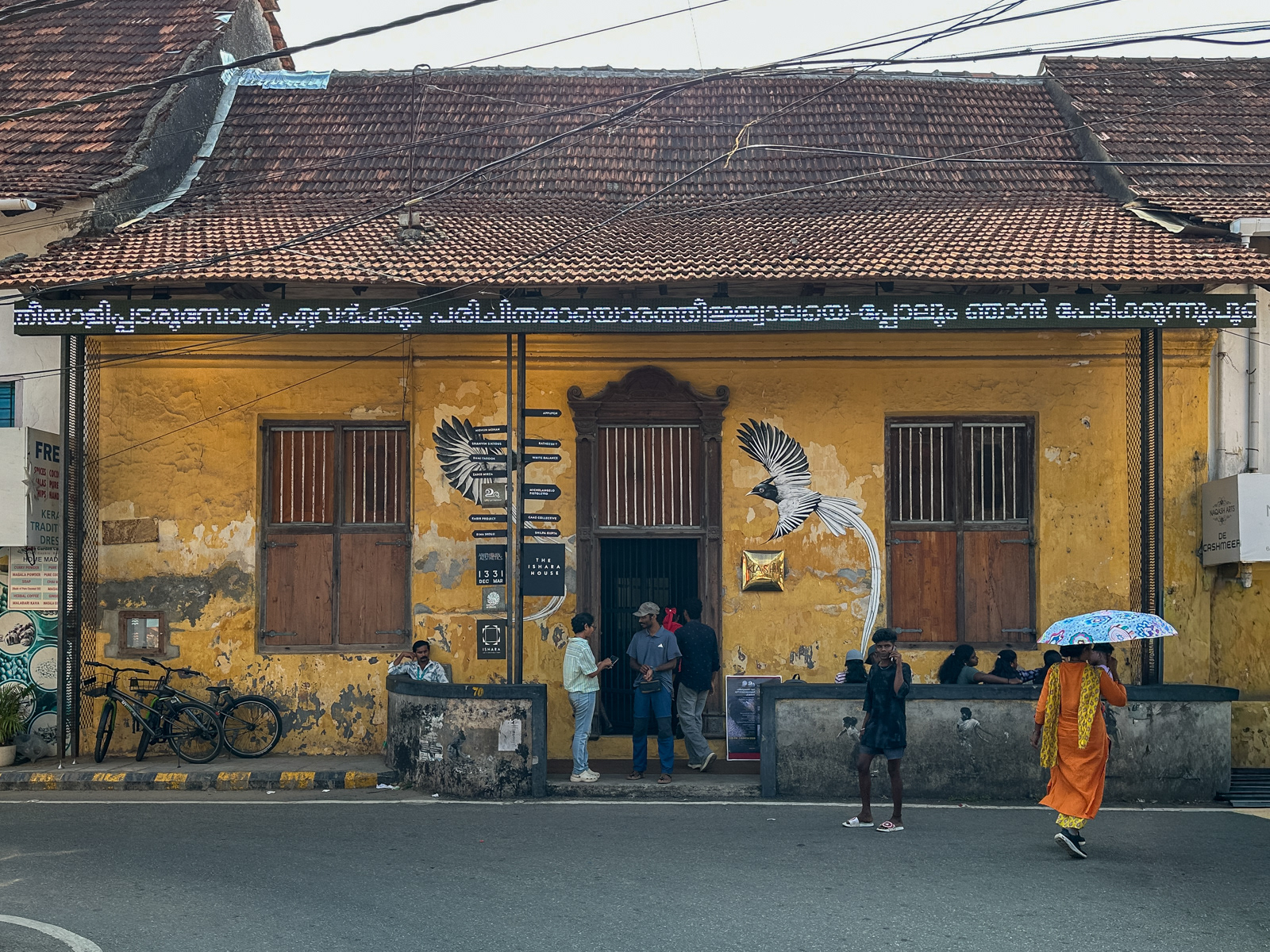
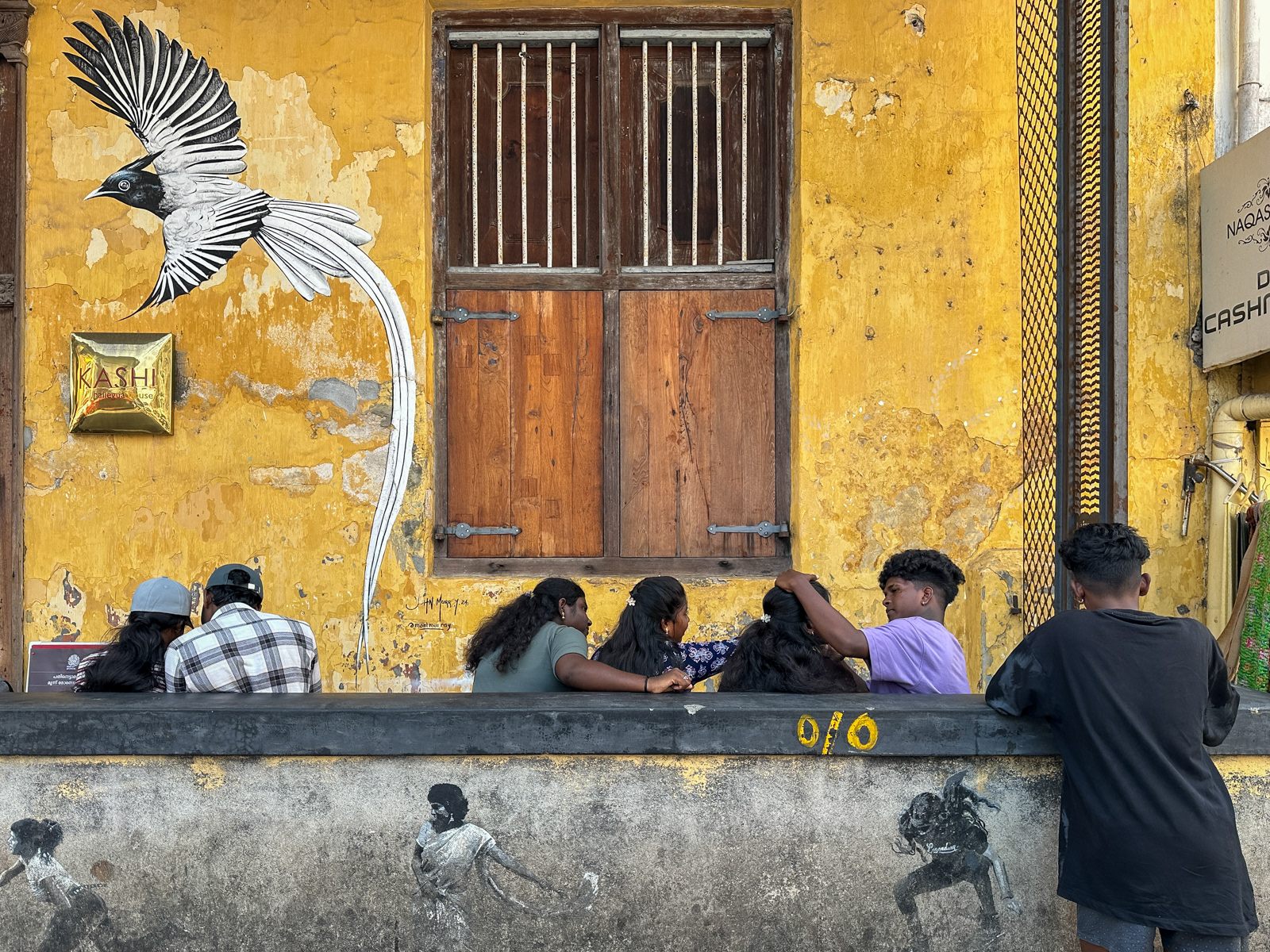
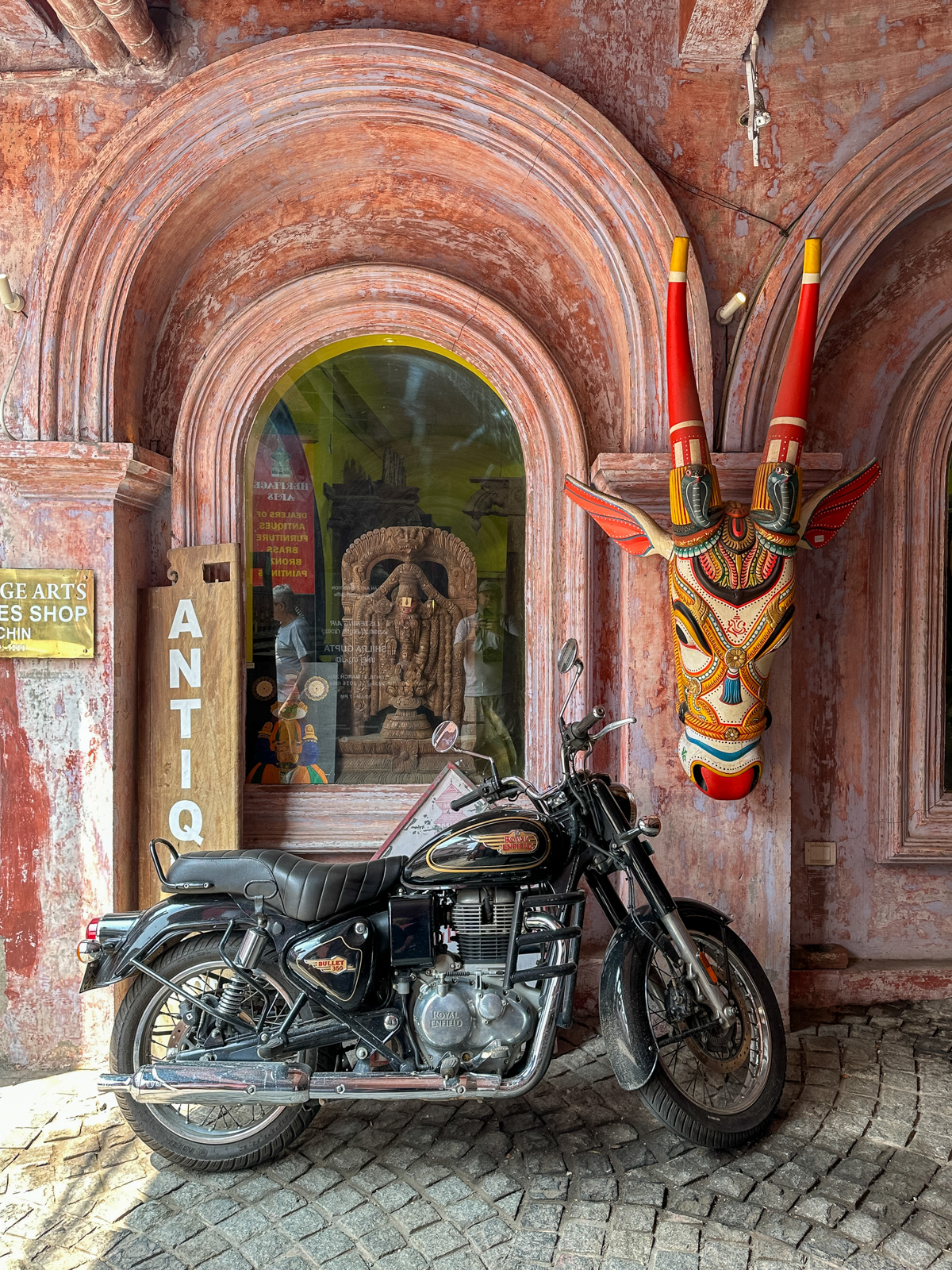
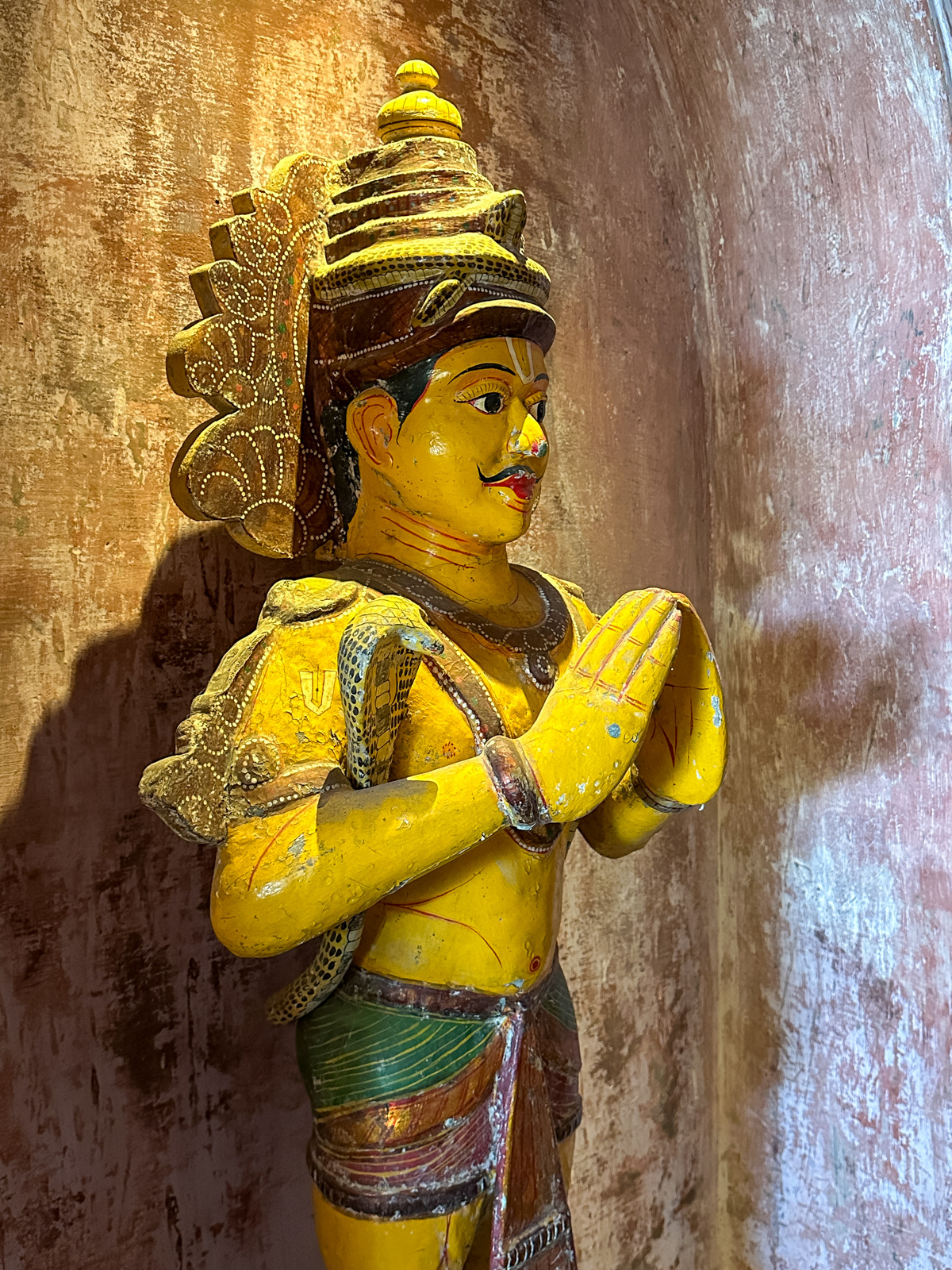
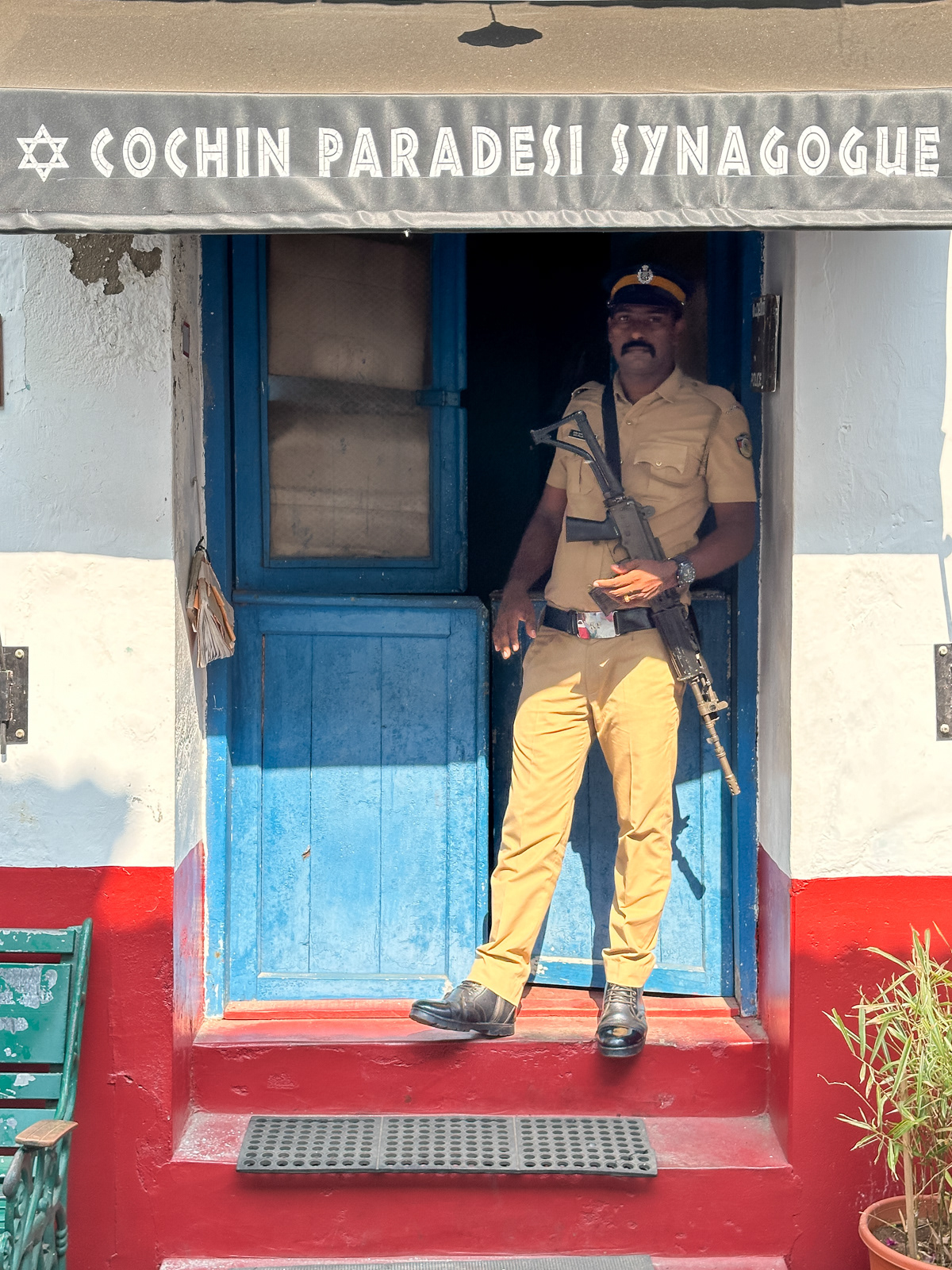
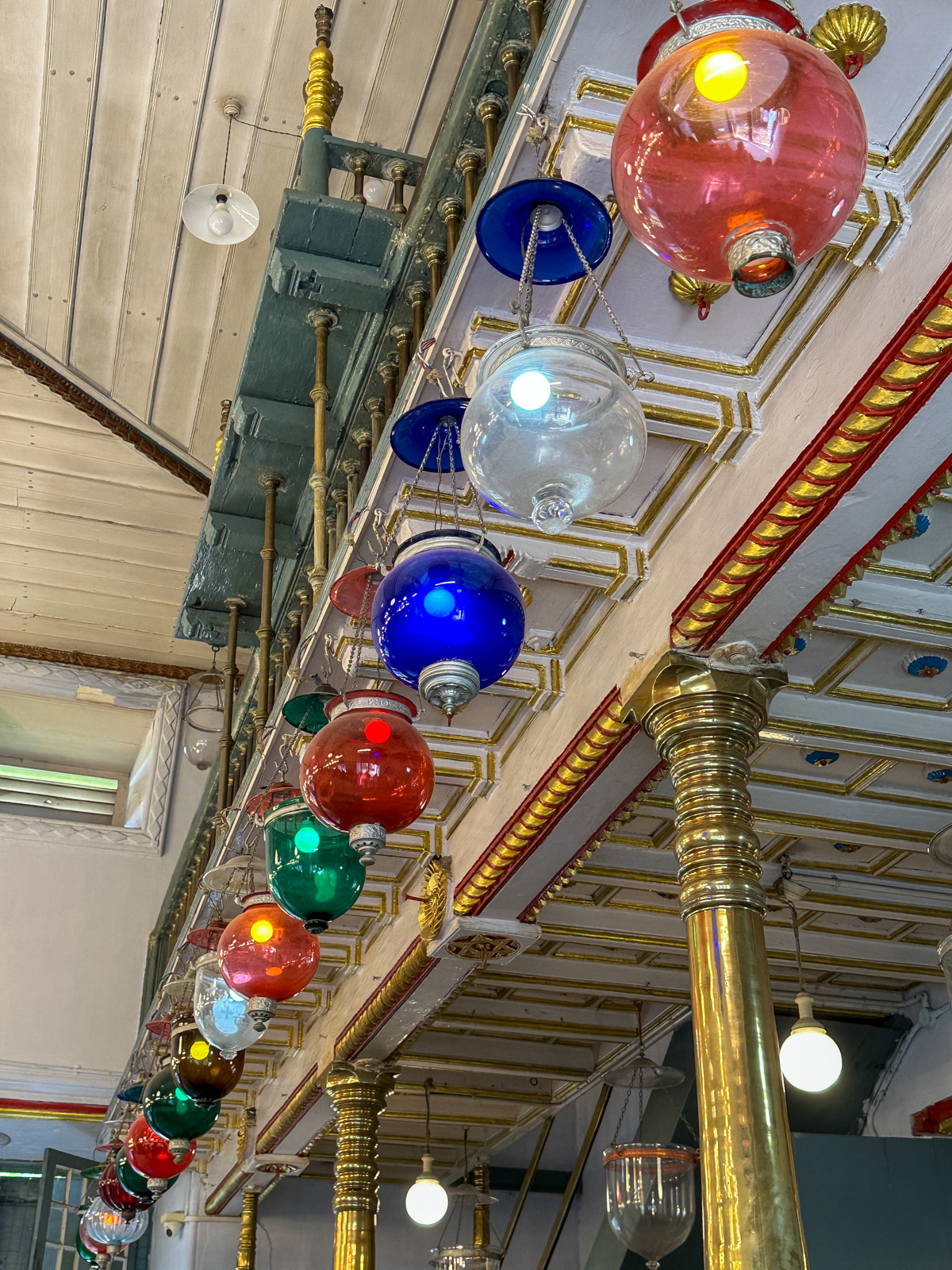
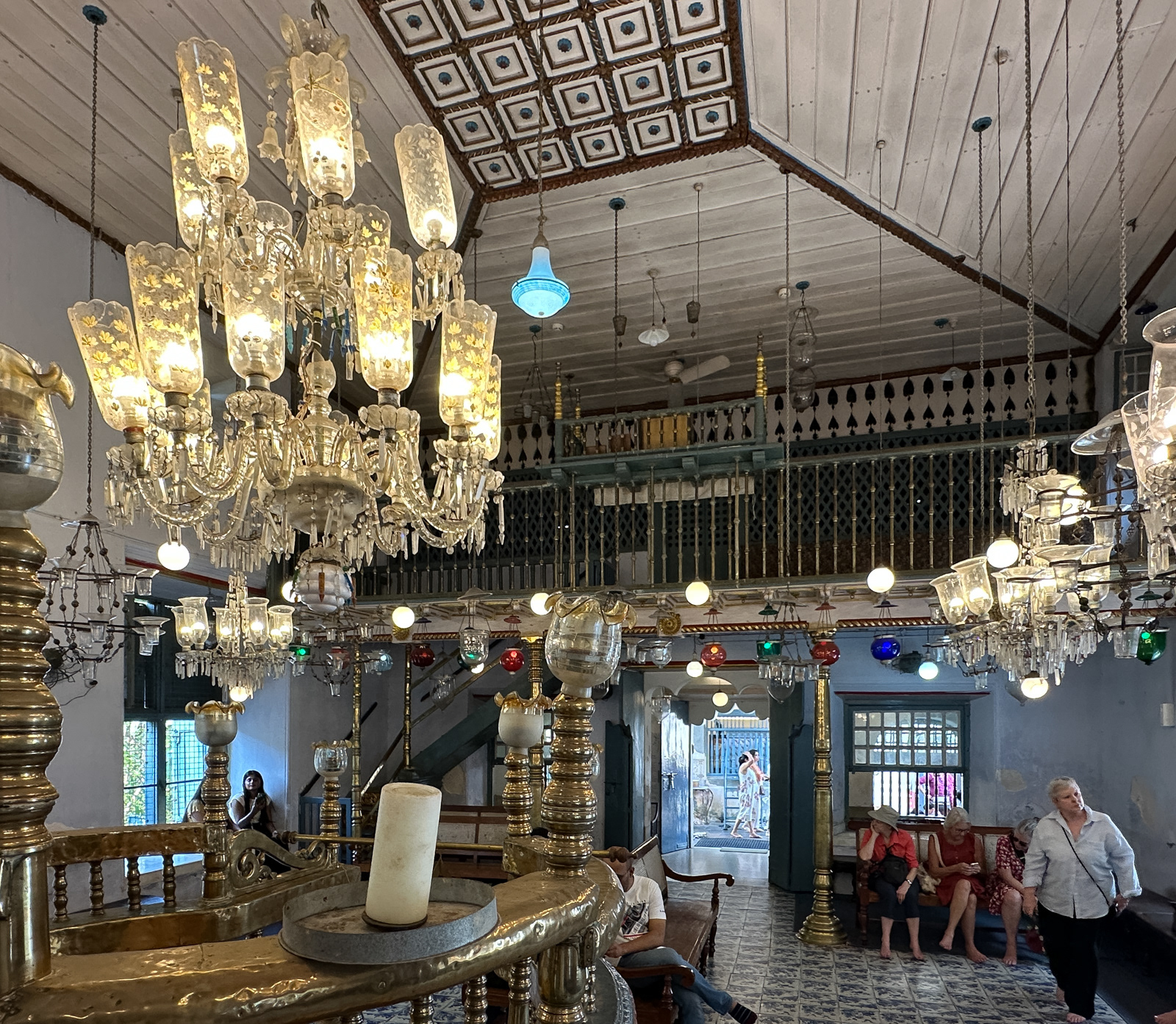
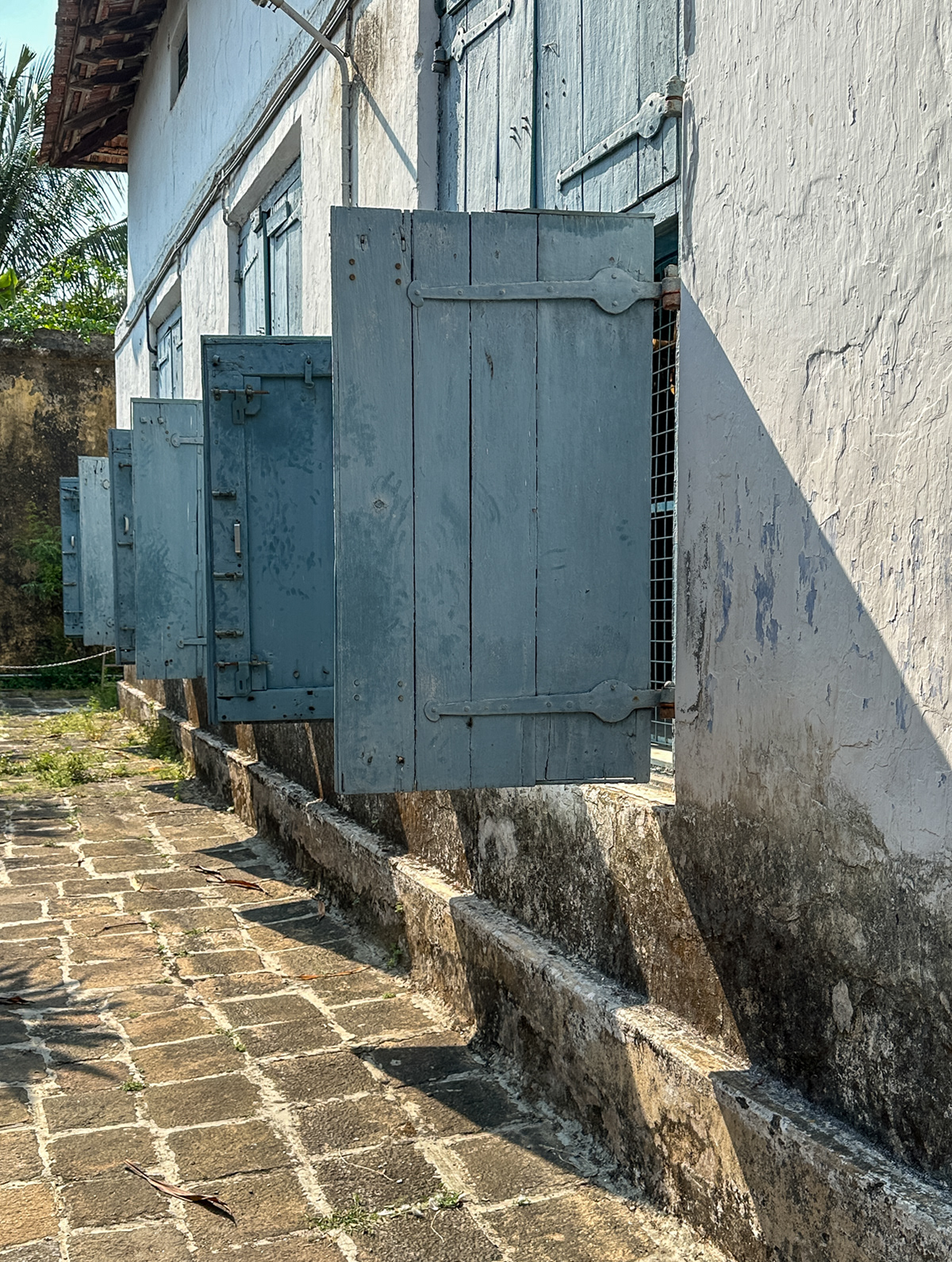
Many cities have a Jewish quarter but few have an actual Jew Town. The Jewish settlement in Kochi is thought to be one of the oldest Jewish groups in India, with it mentioned by Benjamin of Tudela in the 12th Century, and the community (also known as the Malabar Jews) rumoured to date from the time of King Solomon. The King of Kochi gave a piece of land to the Jews for spice trading.
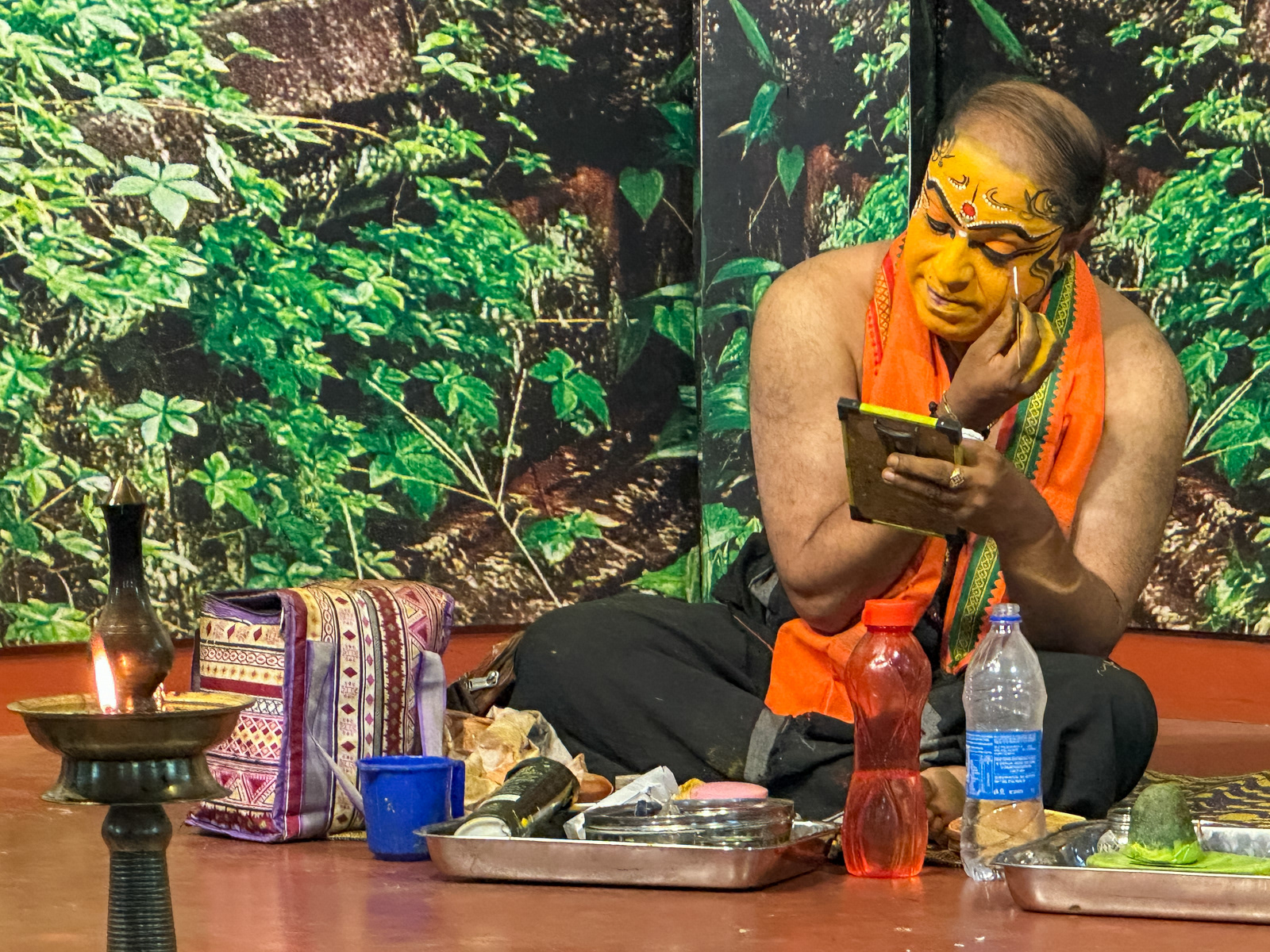
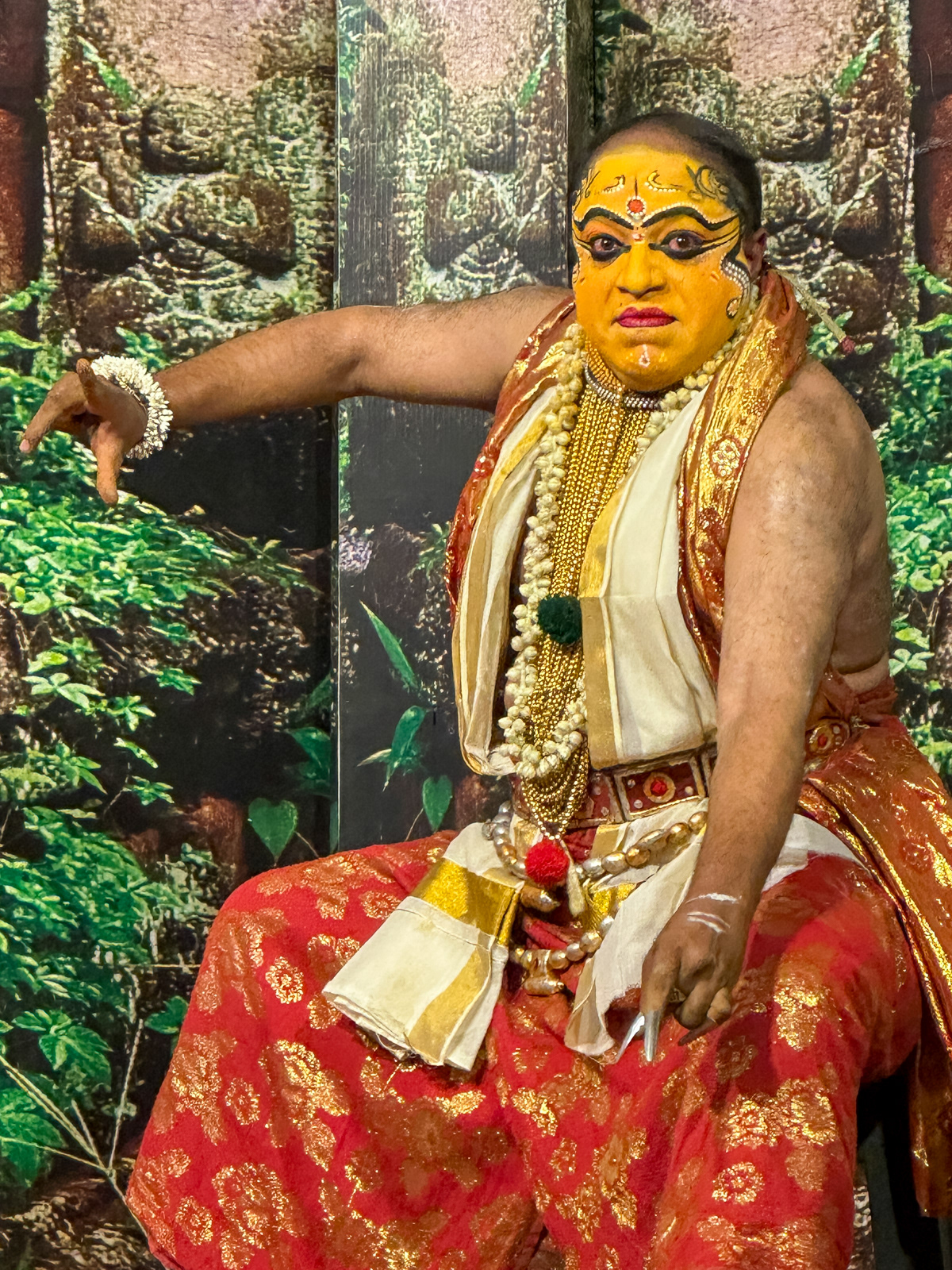
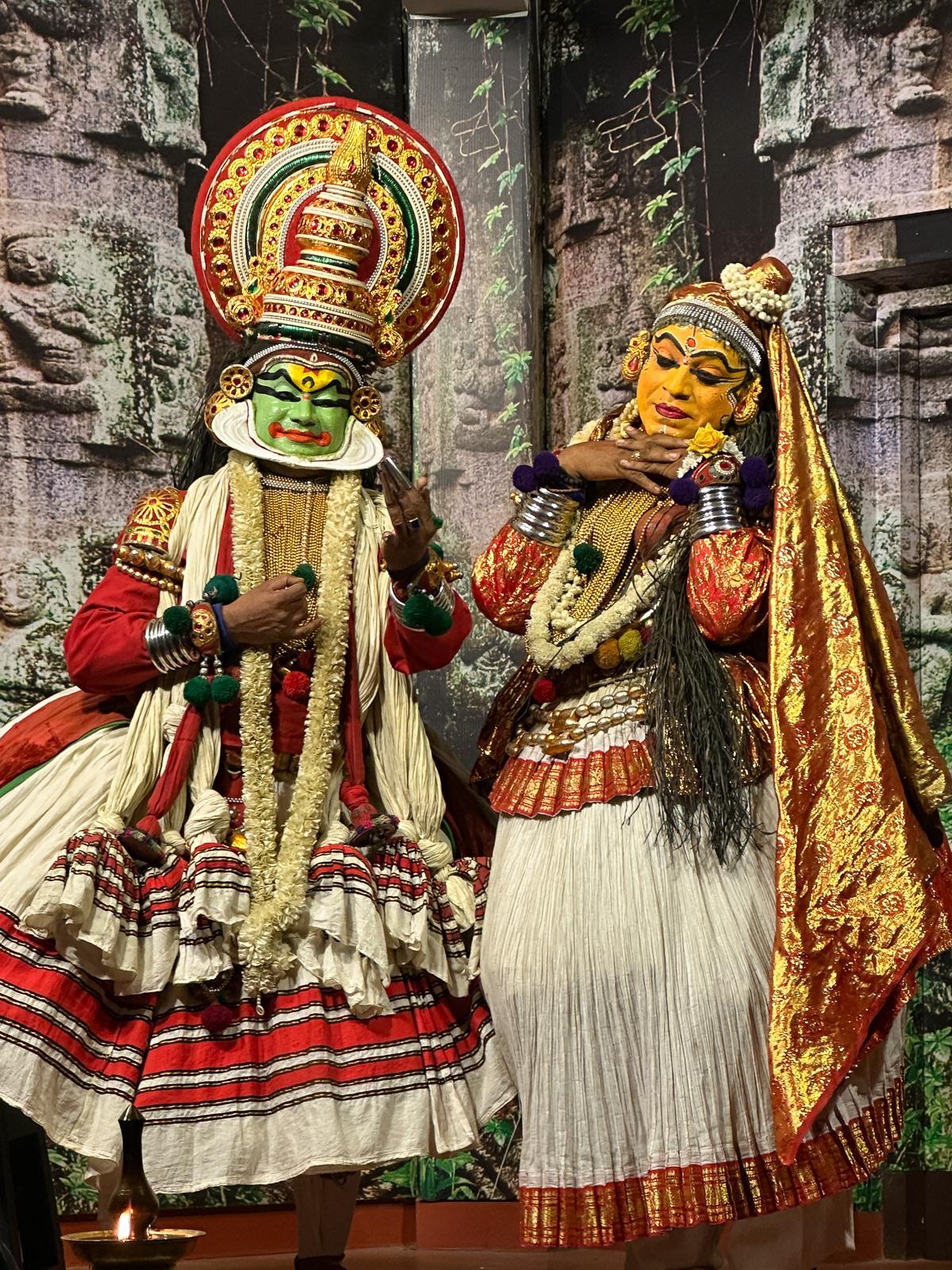
Kathakali is a genre of Indian classical dance, native to Keralam, and is associated with storytelling as an artform. The story in ‘Kathakali’ is communicated to audience through footwork and impressive facial signals accompanied by a live musician. The intricate make-up, unique face masks and costumes worn by dancers are instantly recognisable.
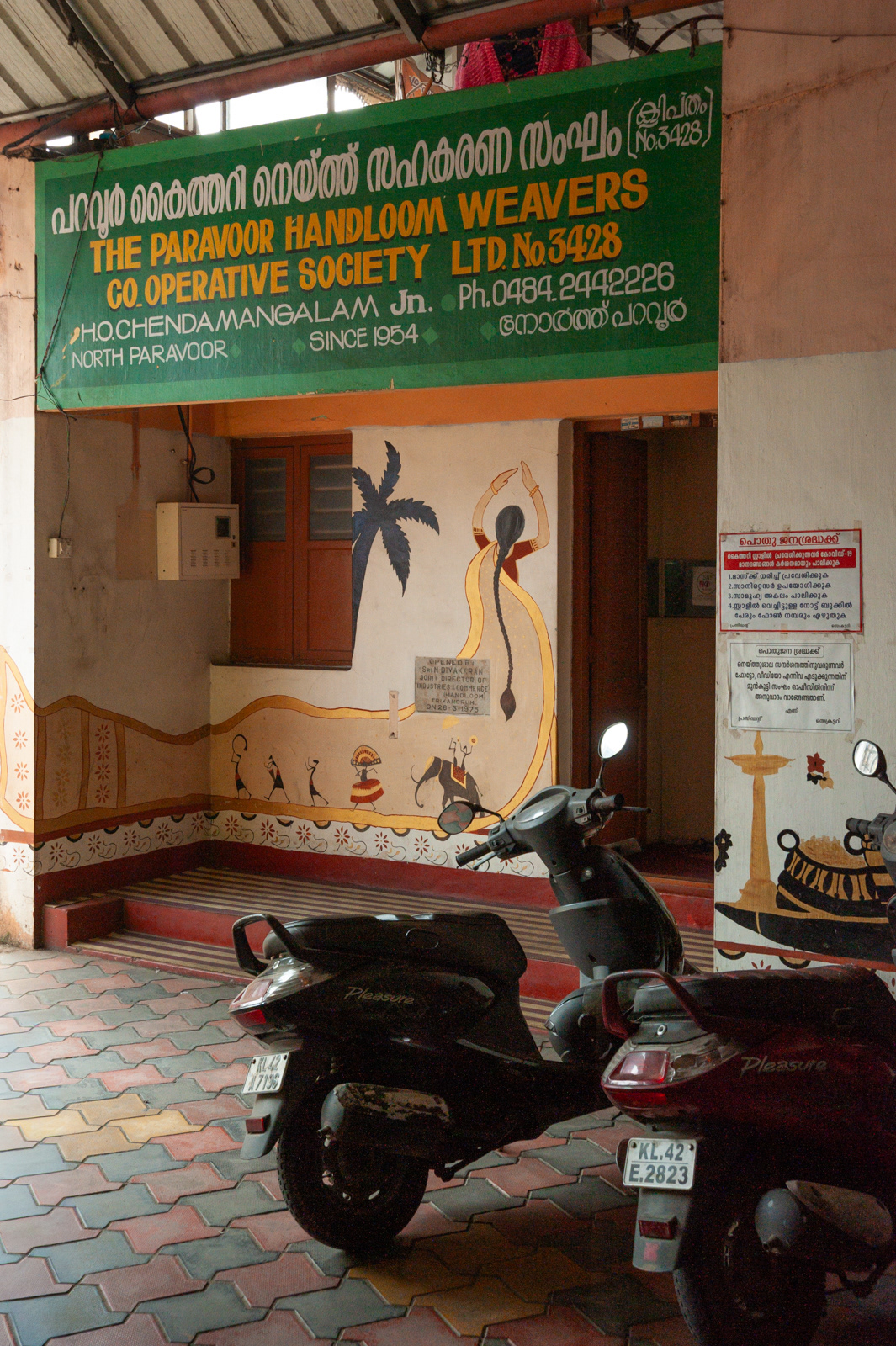
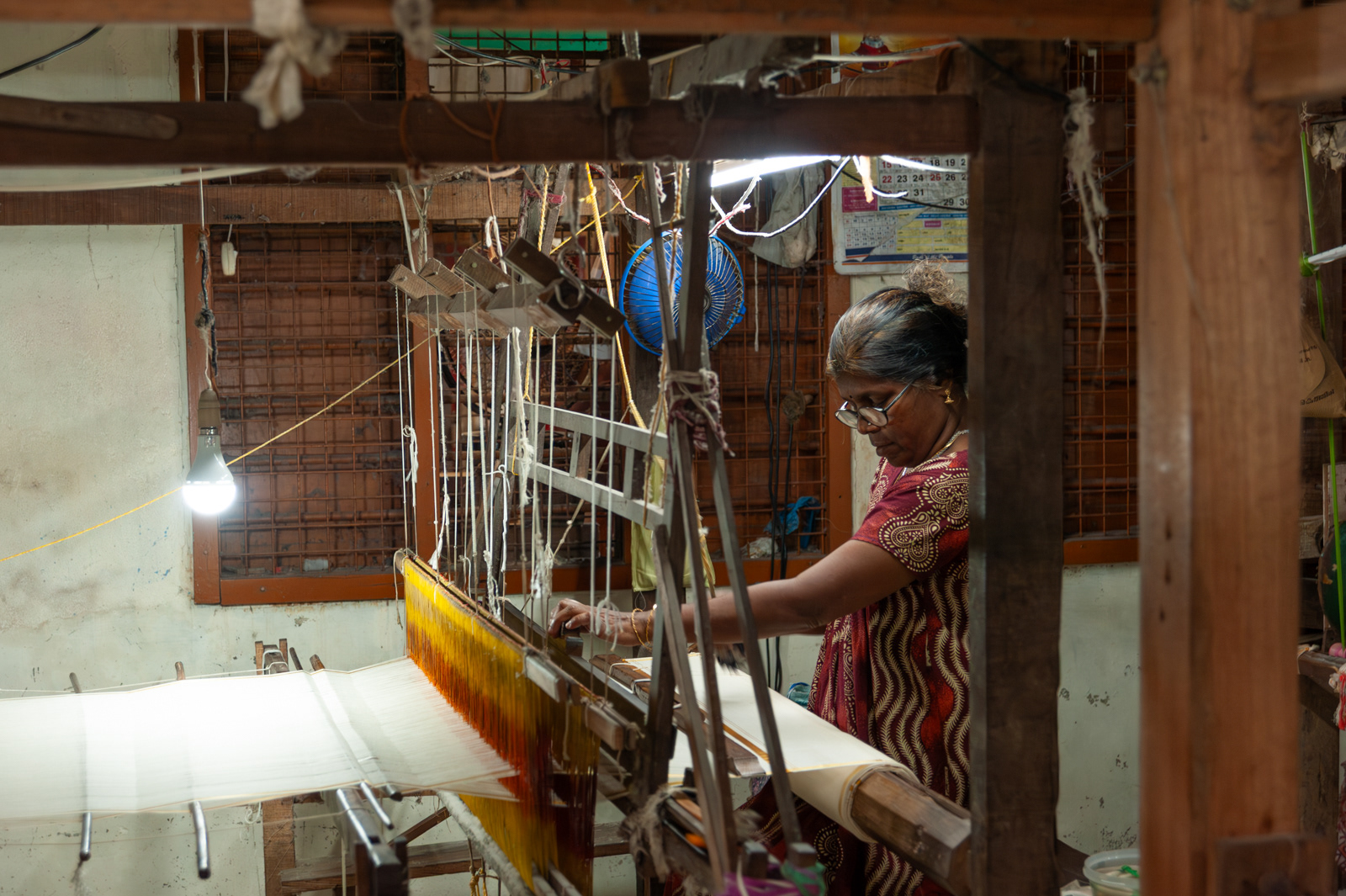
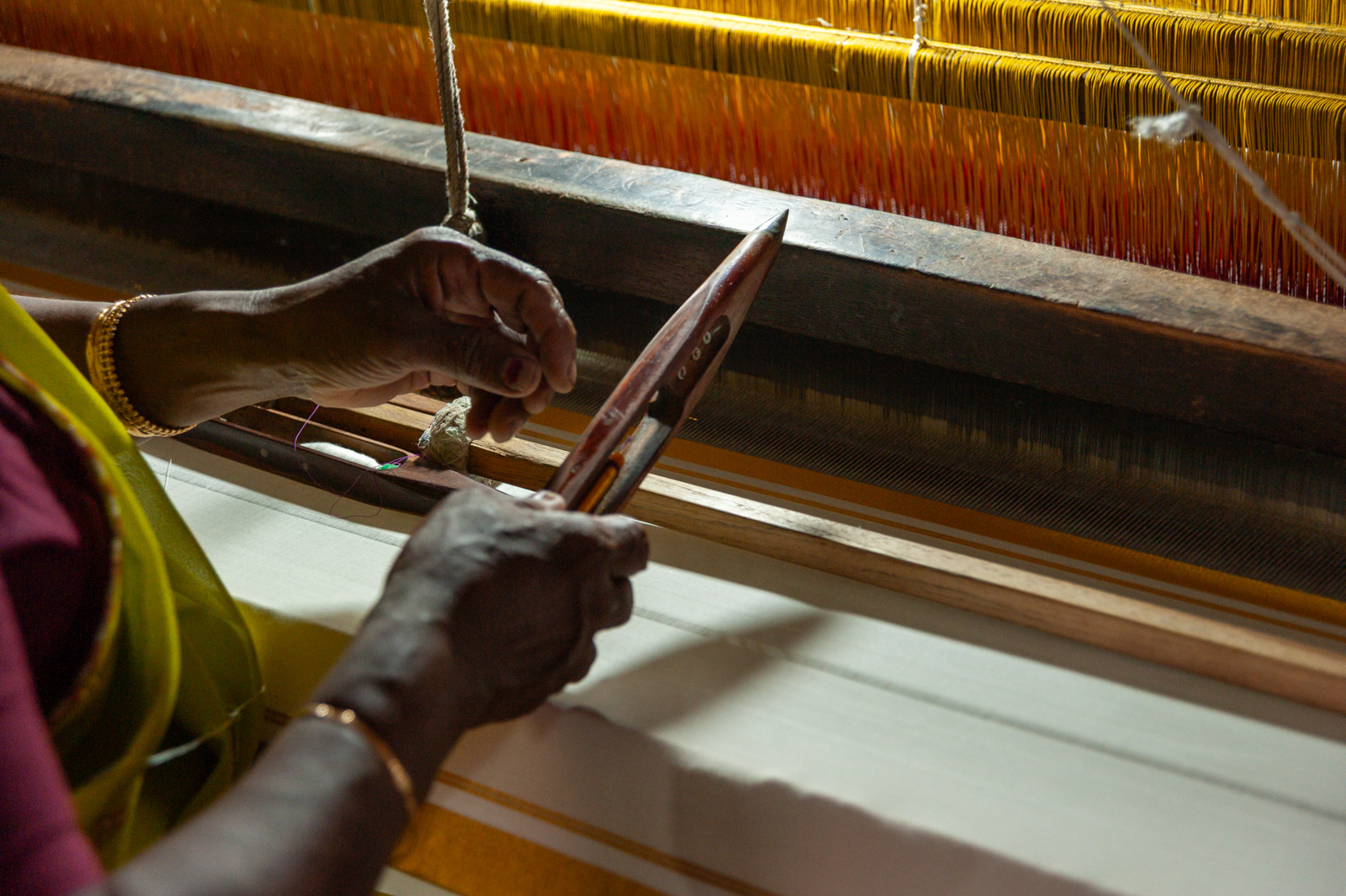
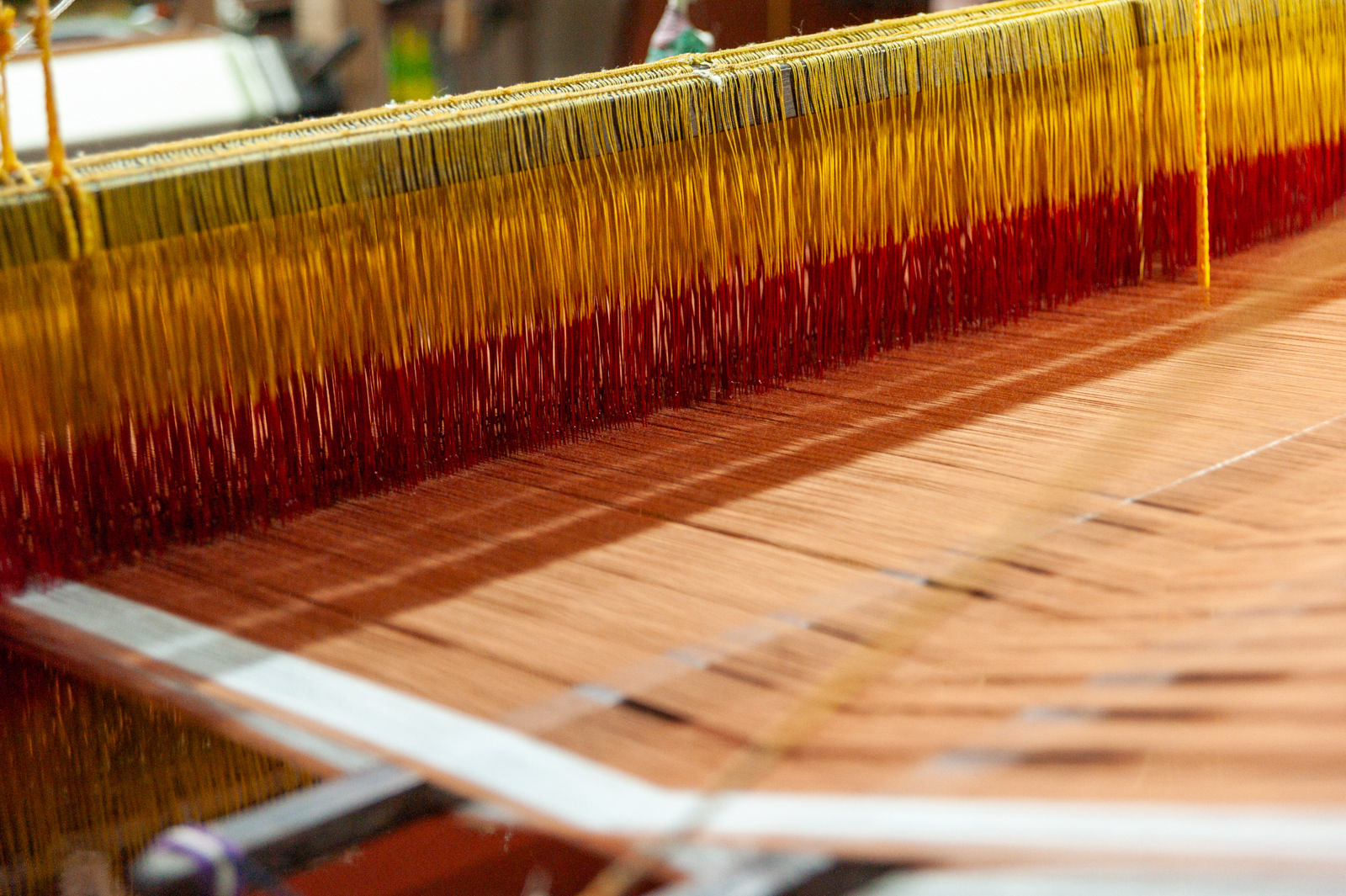
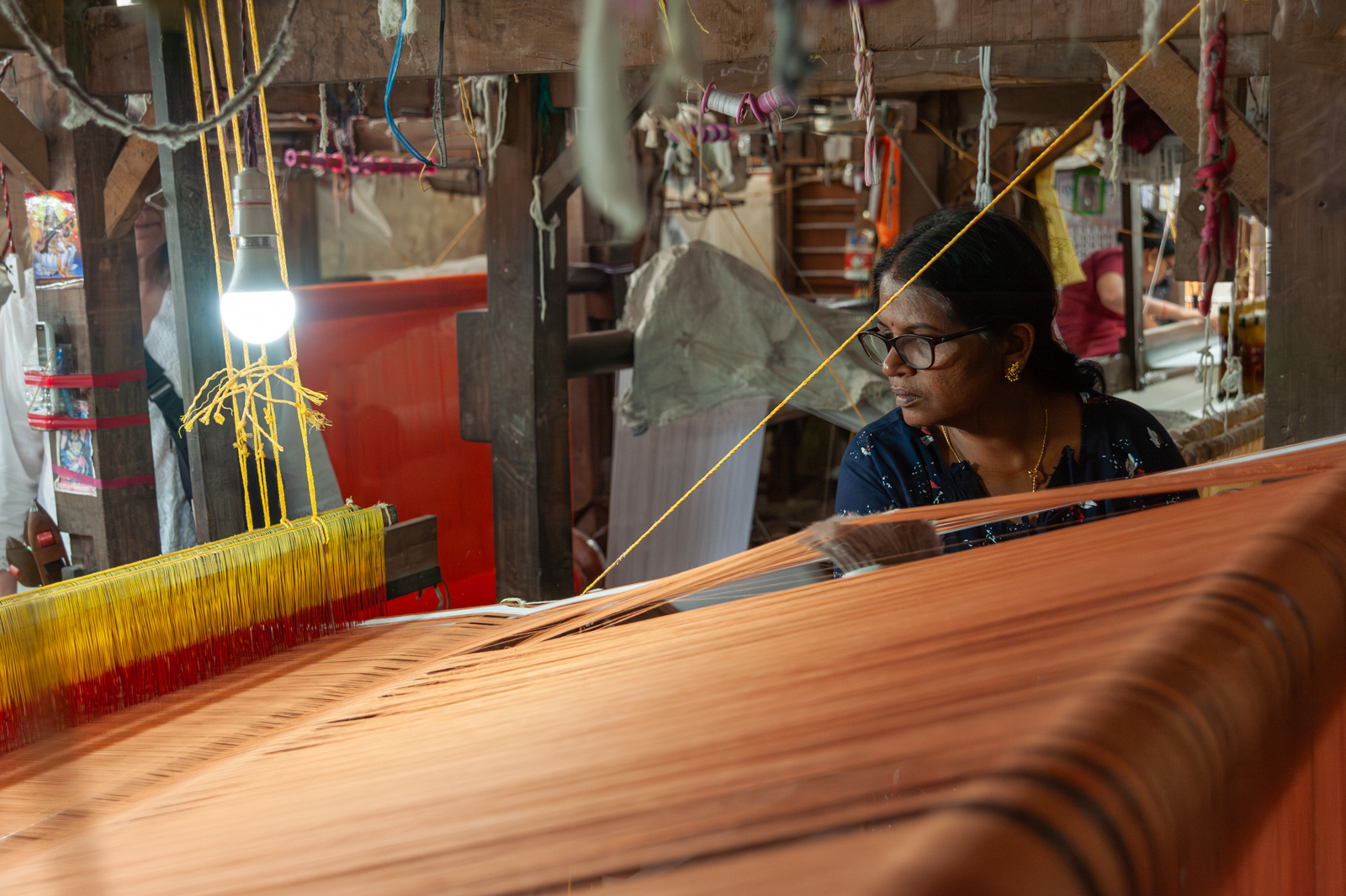
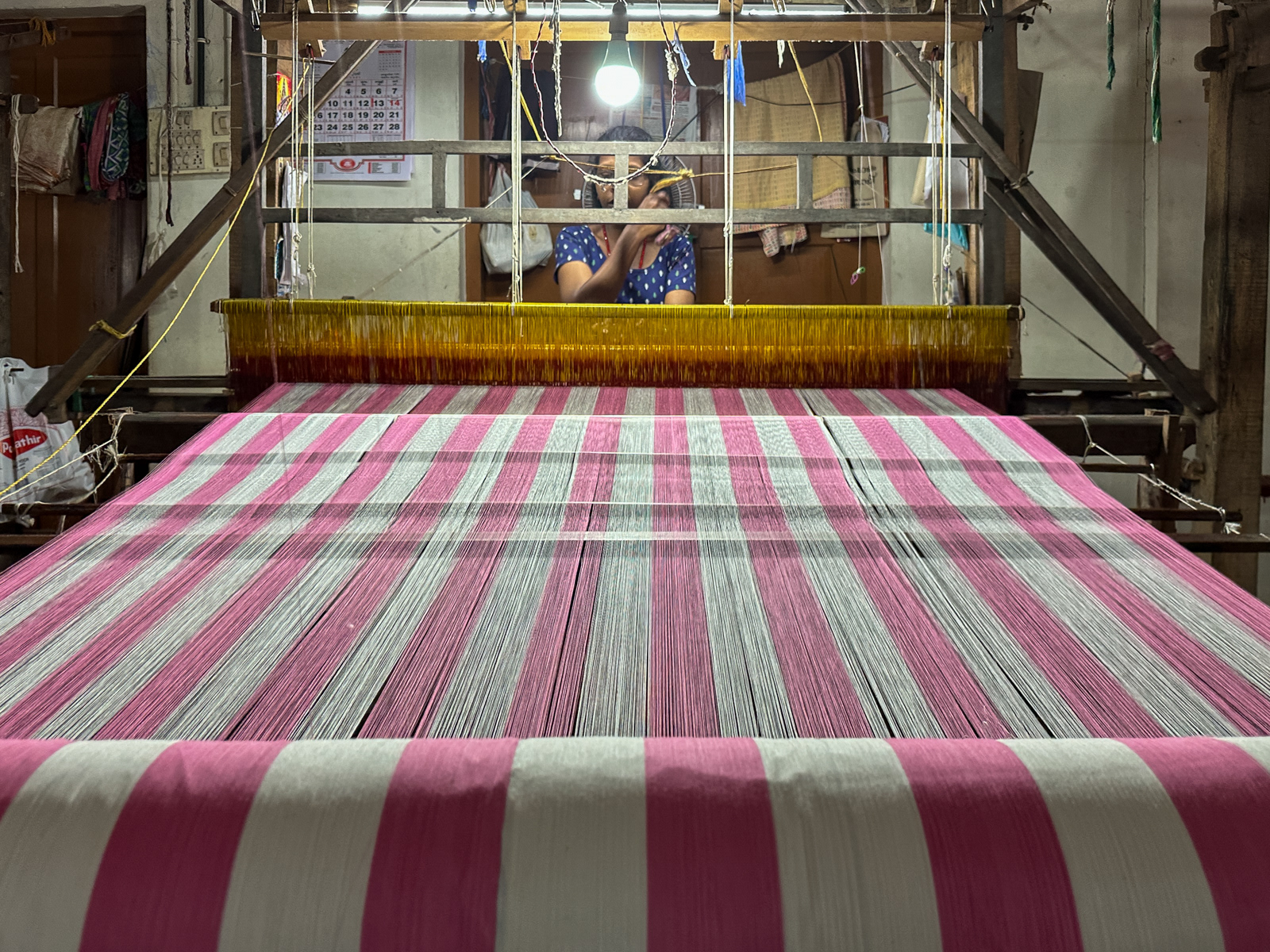
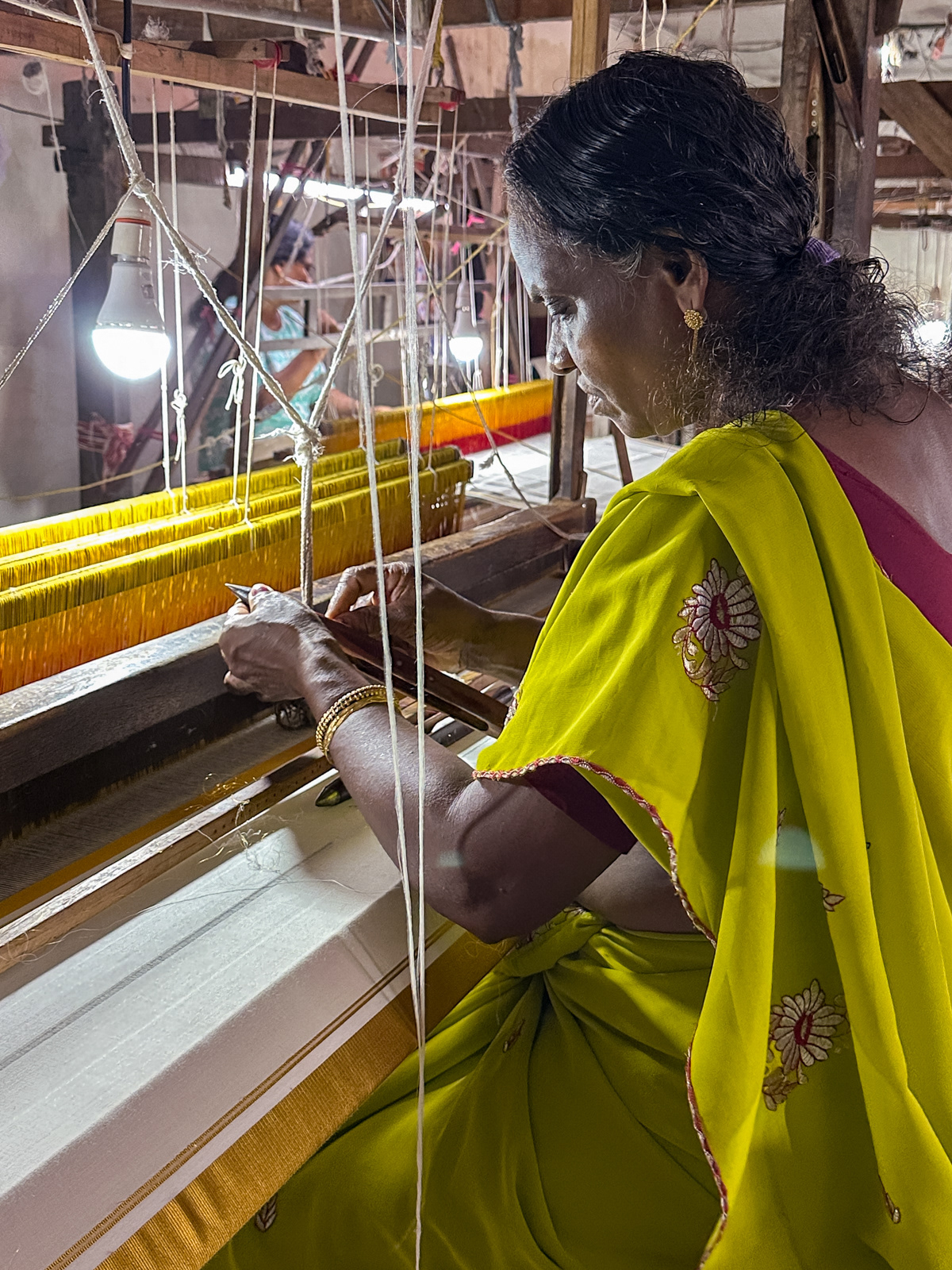
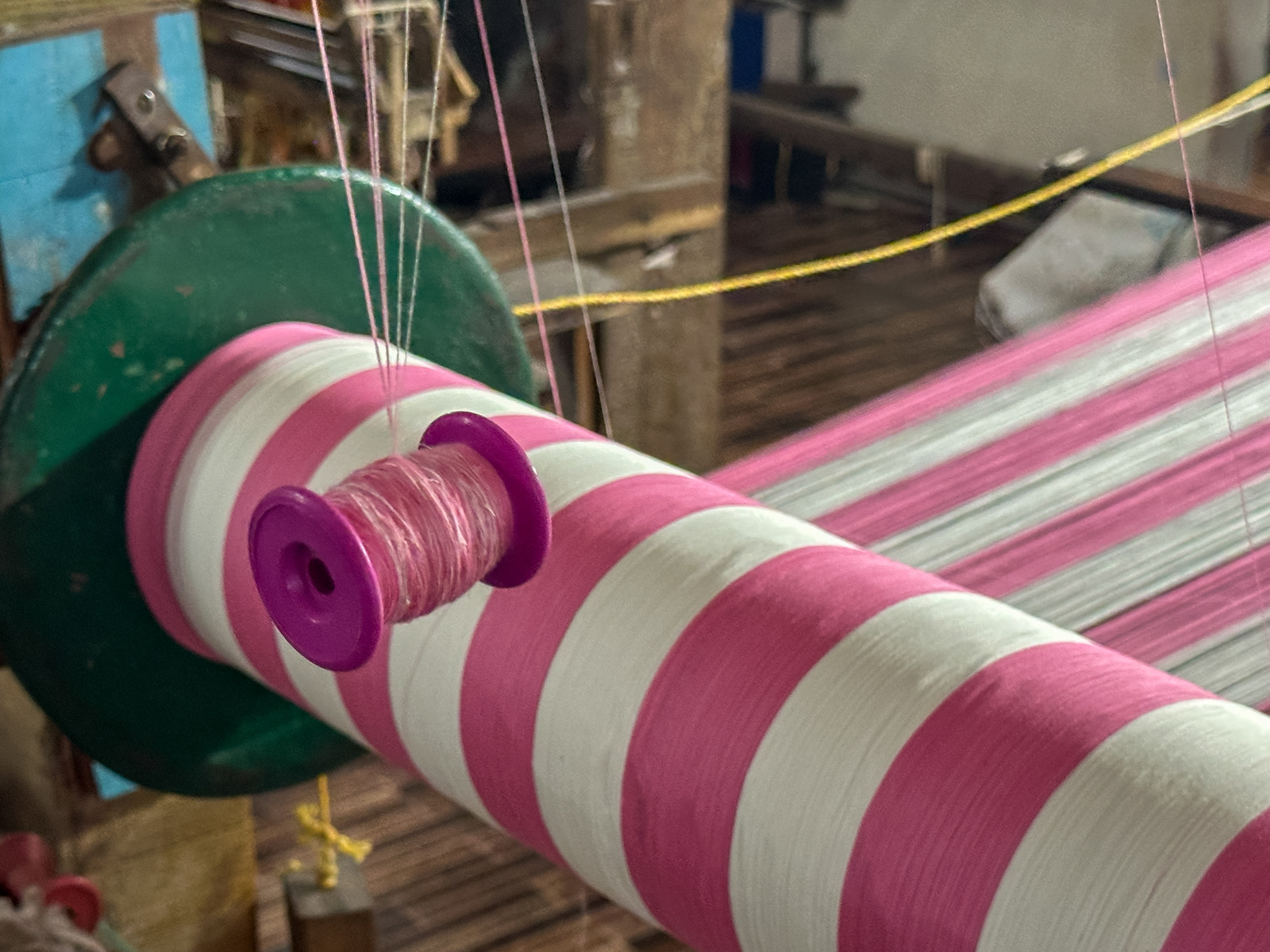
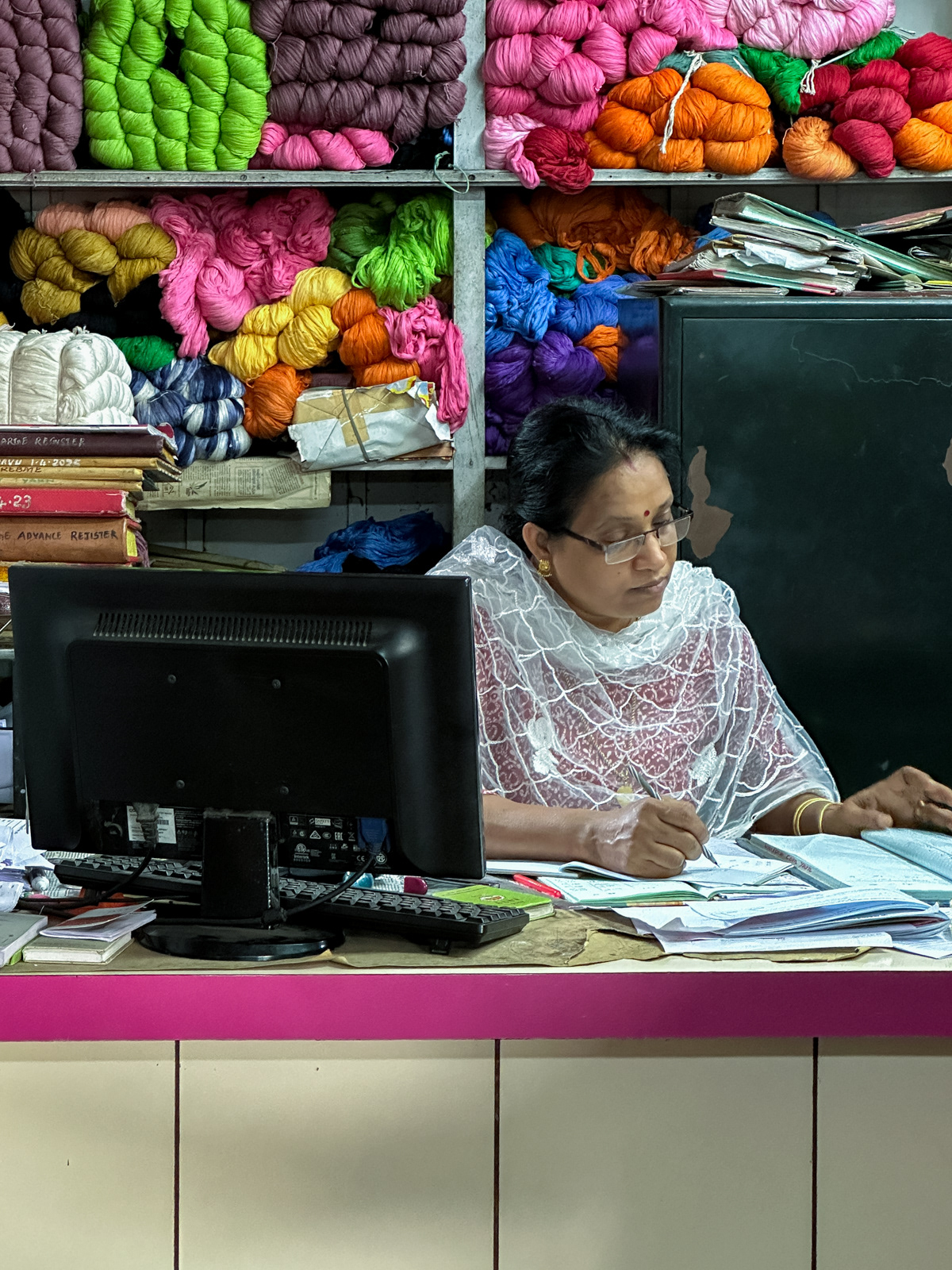
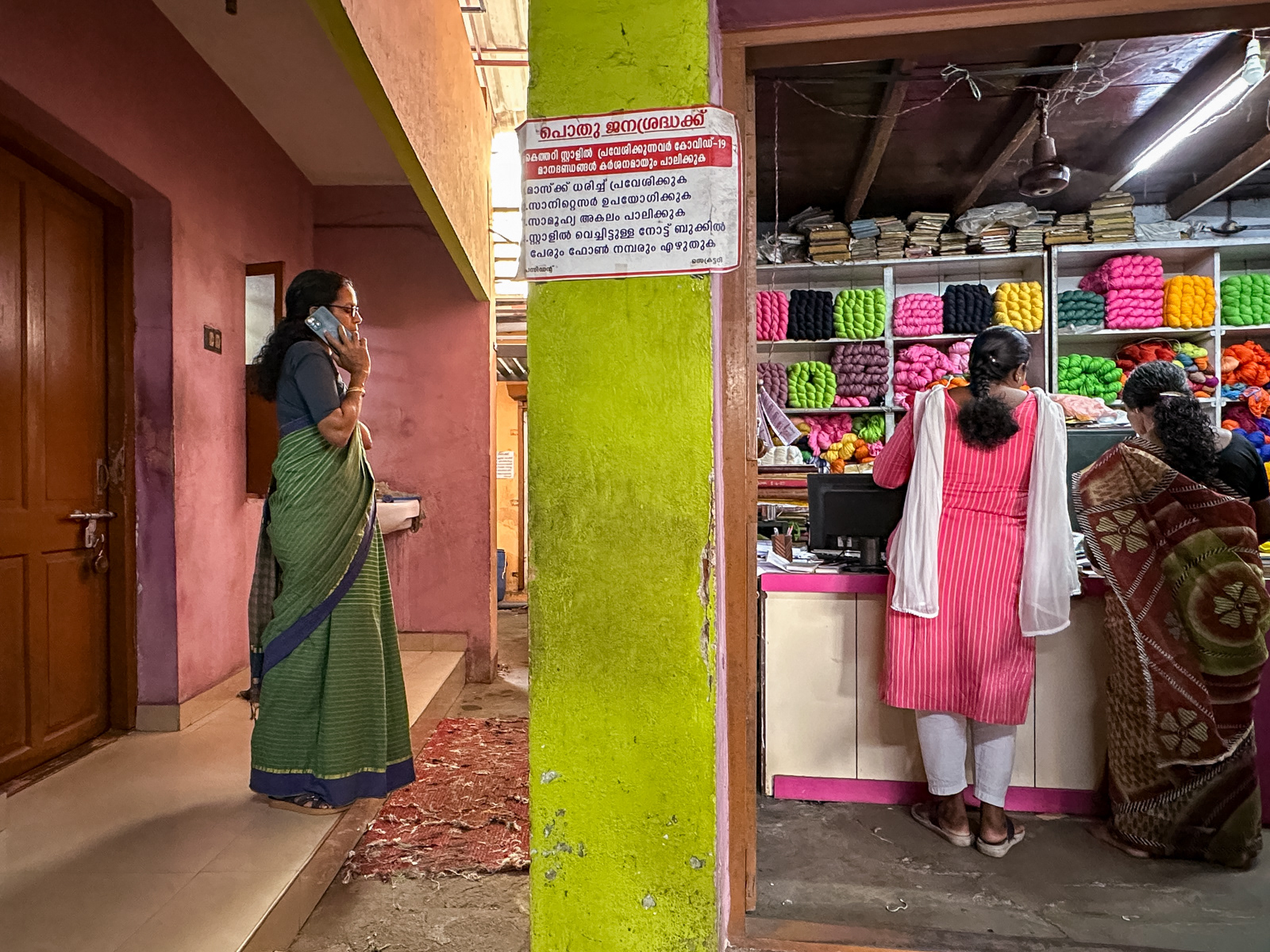
The Paravoor Handloom Weavers Co-Operative Society aims to provide an income for a small community of artisans, producing hand woven cotton saris, dhotis and household linens. Experts are working with the weavers to revitalise the local handloom industry. Even as its master craftspersons are ageing, Chendamangalam is finding it hard to attract the young generation of weavers into its fold.