
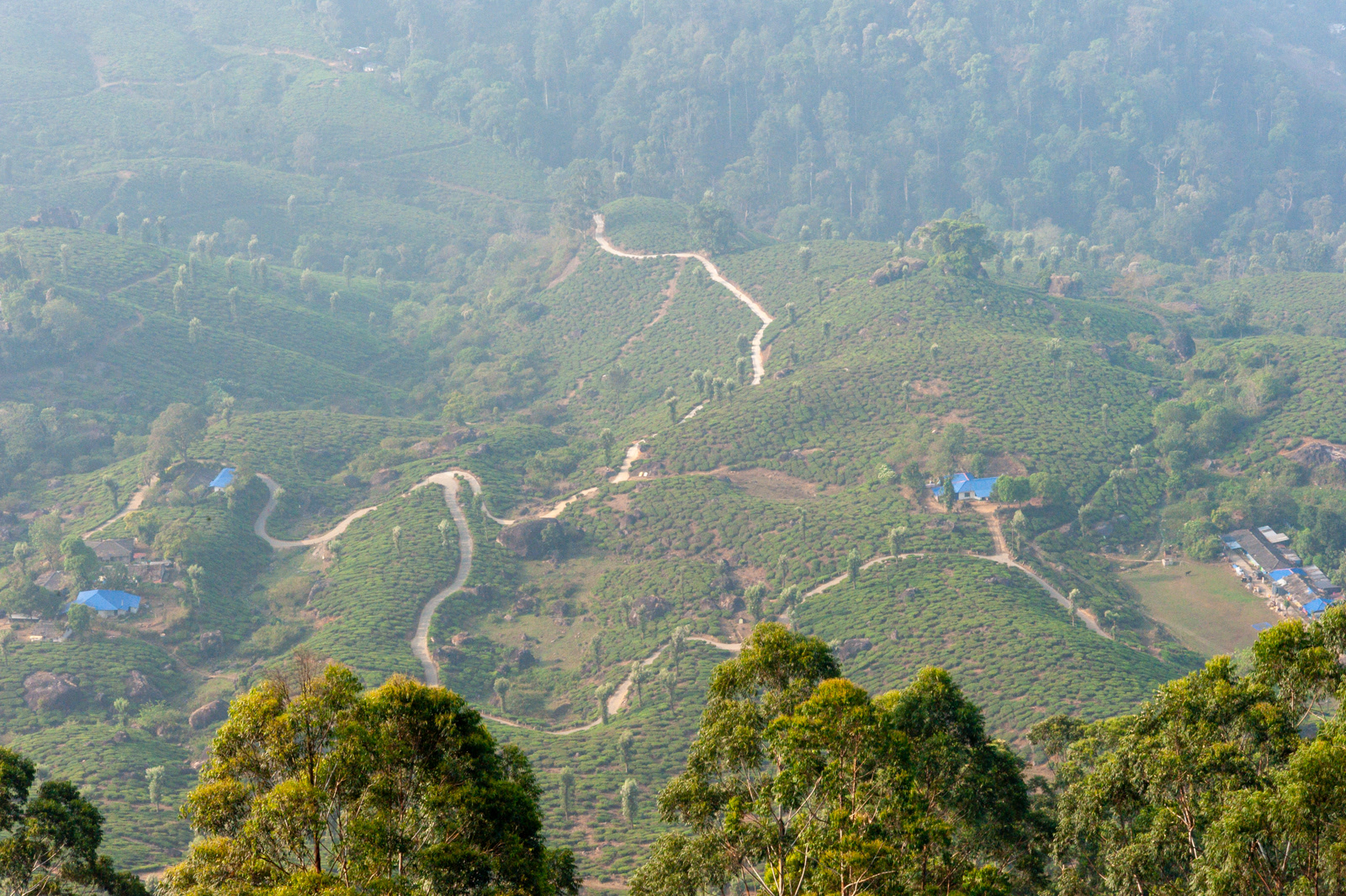
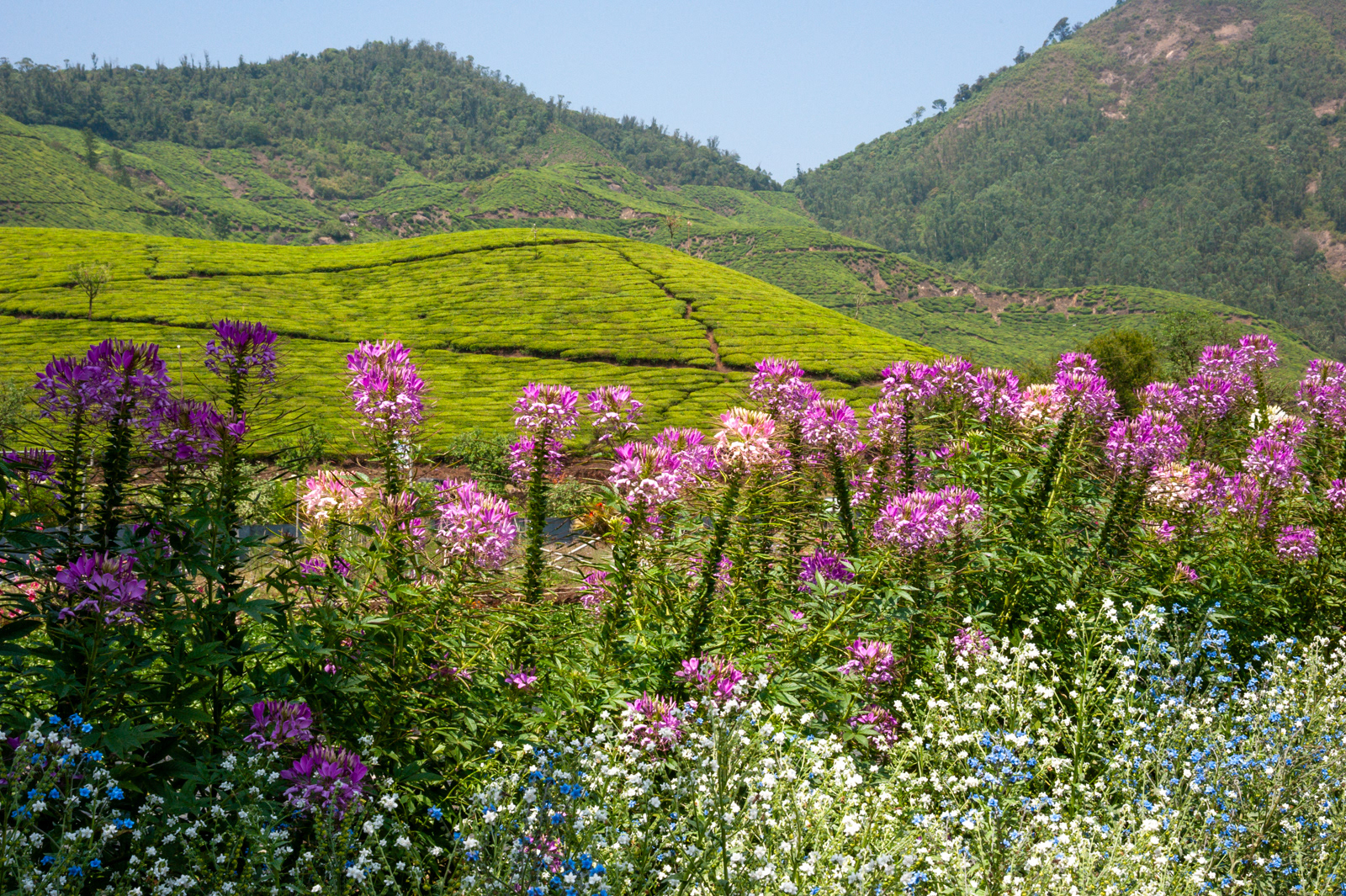
The road from Kochi to Munnar climbs from sea level to 6500 feet and unsurprisingly offers stunning scenery along the way. The views seem to go on forever as the distant mist means it drifts out of focus. Surrounded by teas plantations and 6500 feet above sea level, this really is a truly stunning place, often referred to as ‘The Heaven of South India’.
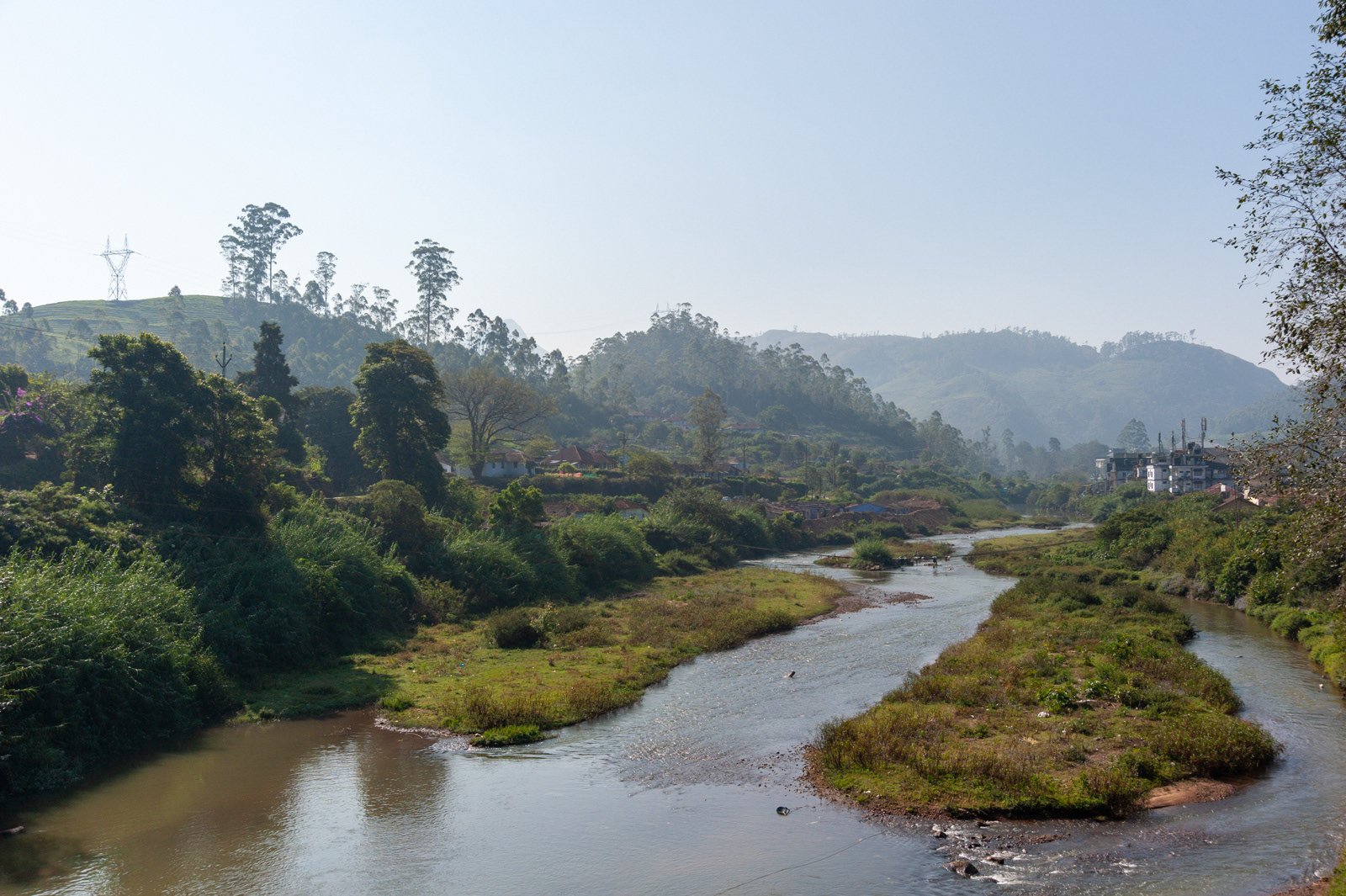
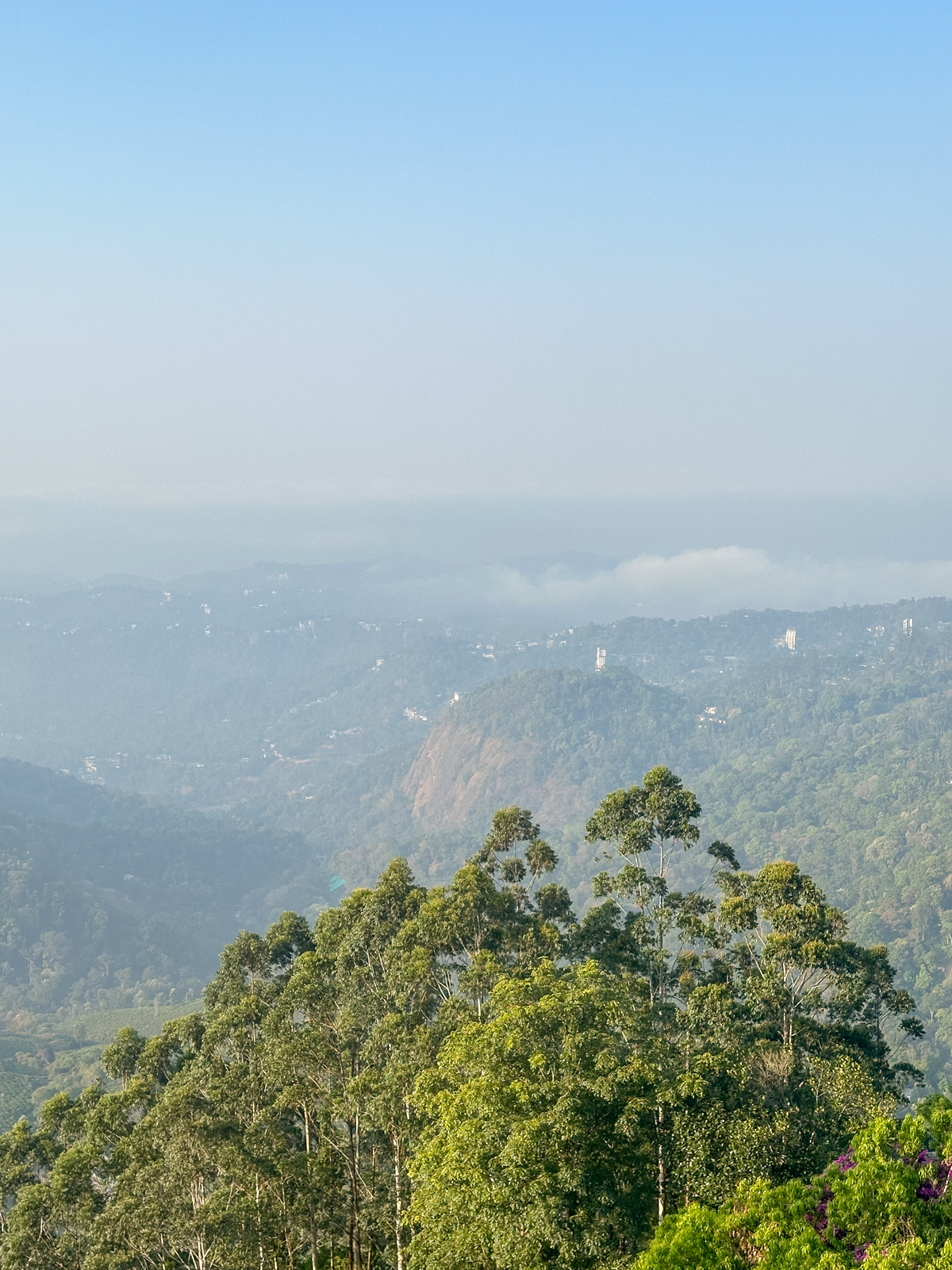
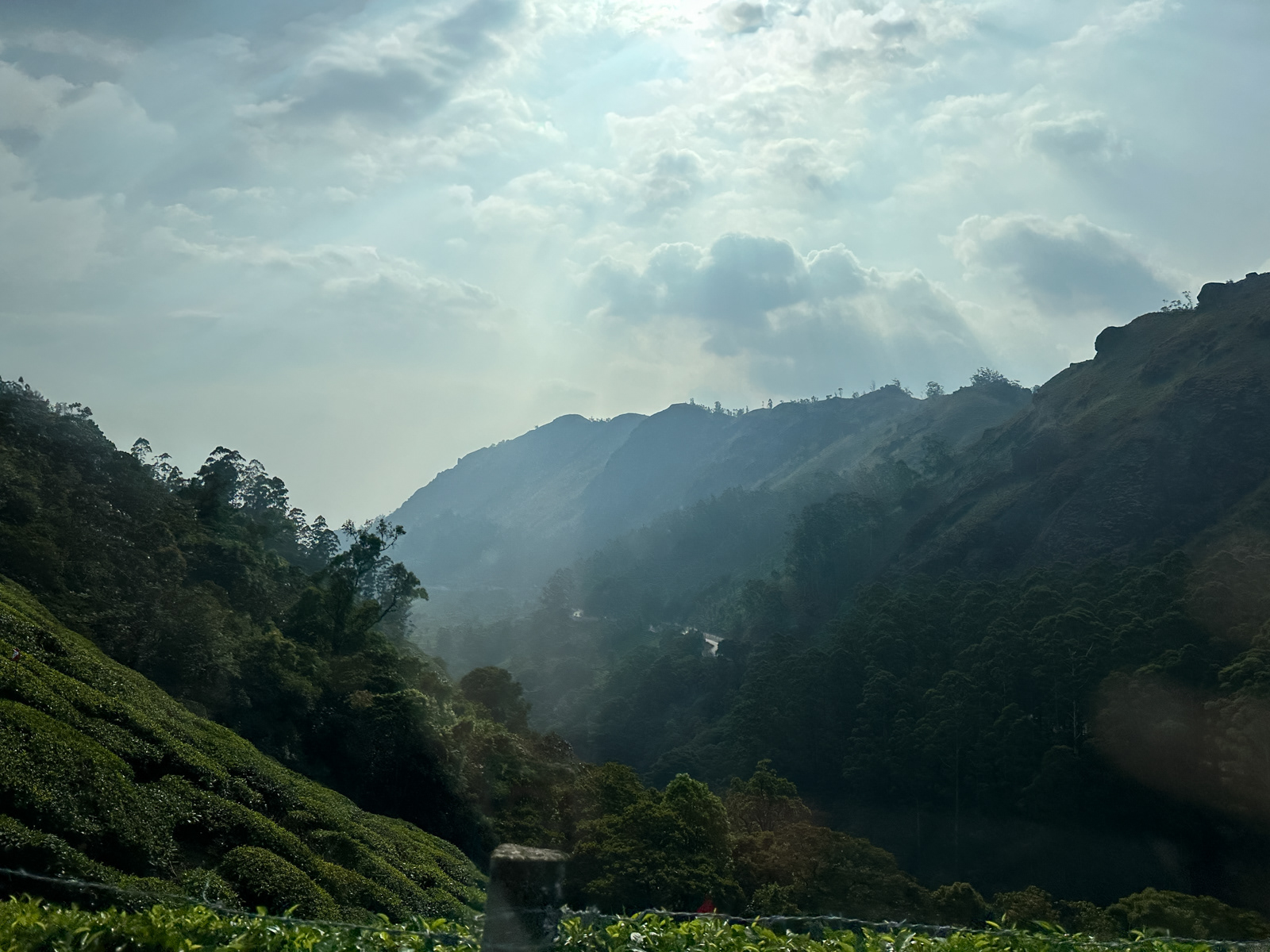
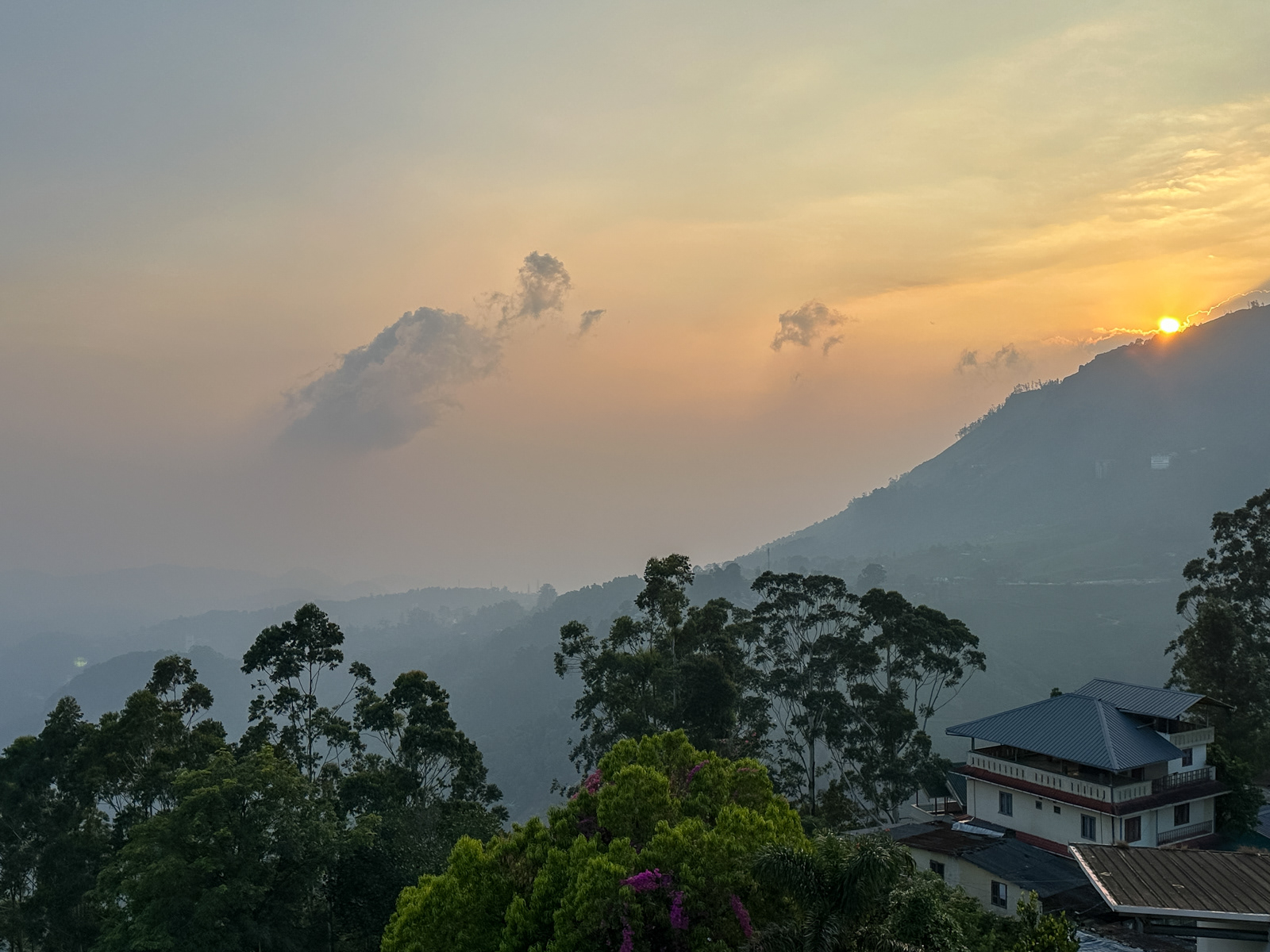
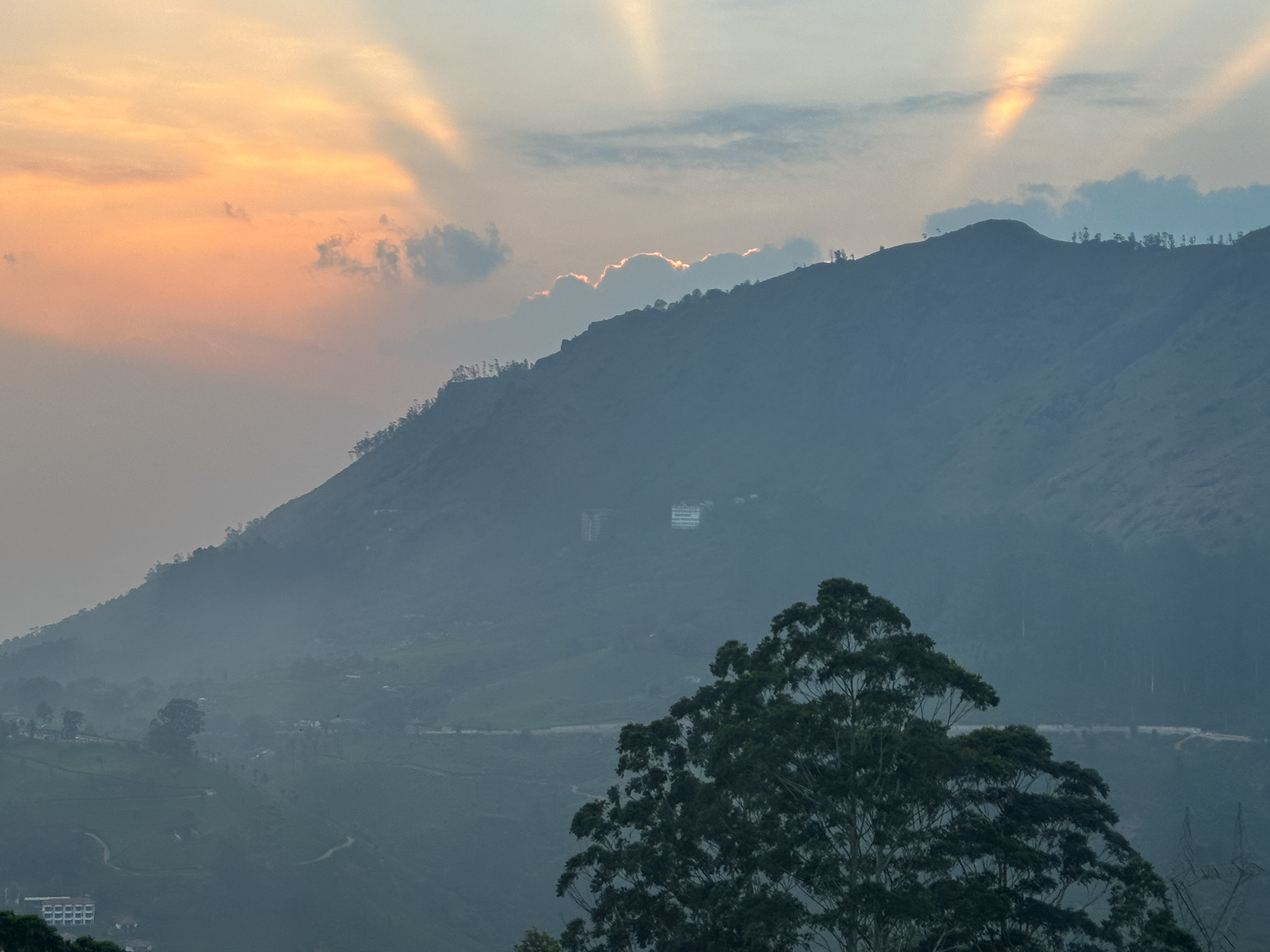
Munnar is a tranquil hill station nestling in the heights of Western Ghats and the Blue Mountains in the Idukki district. The indigenous people of Munnar are those belonging to the Muthuvan tribal community. The land lay unexplored and wild until the 19th century when planters from faraway lands in Europe chose to start plantations here.
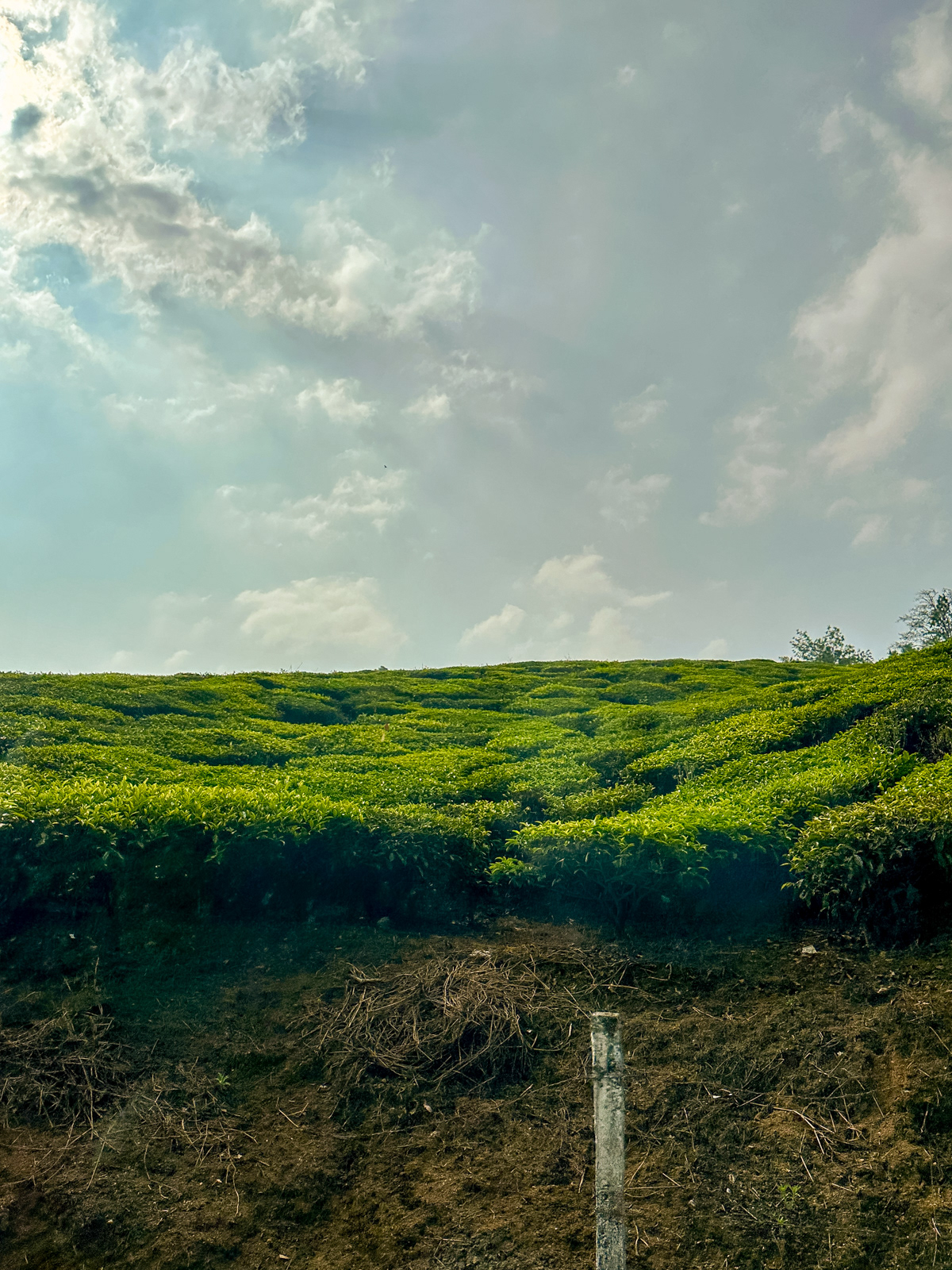
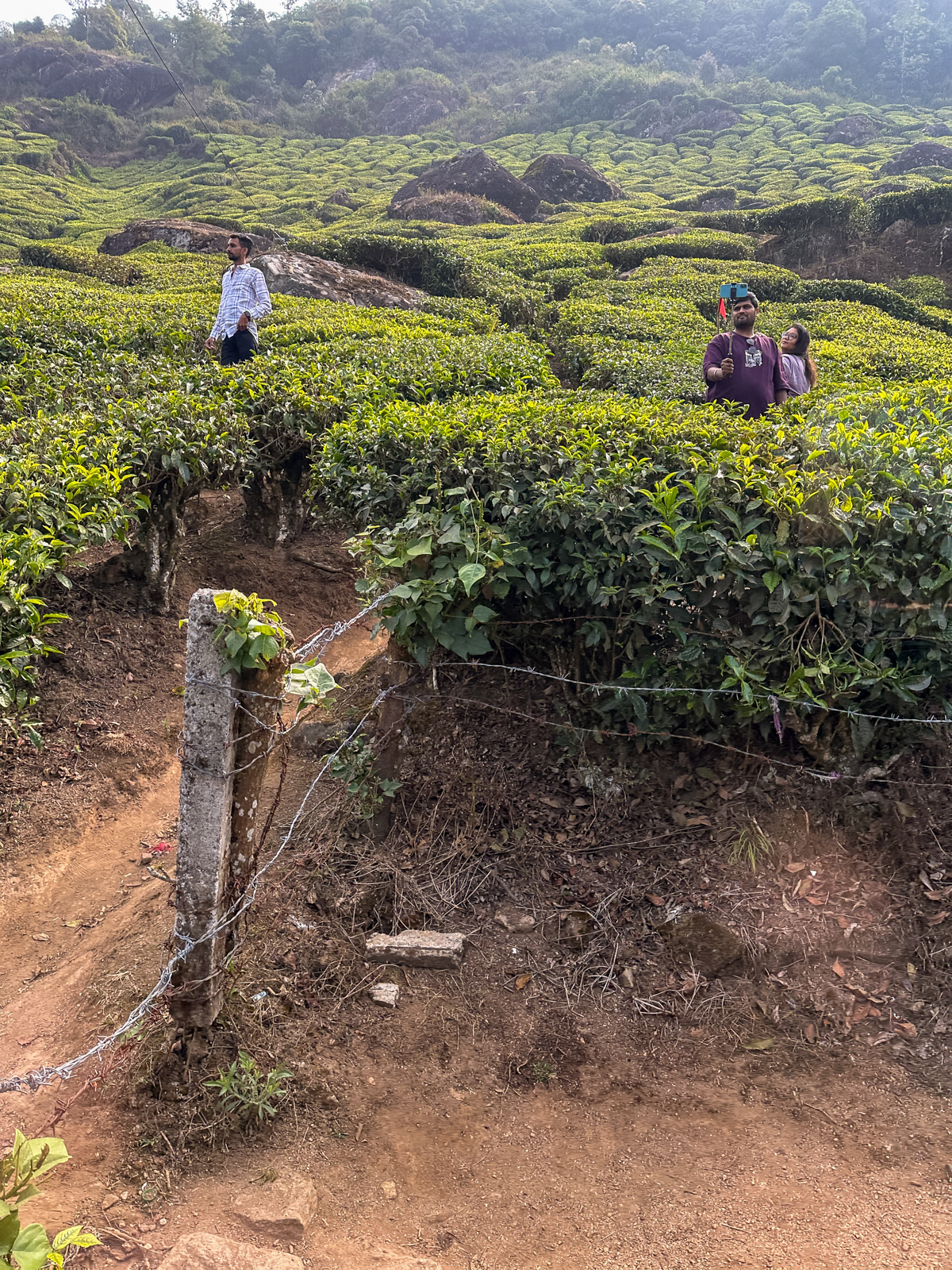
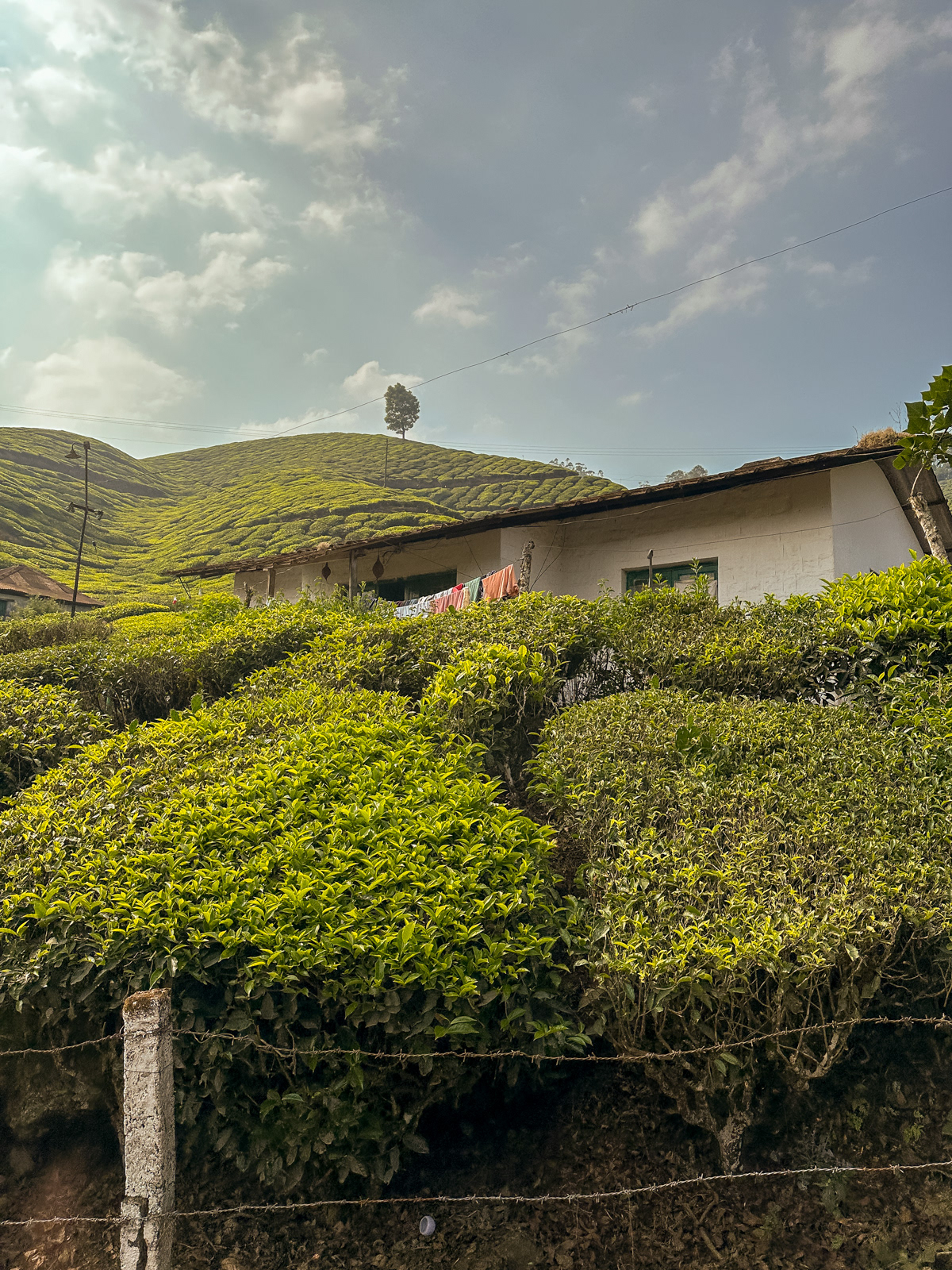
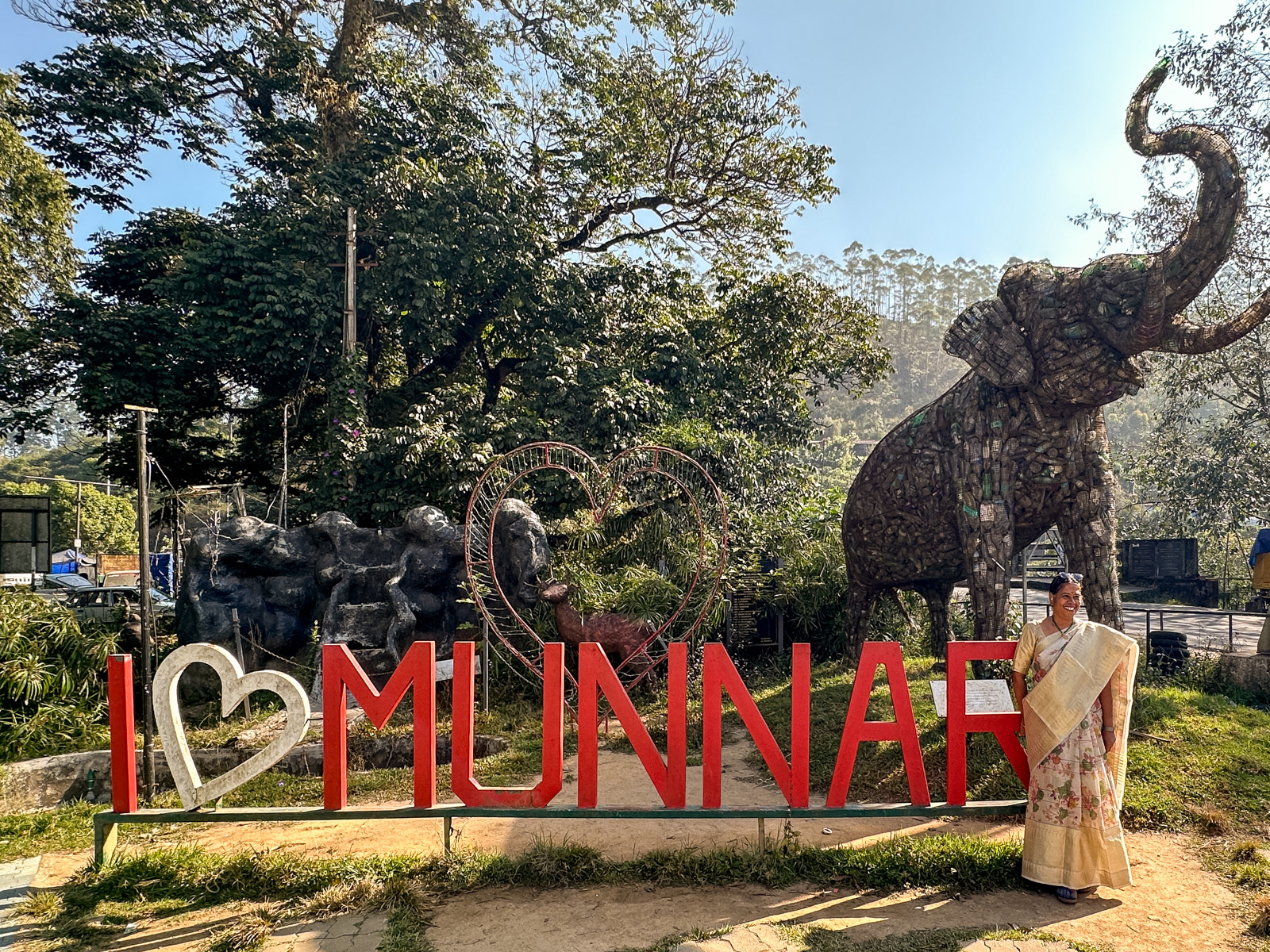
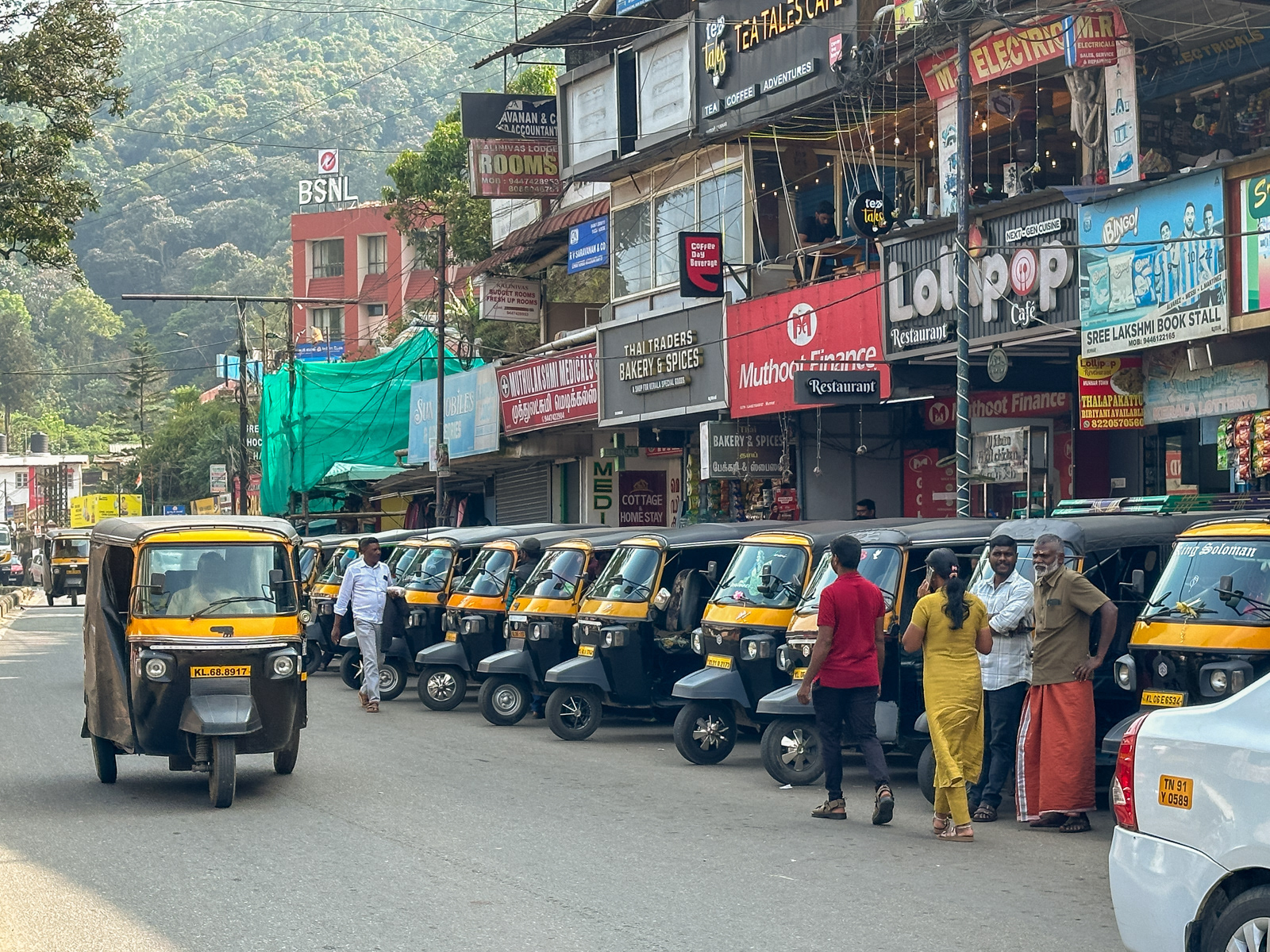
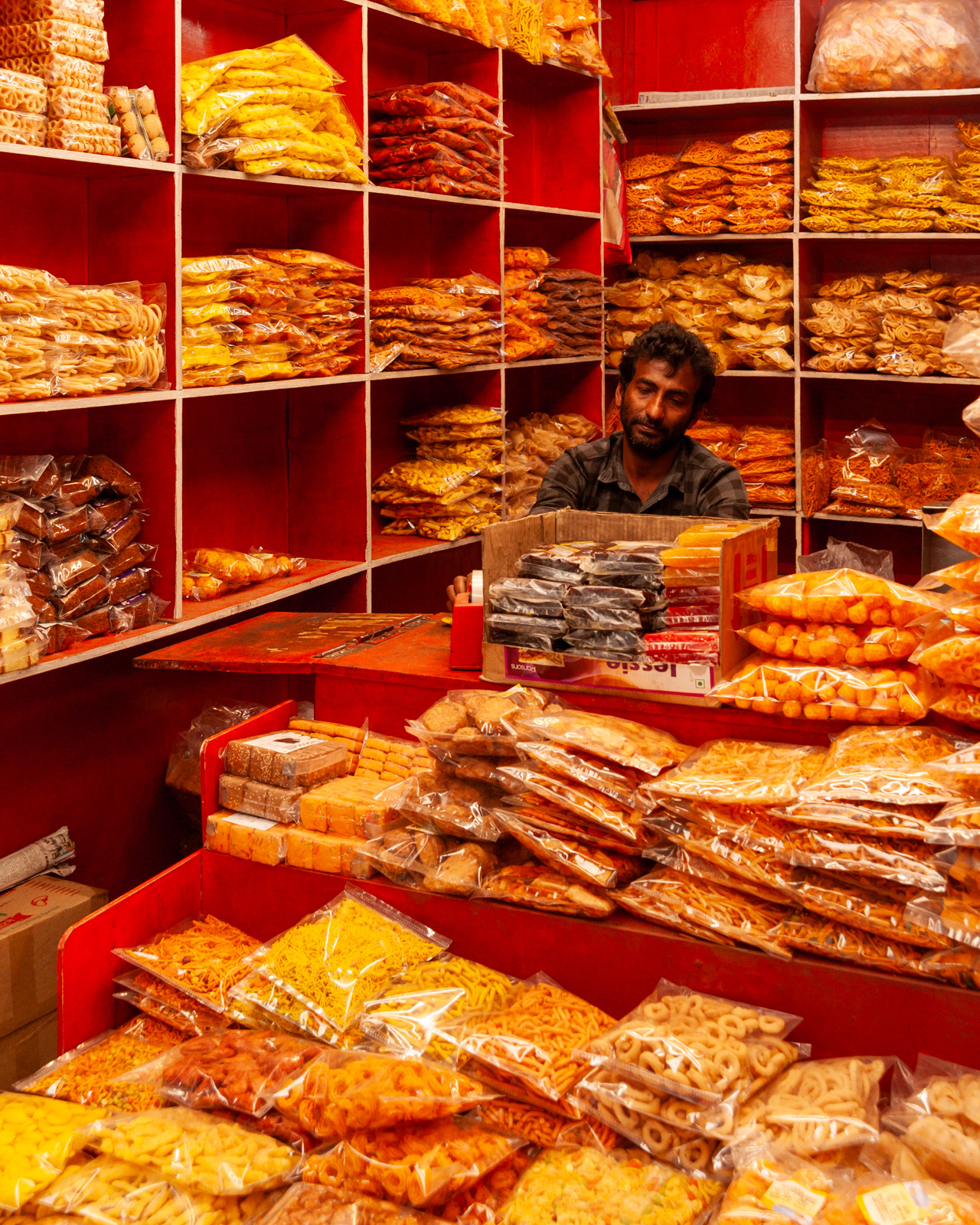
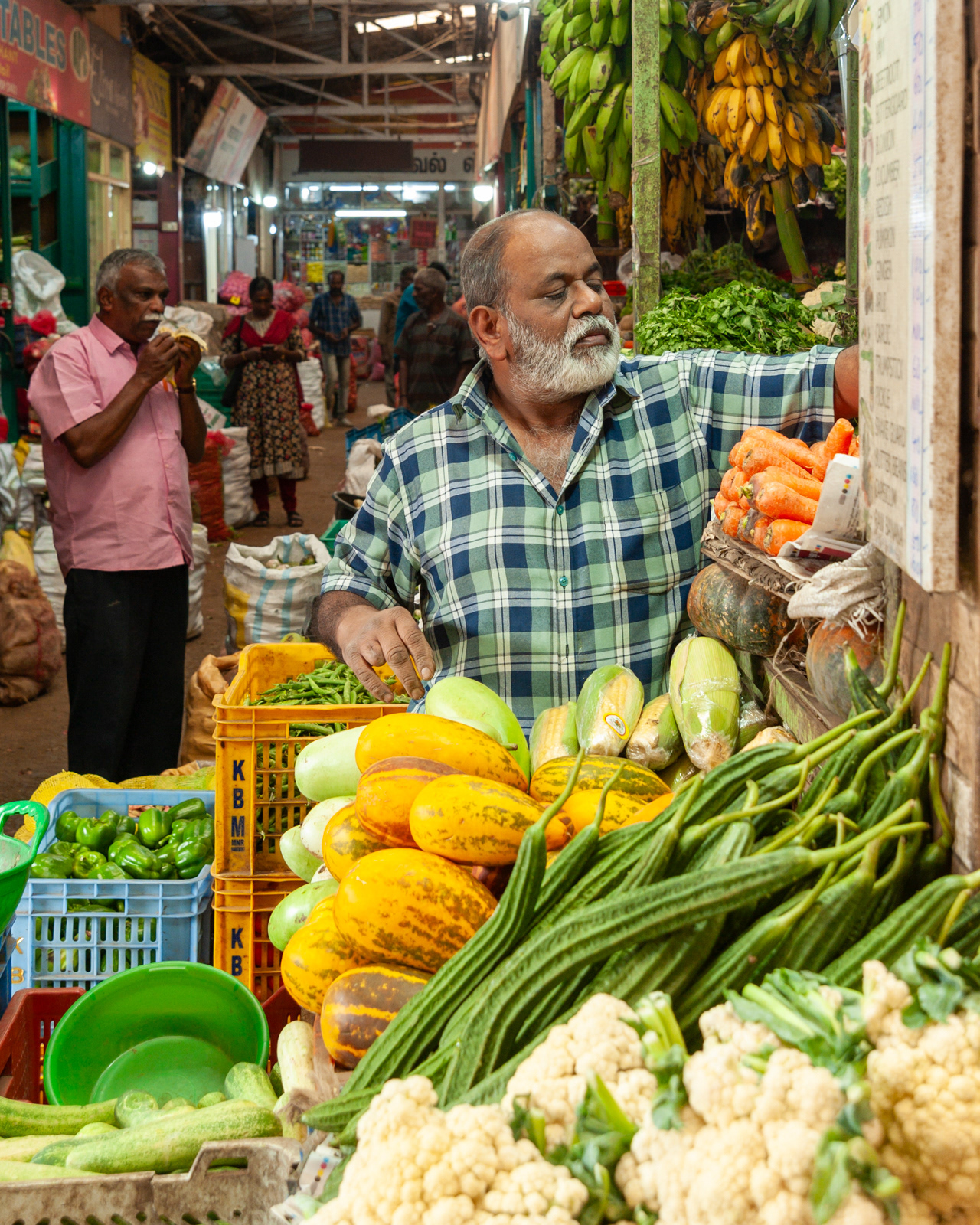
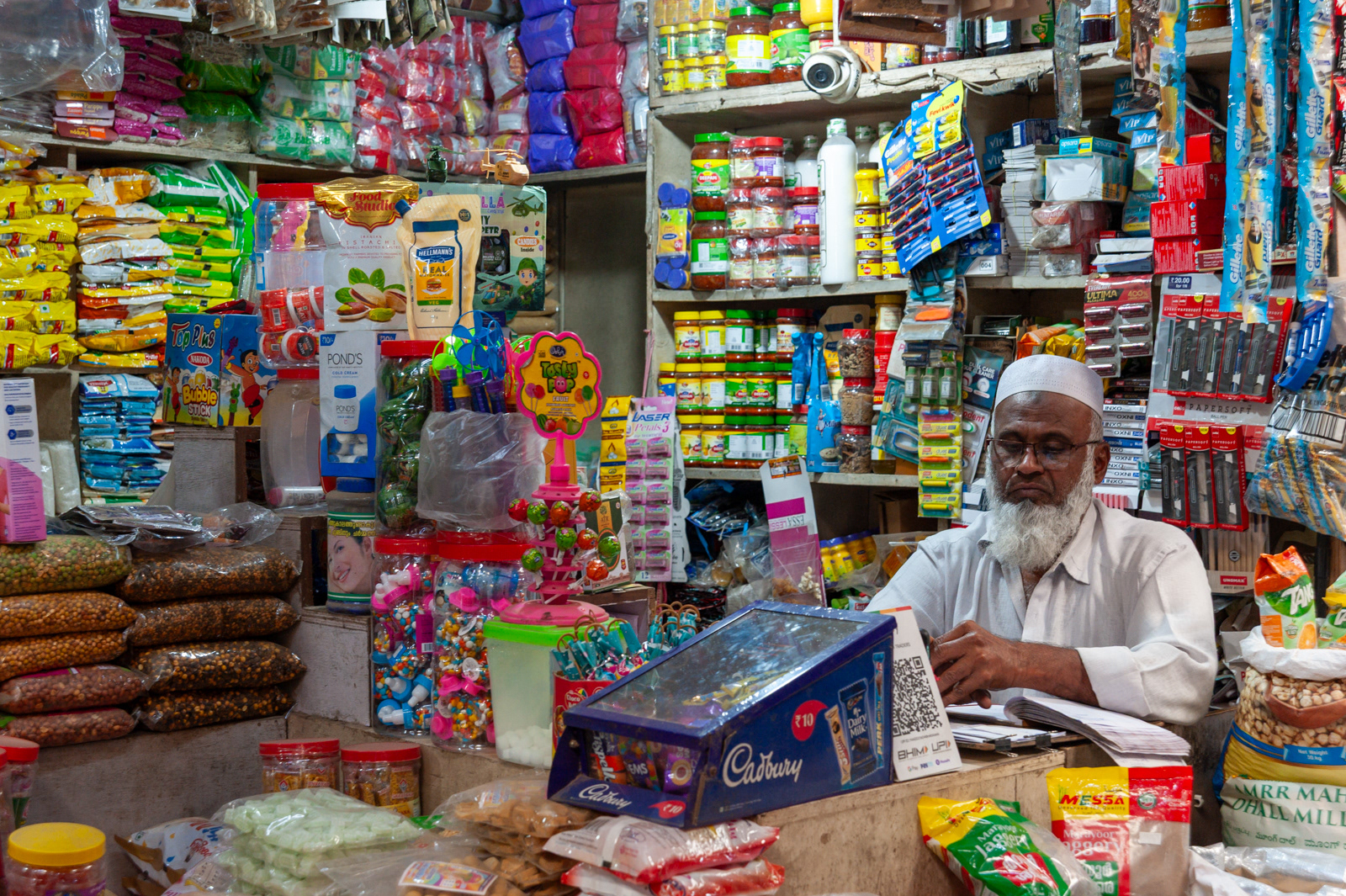
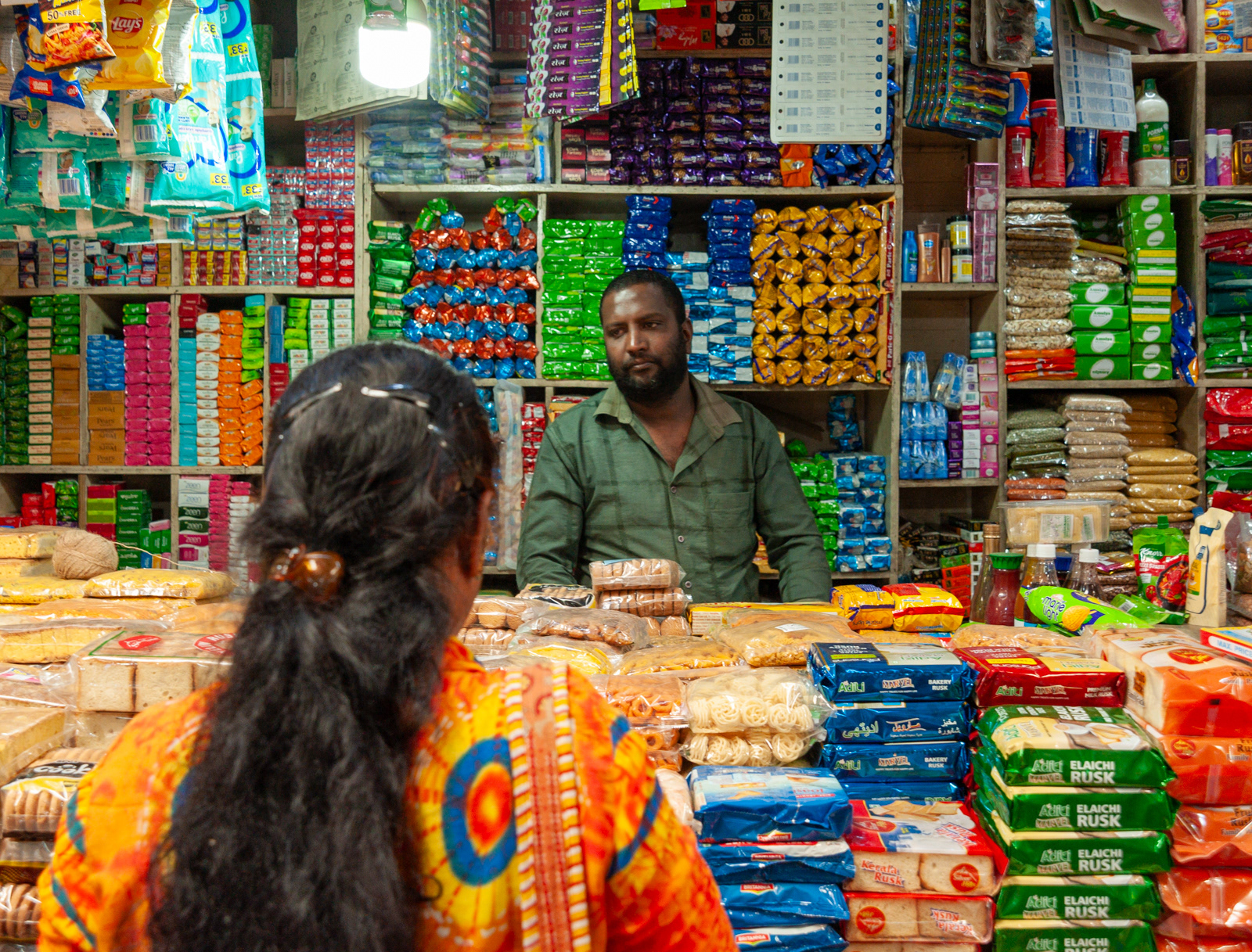
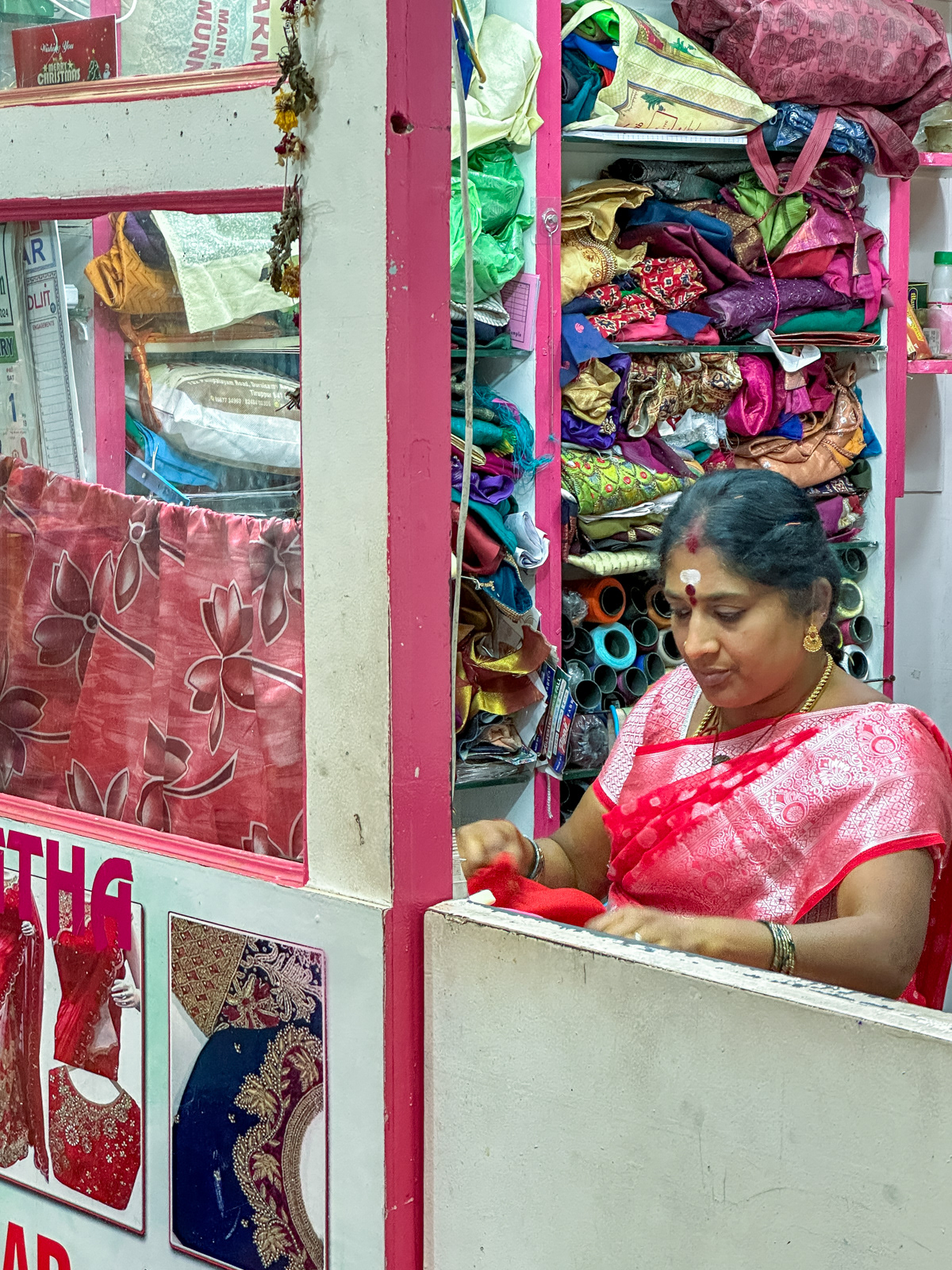
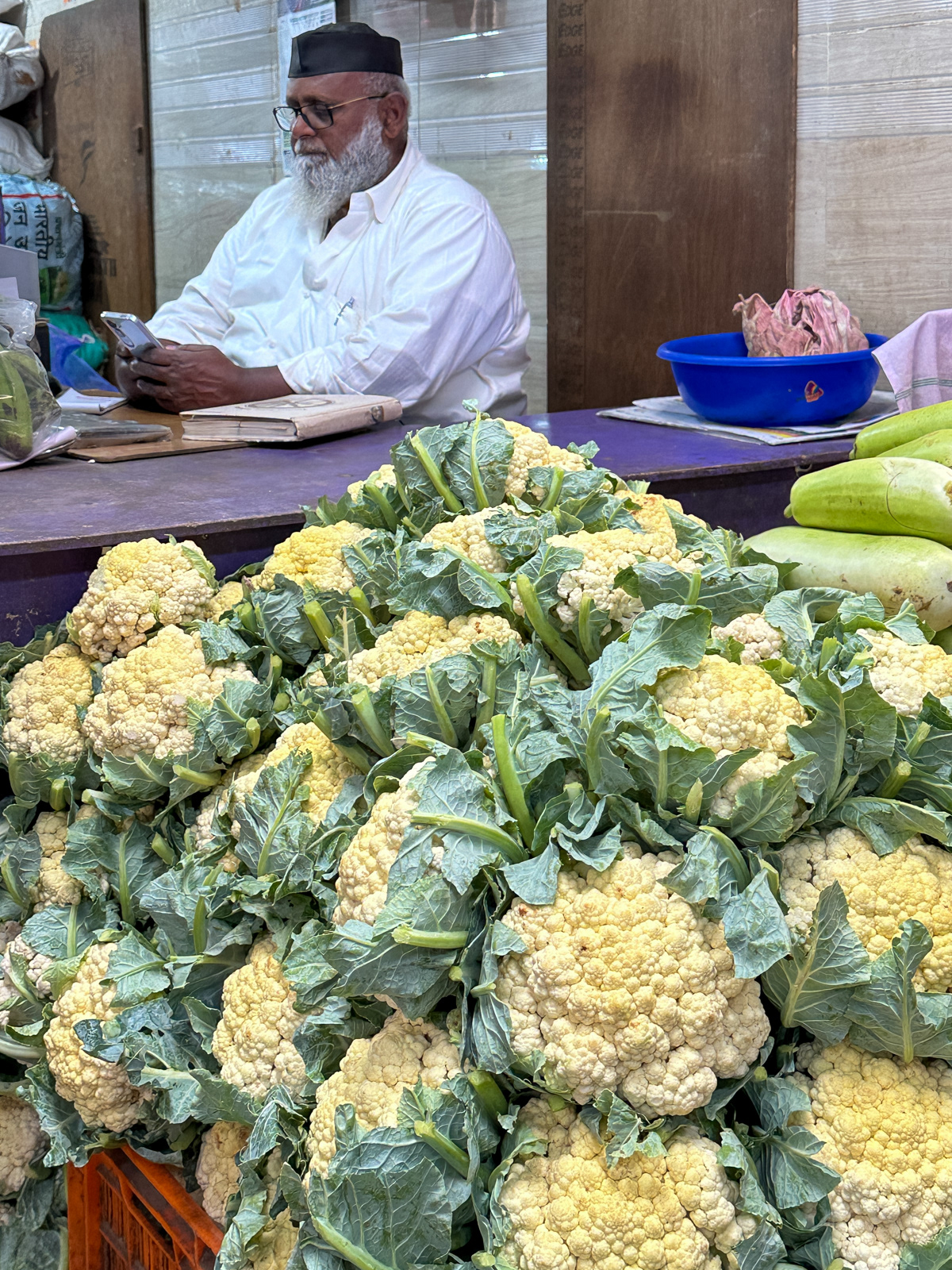
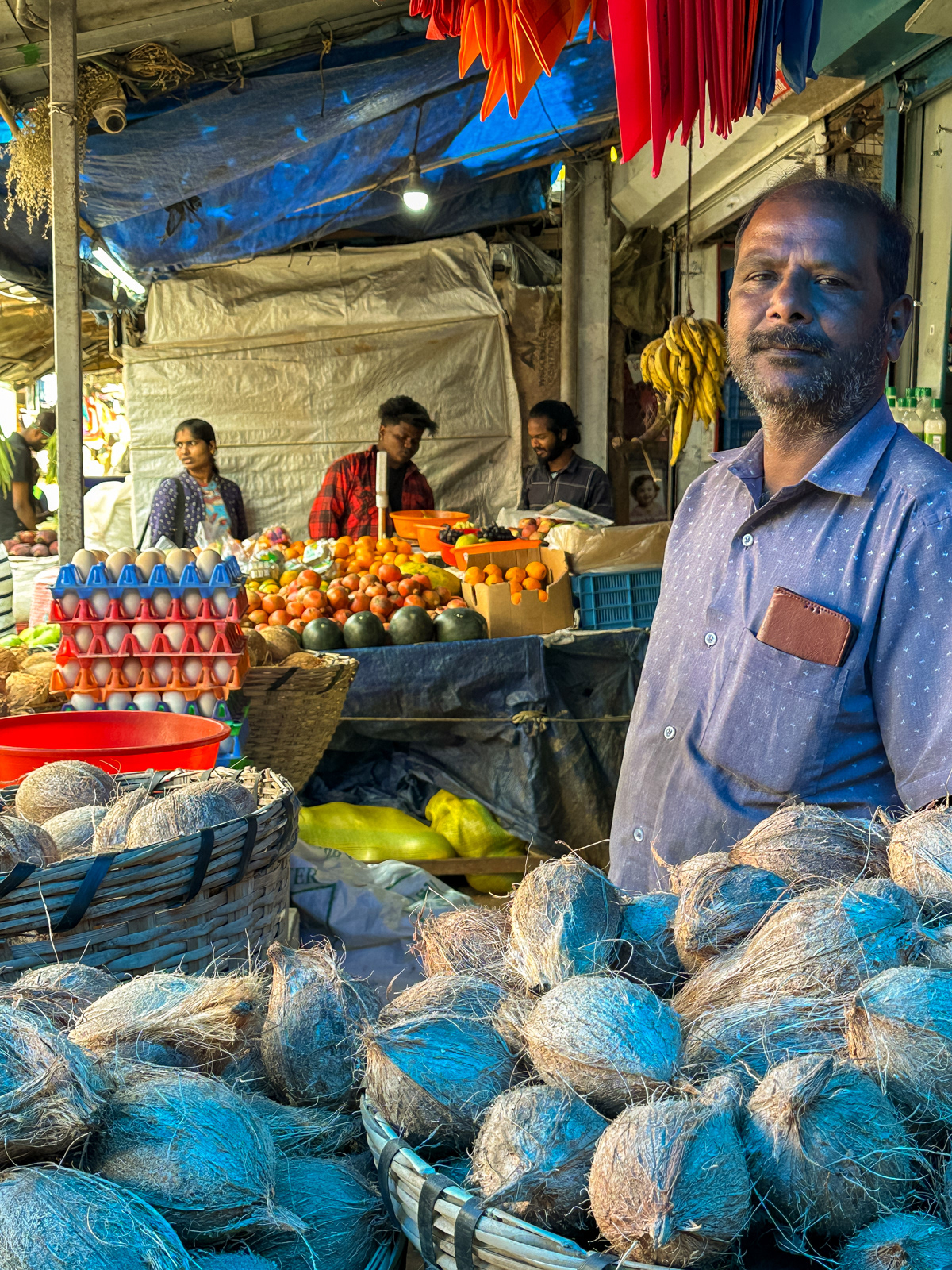
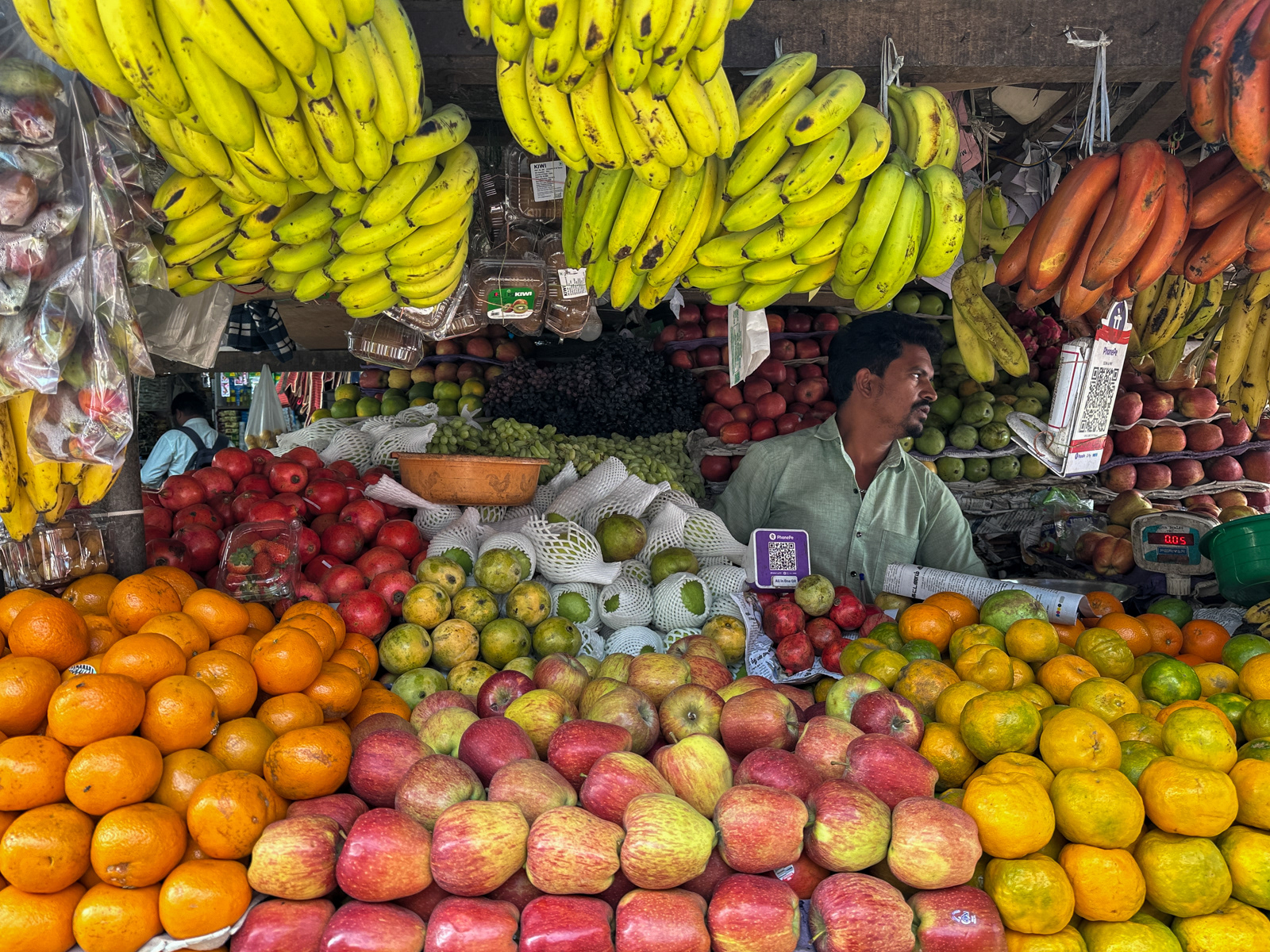
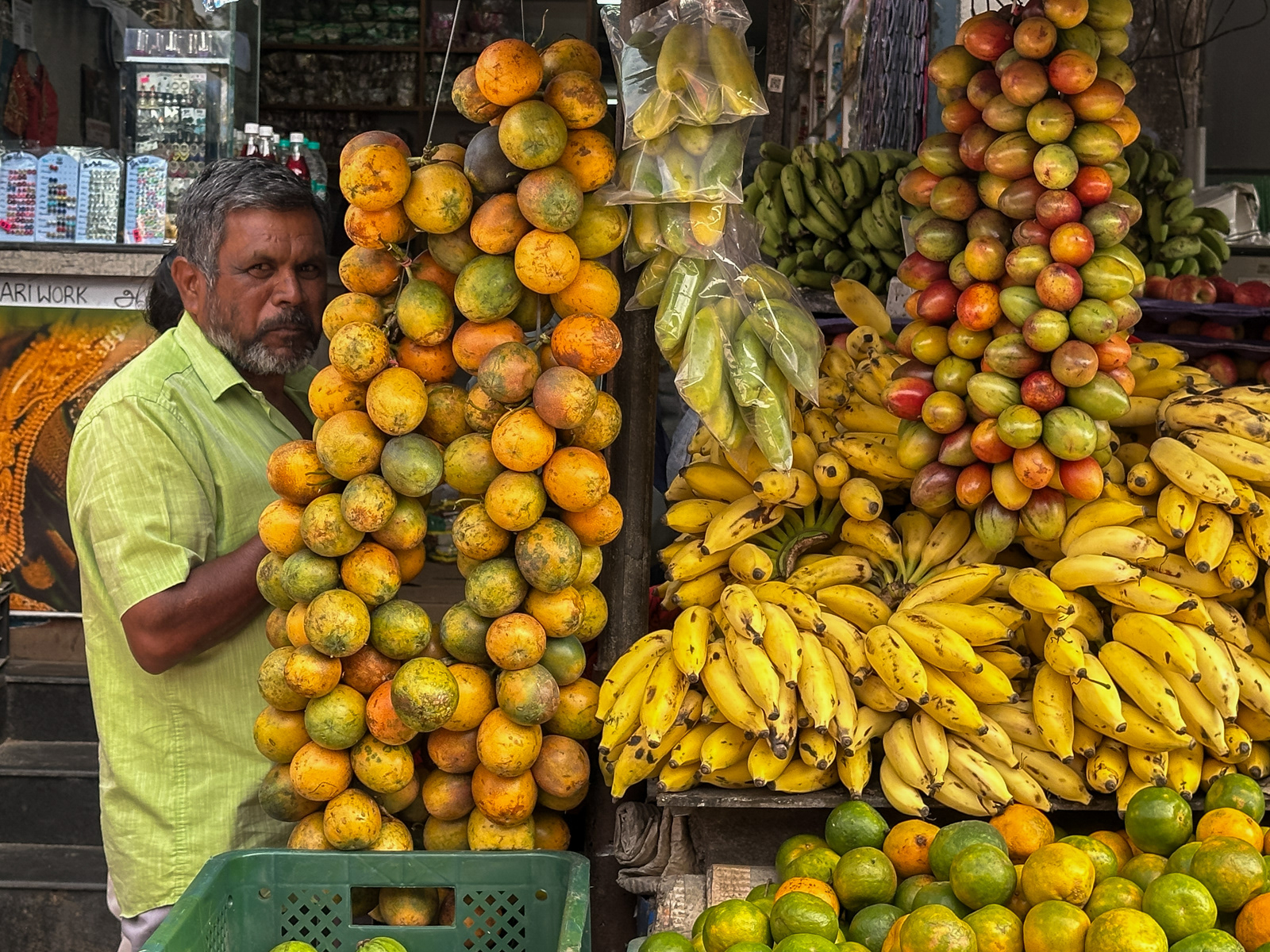
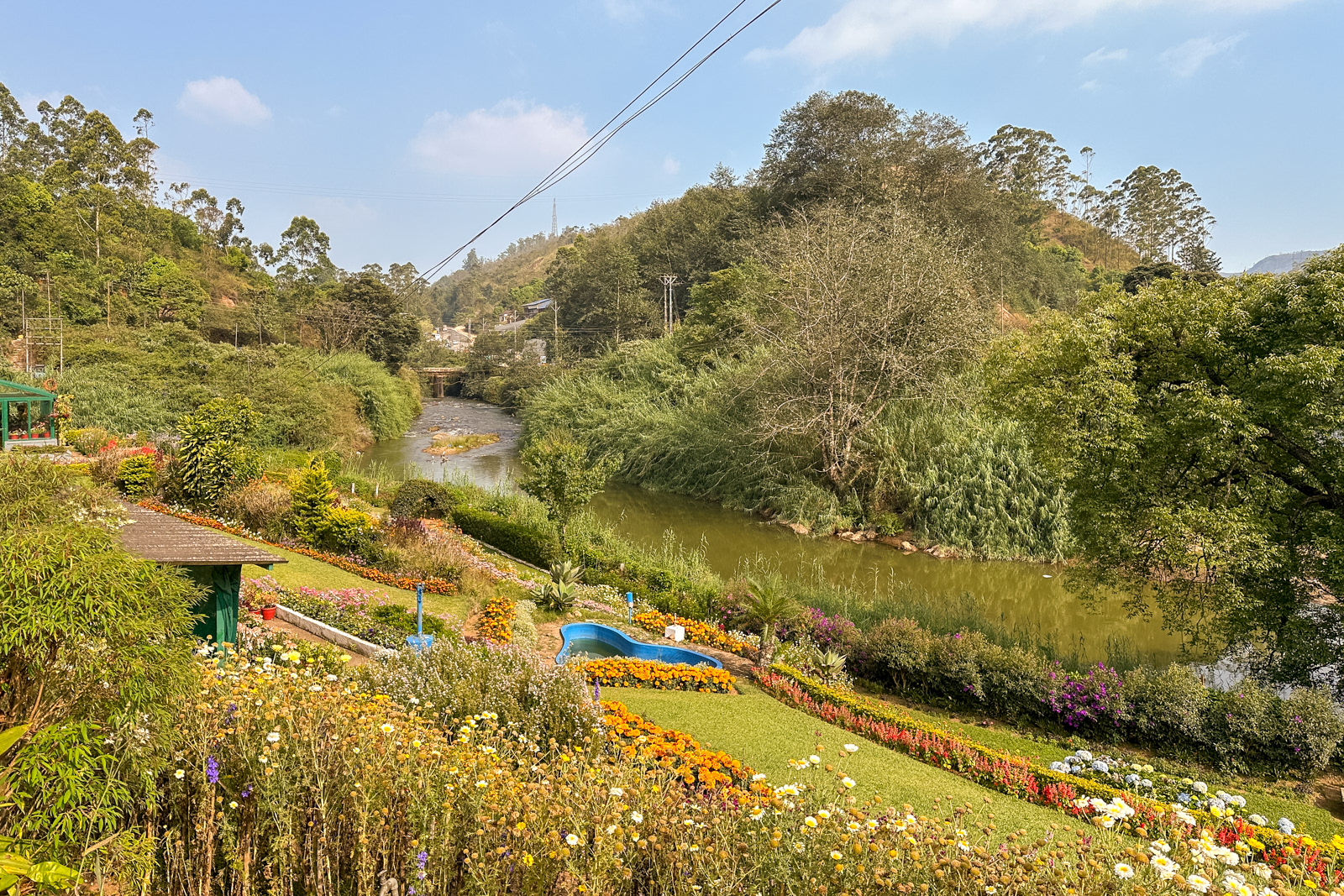
The town sits at the at the confluence of the Muthirapuzha, Nallathanni and Kundali River, and indeed the name is a combination of “Munnu” and “Aaru” (in the local language of Malayalam) literally meaning “three rivers”. The town itself straddles the three river valleys and climbs the slopes of the hills that surround it, though it is not a big place with a population of a little over 32,000. It is a perfect base for sampling ‘Gods own Country”. The indoor markets, which were full of fresh produce, and all sorts of other things that one might need, are always great to people watch.


The Srishi Trust are a charitable trust dedicated to the rehabilitation and generation of sustainable livelihoods for the differently-abled children and young adults of the rural plantation community of Munnar. Founded in 1991, the network of the then Tata Tea facilitated and assisted in identifying differently-abled children of plantation workers through their specially appointed welfare officers across the wide-spread tea plantations. The children gain a vocational education and guaranteed employment possibilities when they graduate. Nurtured into artists by experts in their respective crafts to develop their skills, the specially-abled youth are also trained in social & self-help skills along with vocational skills. It gives them the chance to lead independent lives.
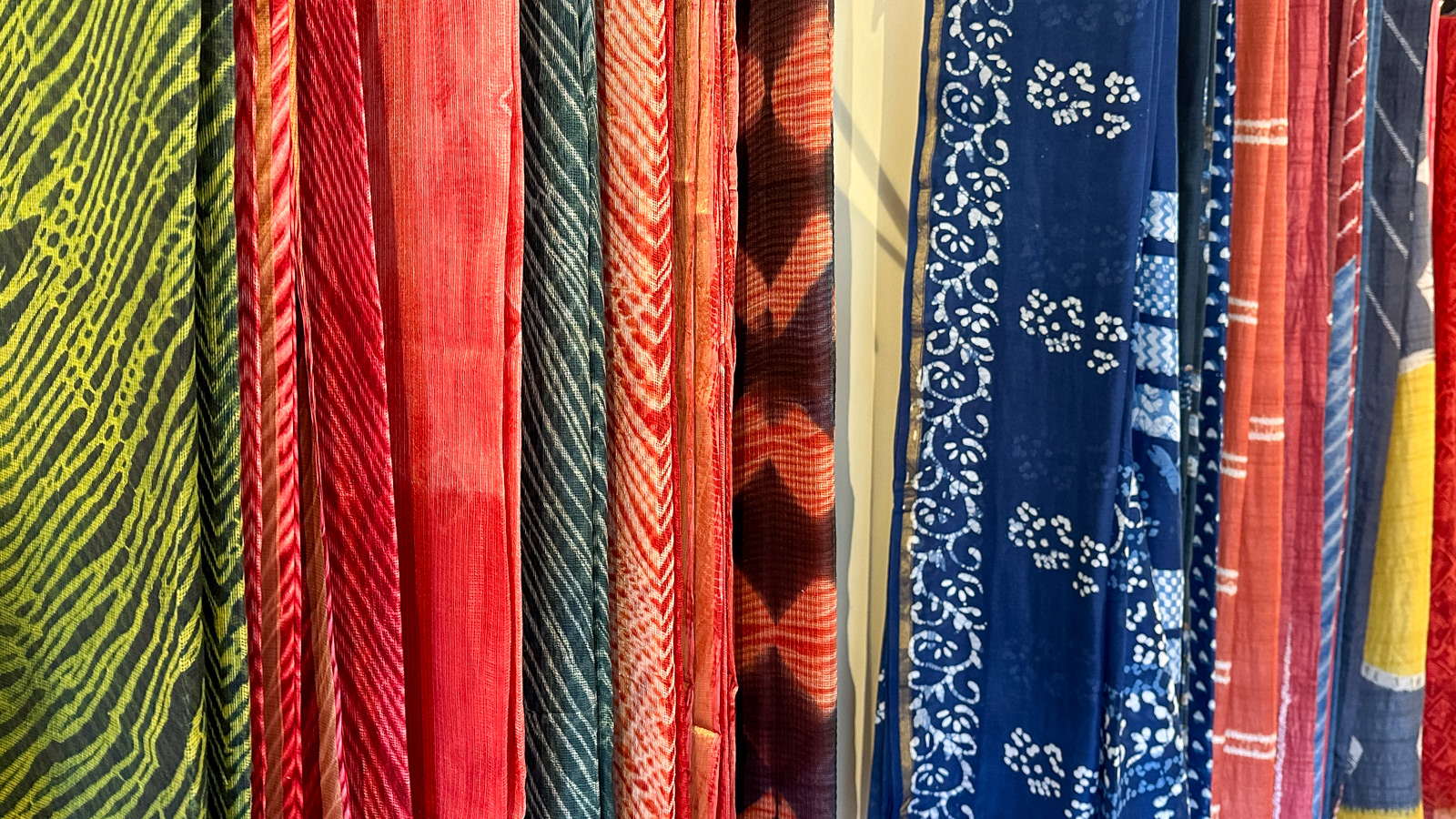
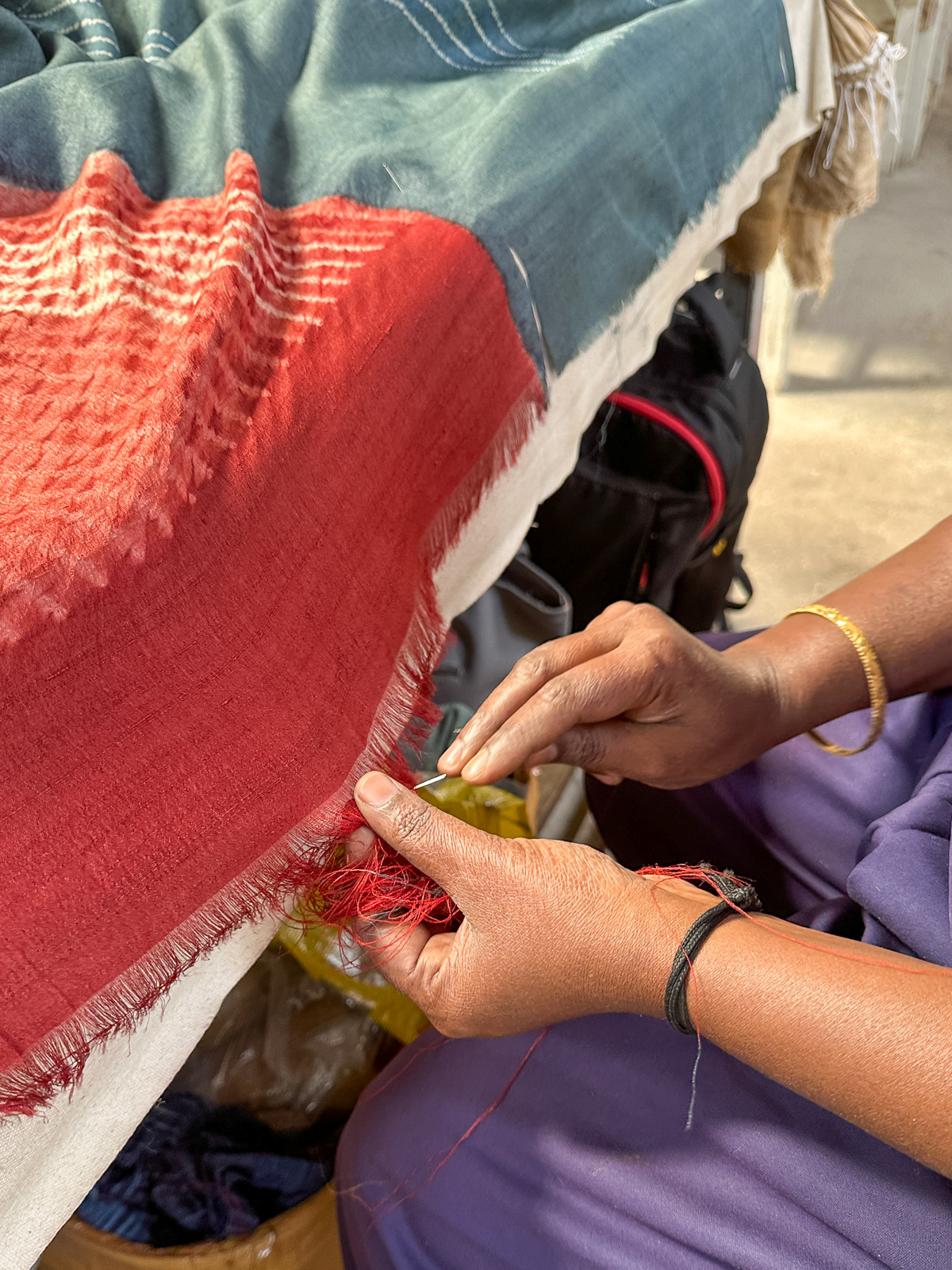
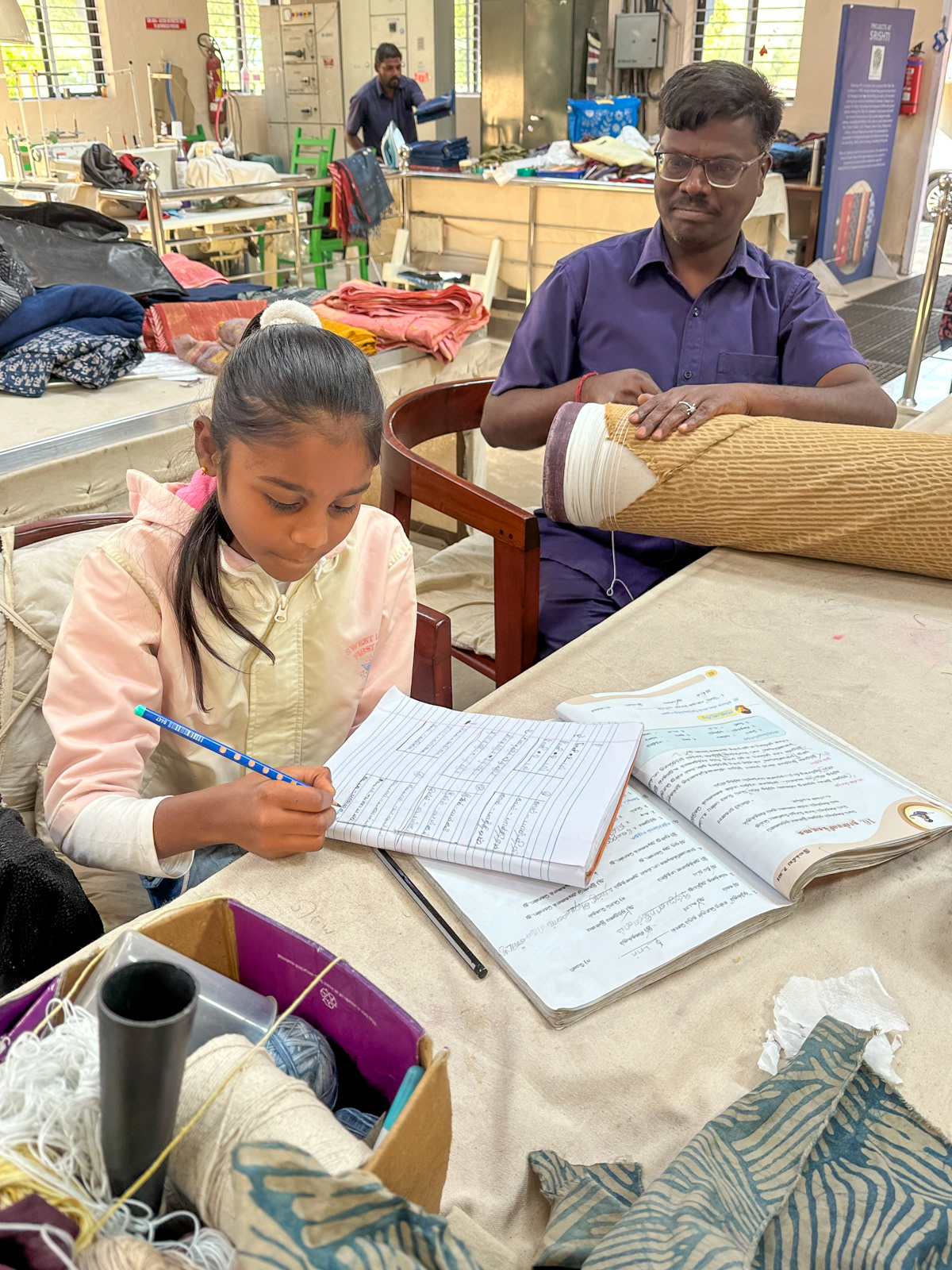
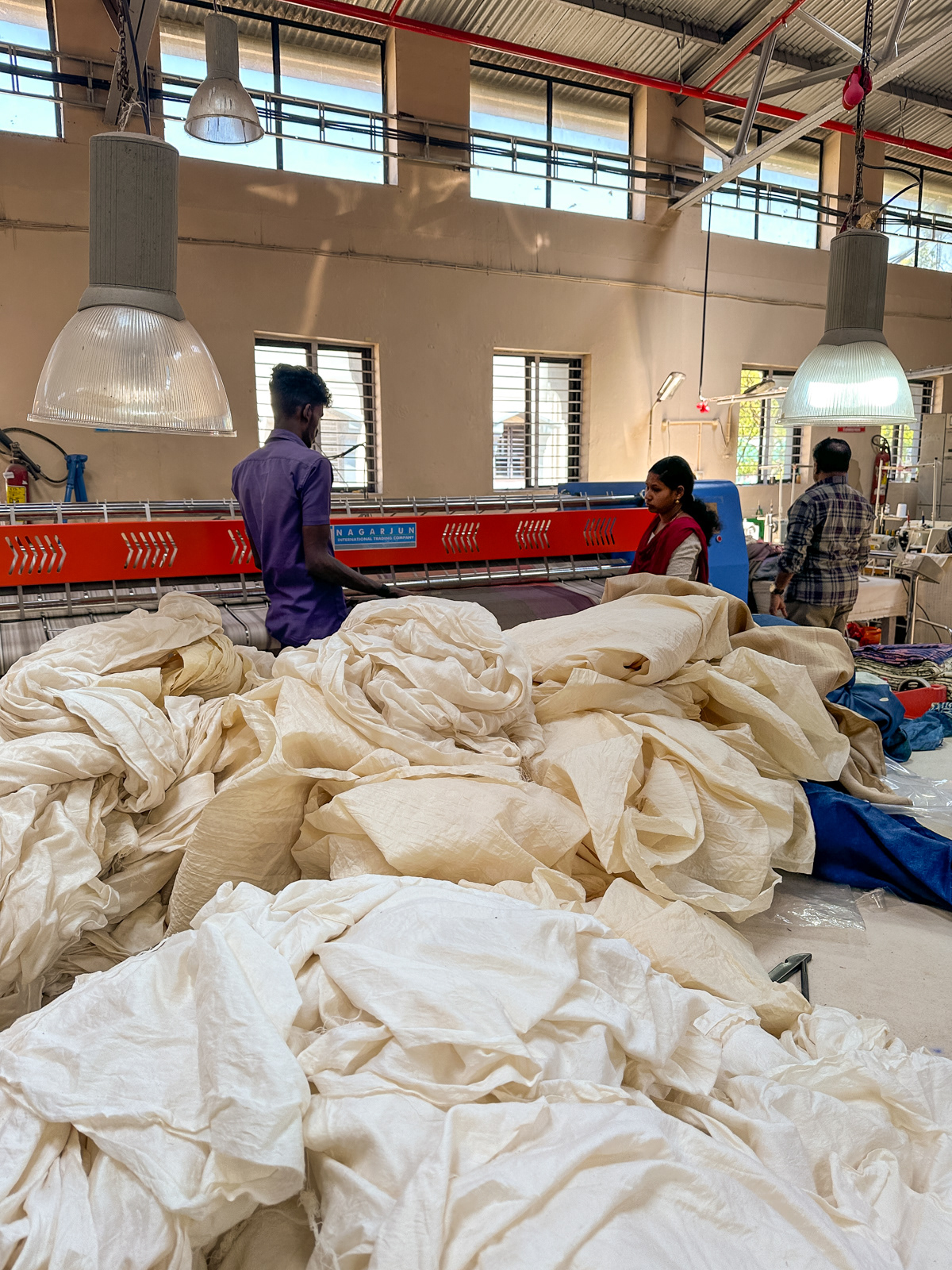
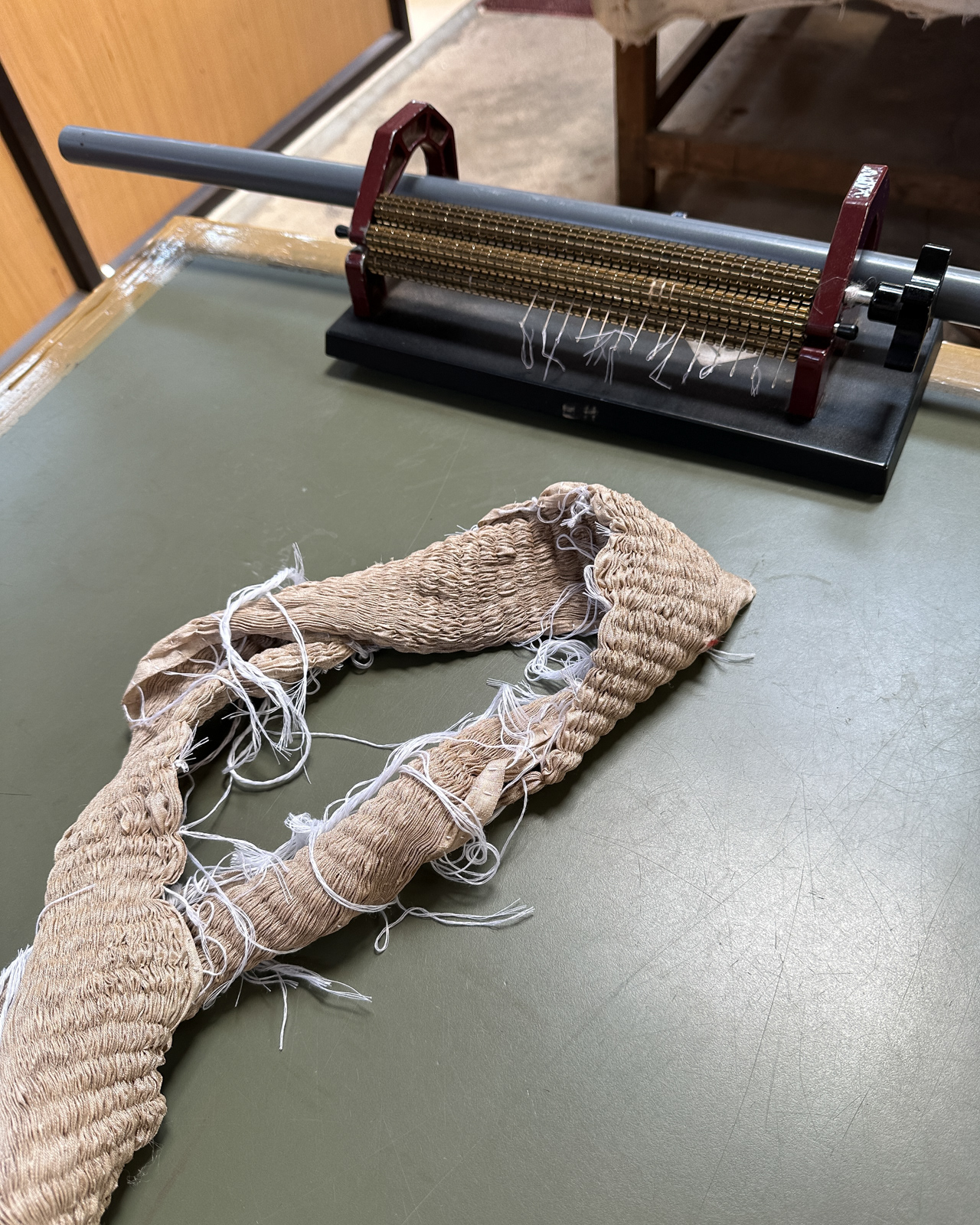
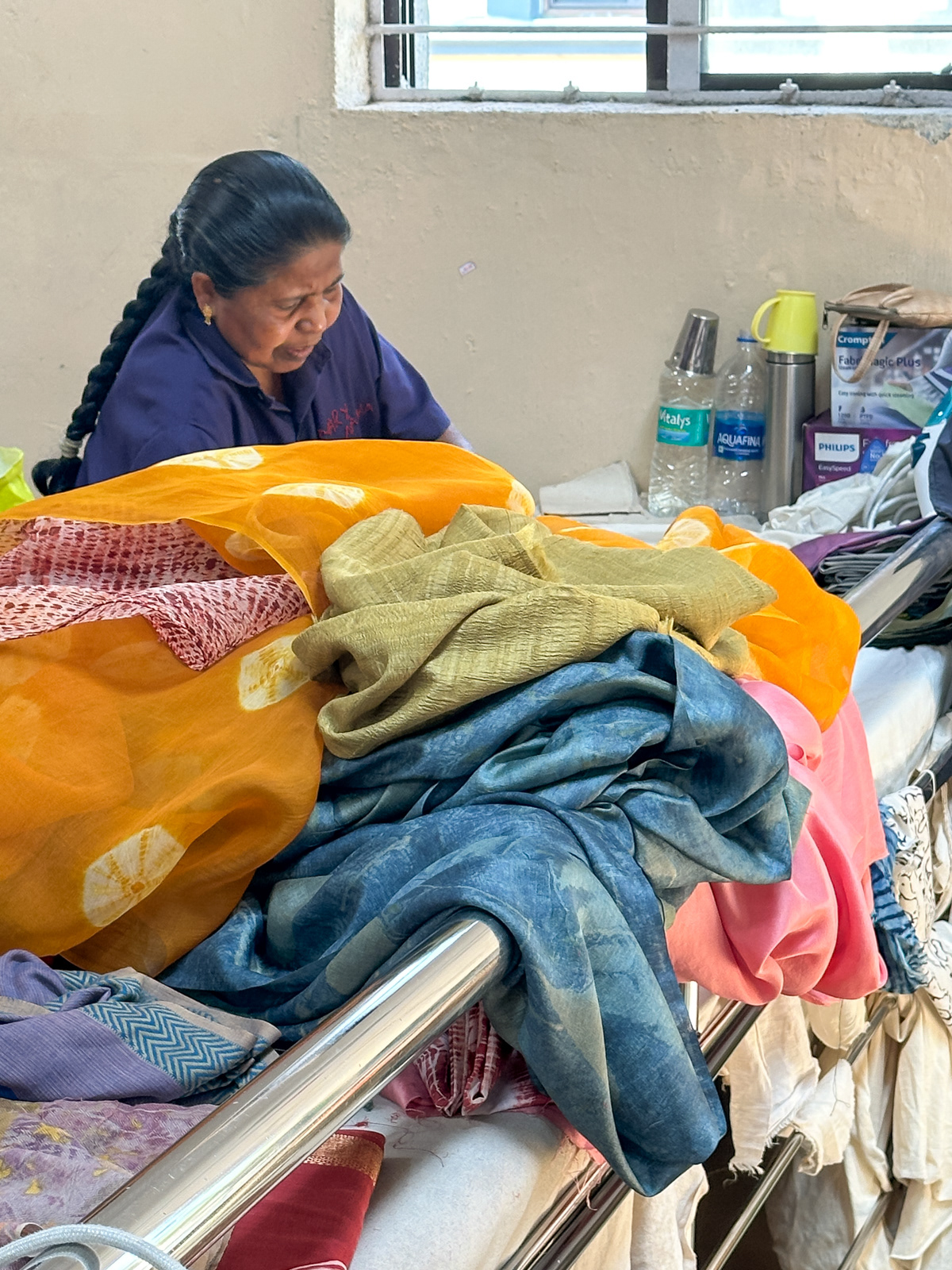
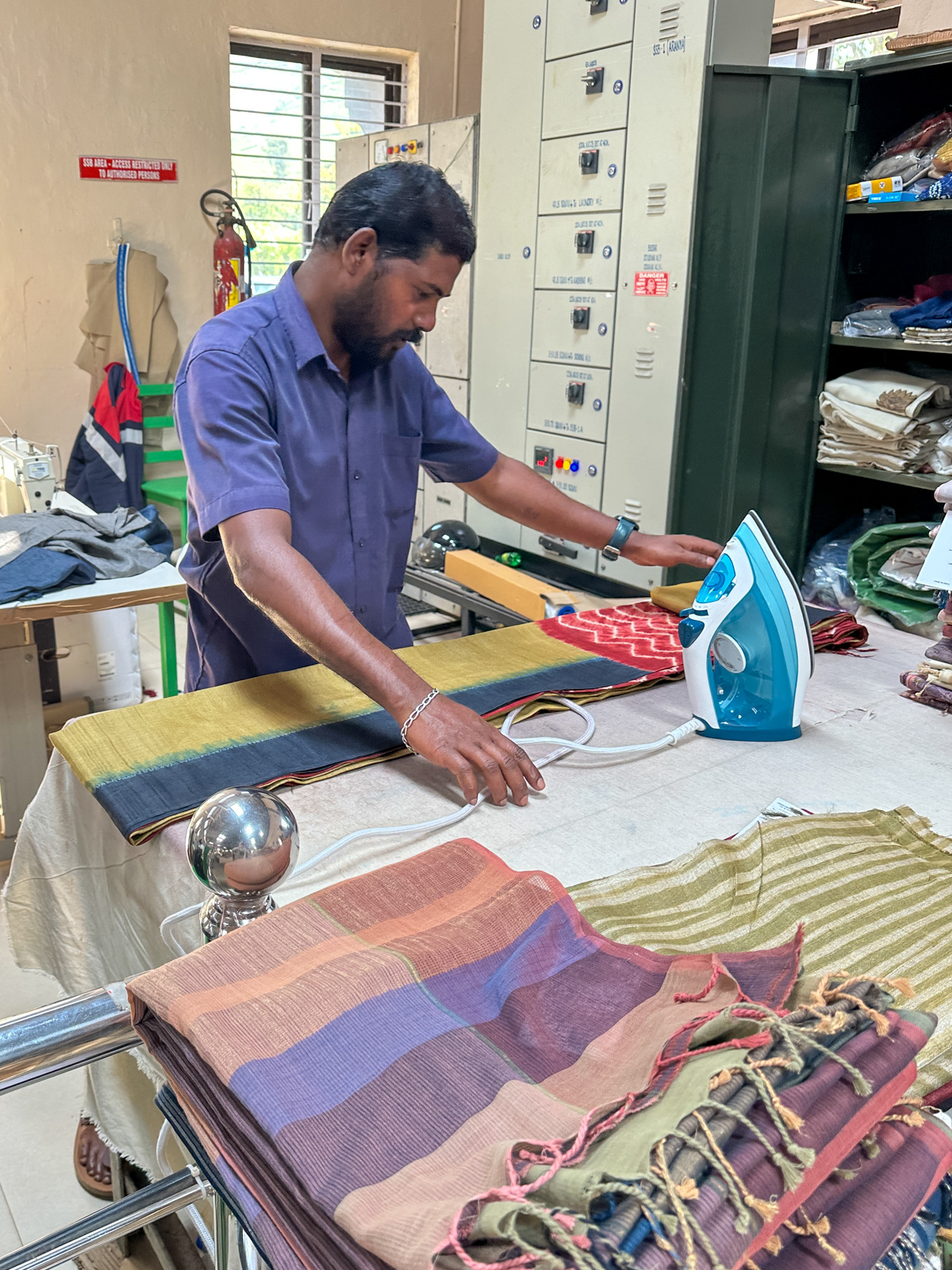
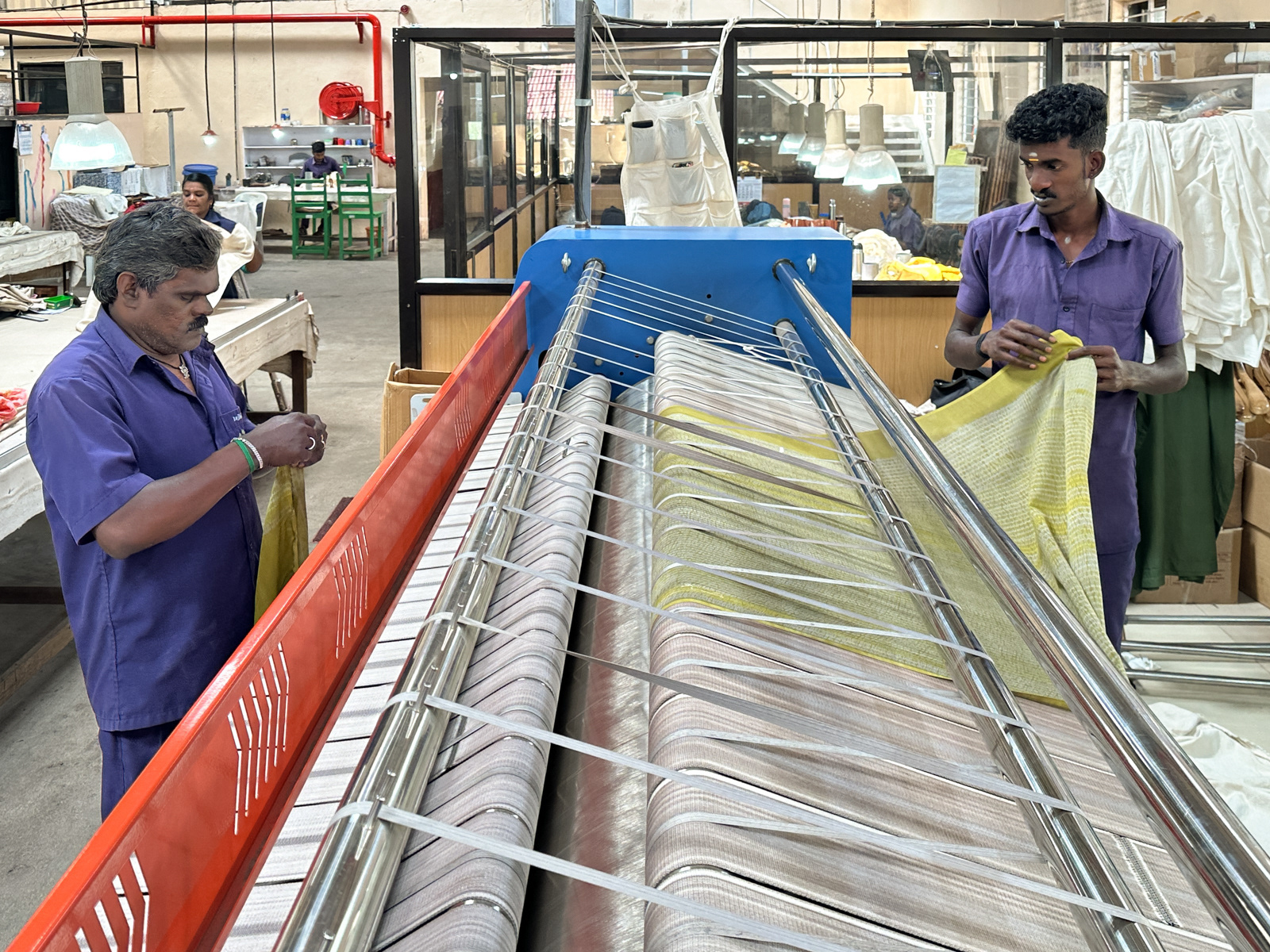
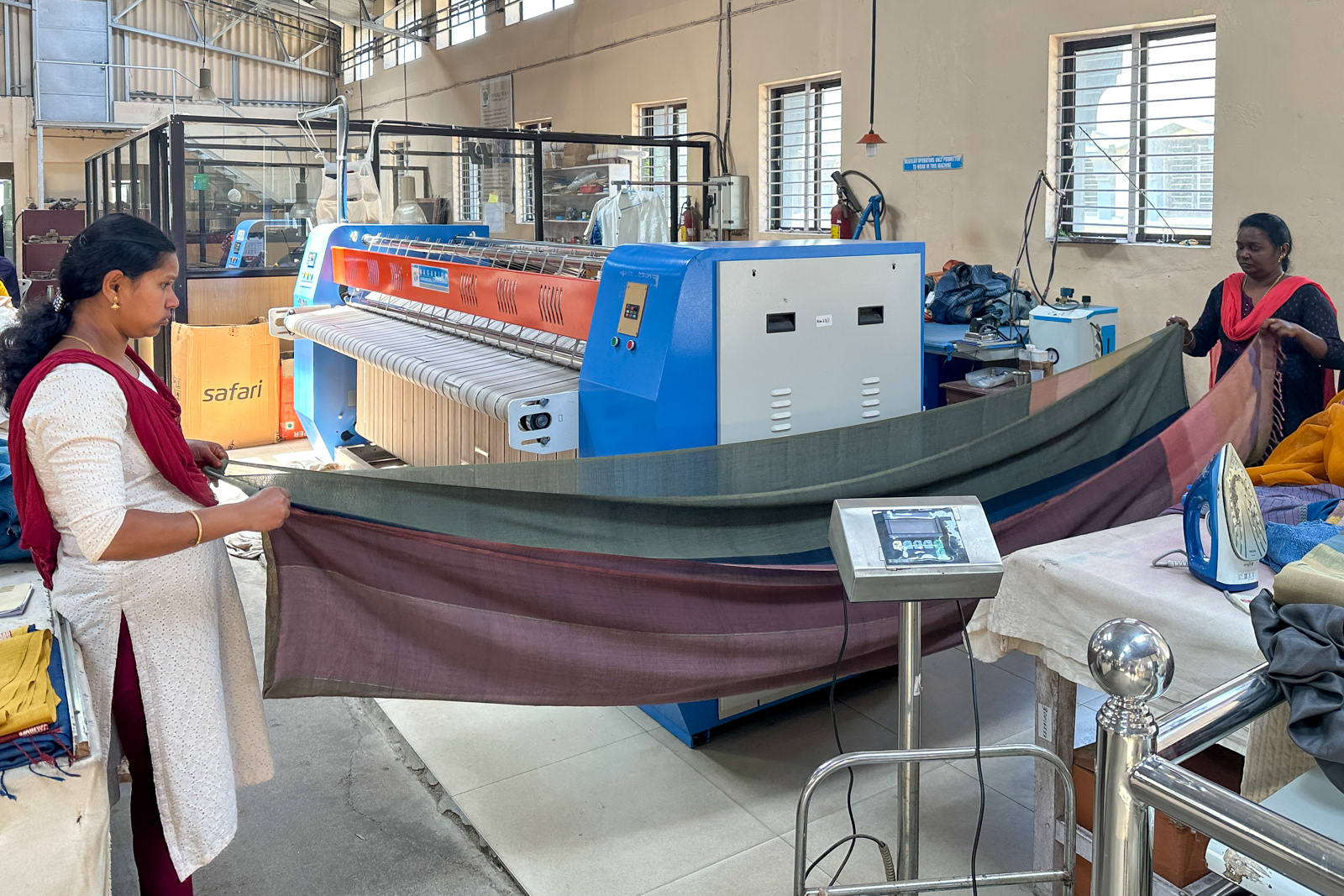
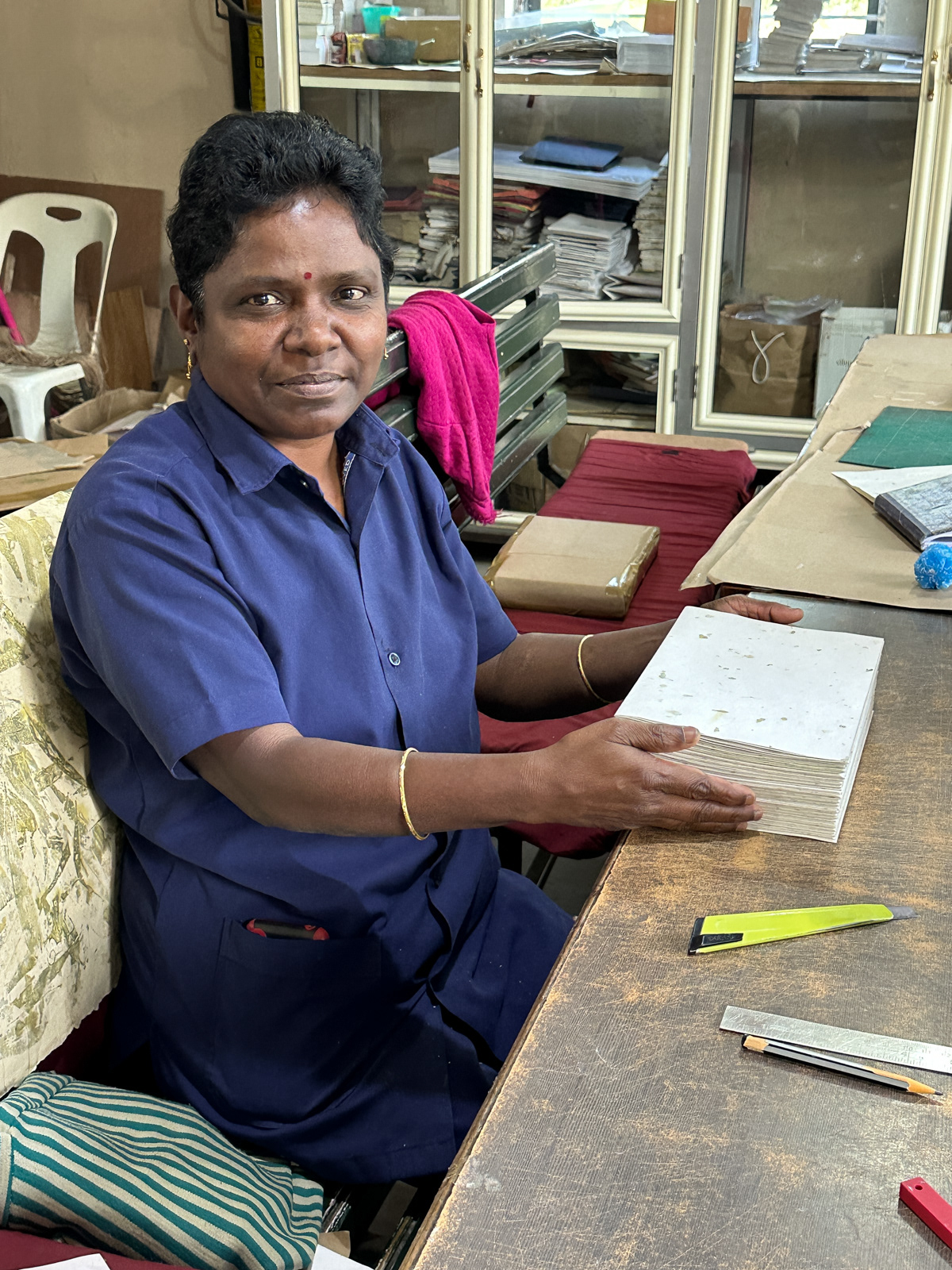
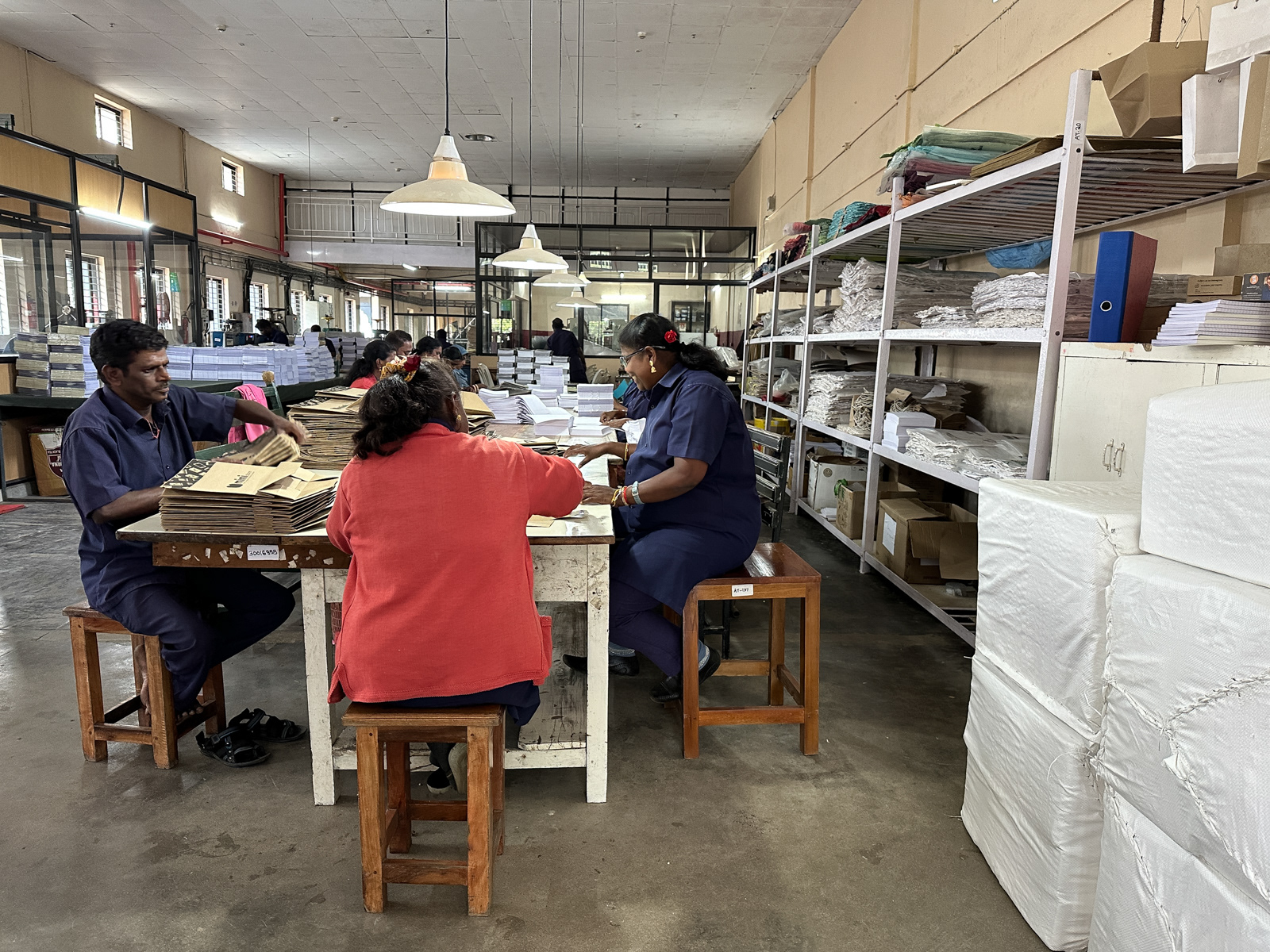
Srishi have set up a variety of different enterprises in the idyllic haven. the fact that they are only using natural dyes in their textile work is hugely exciting and it is great to see the work that Ross and I teach used in a thriving international business.
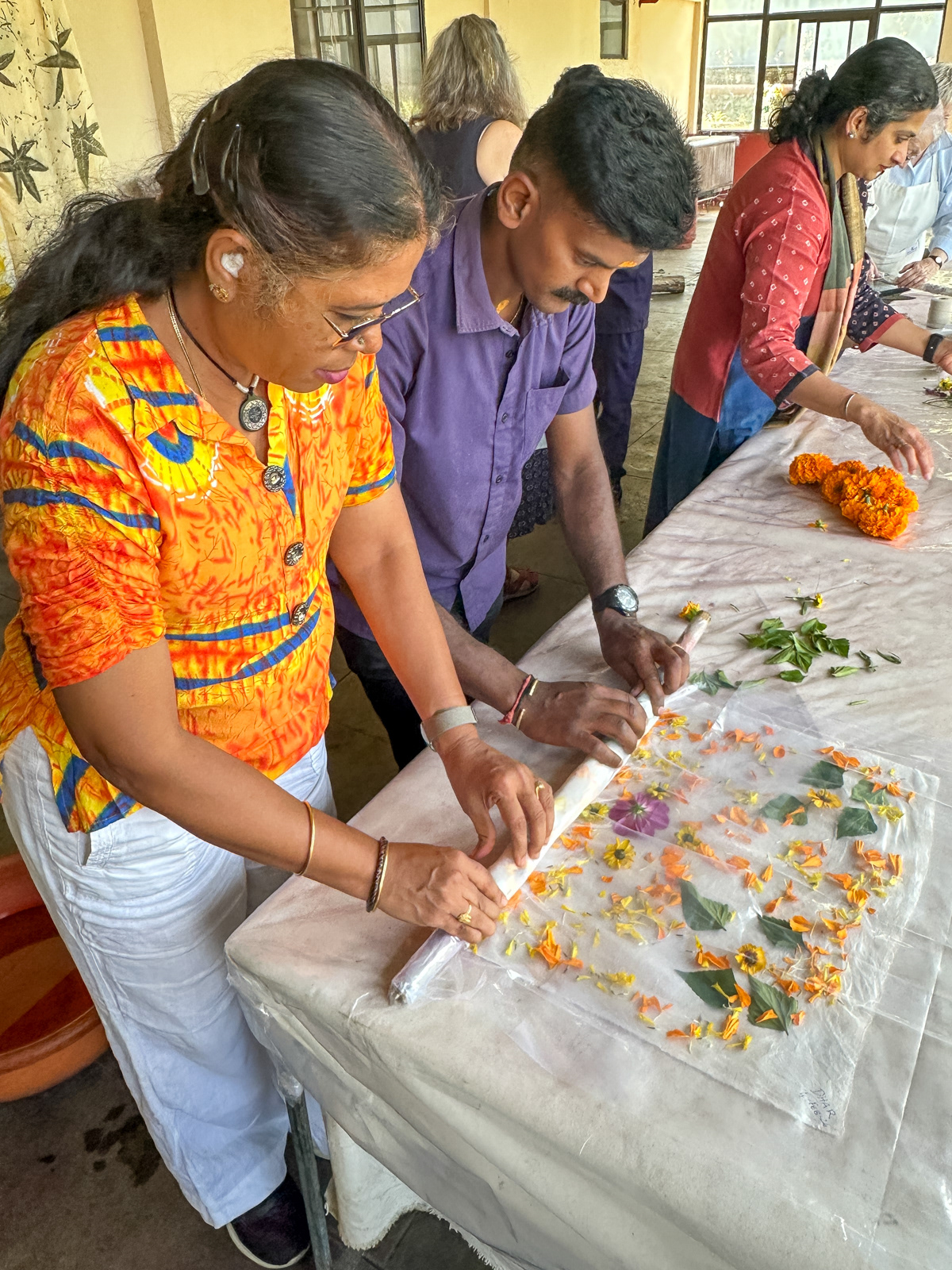
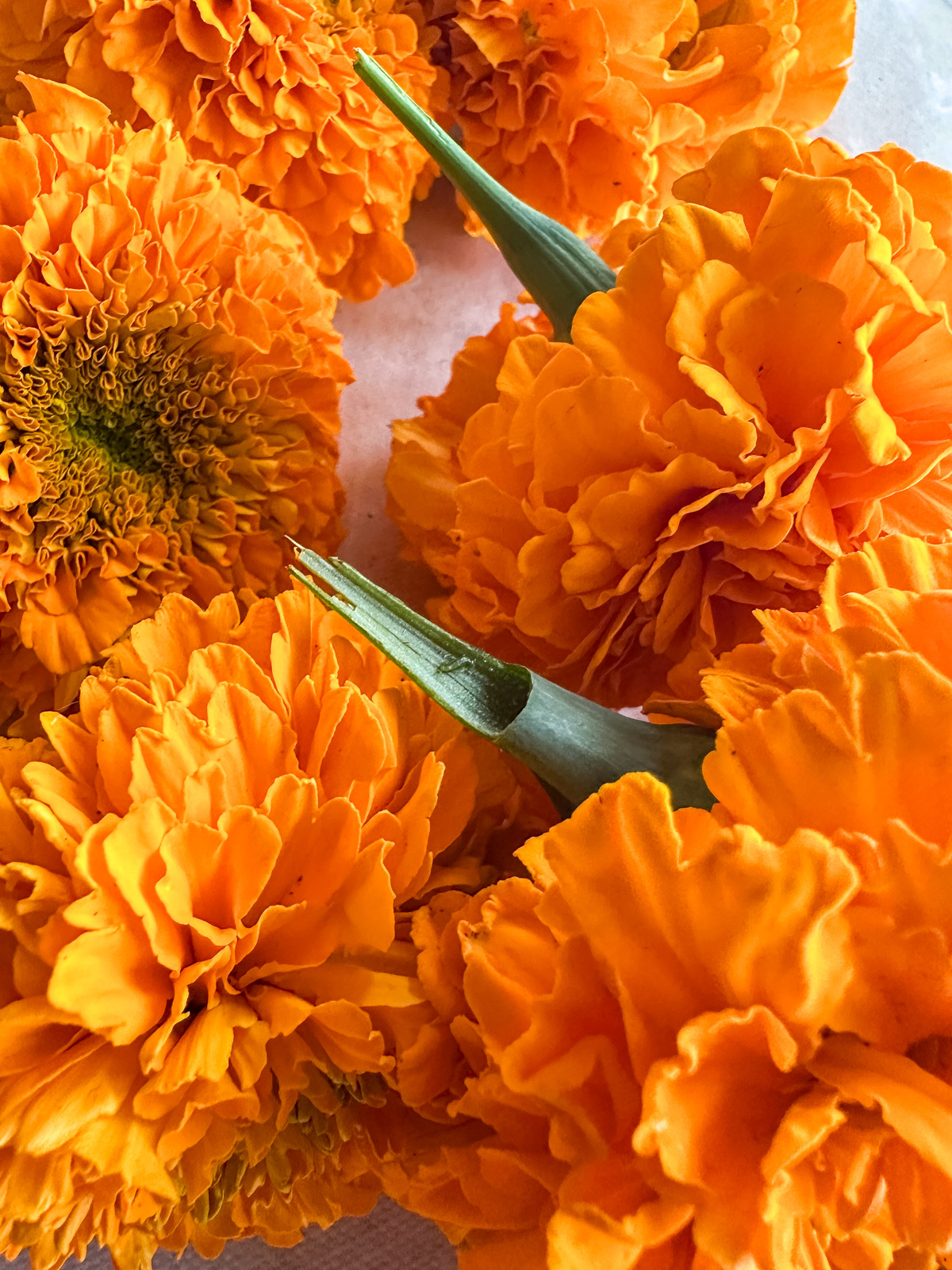
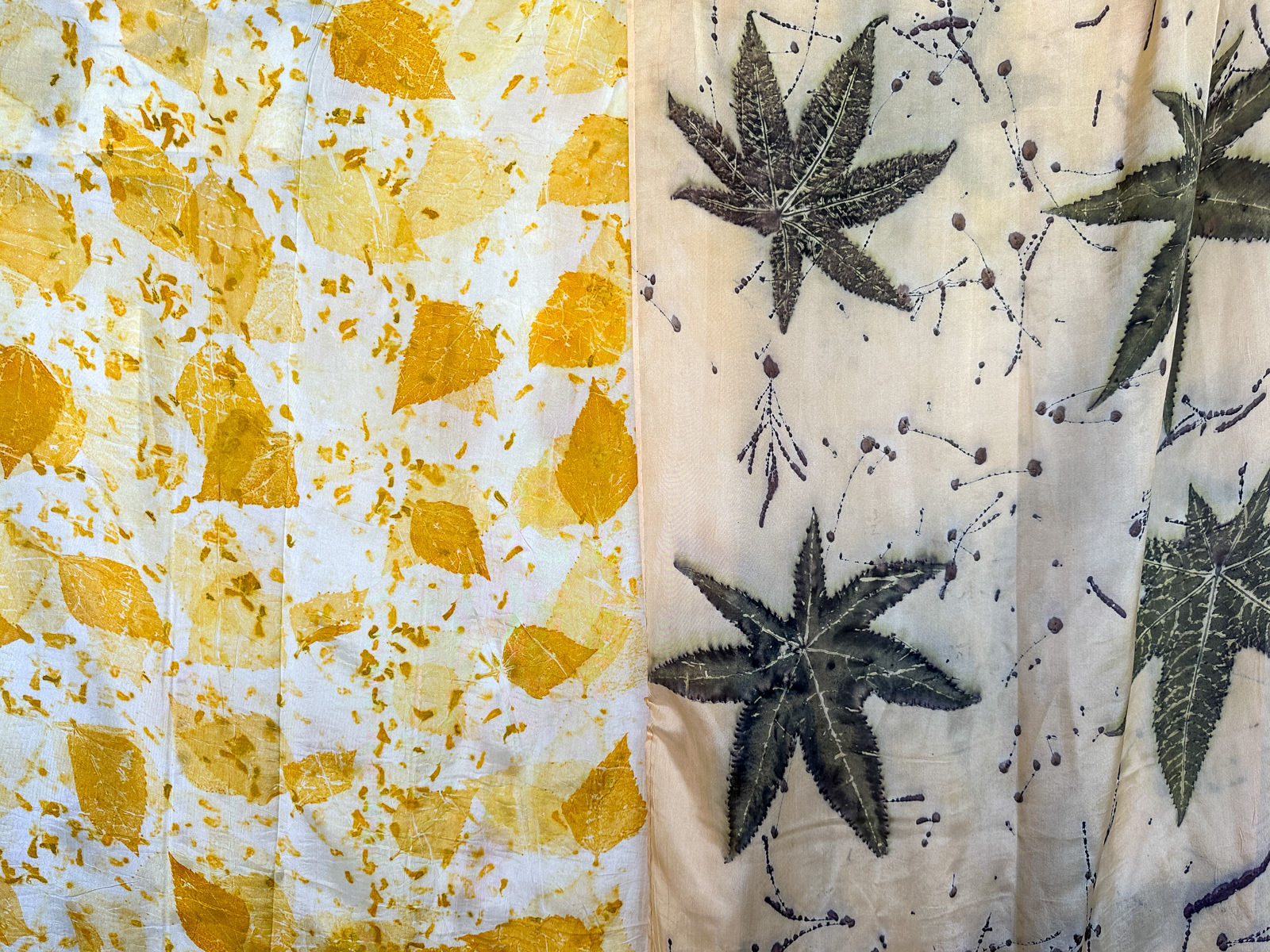
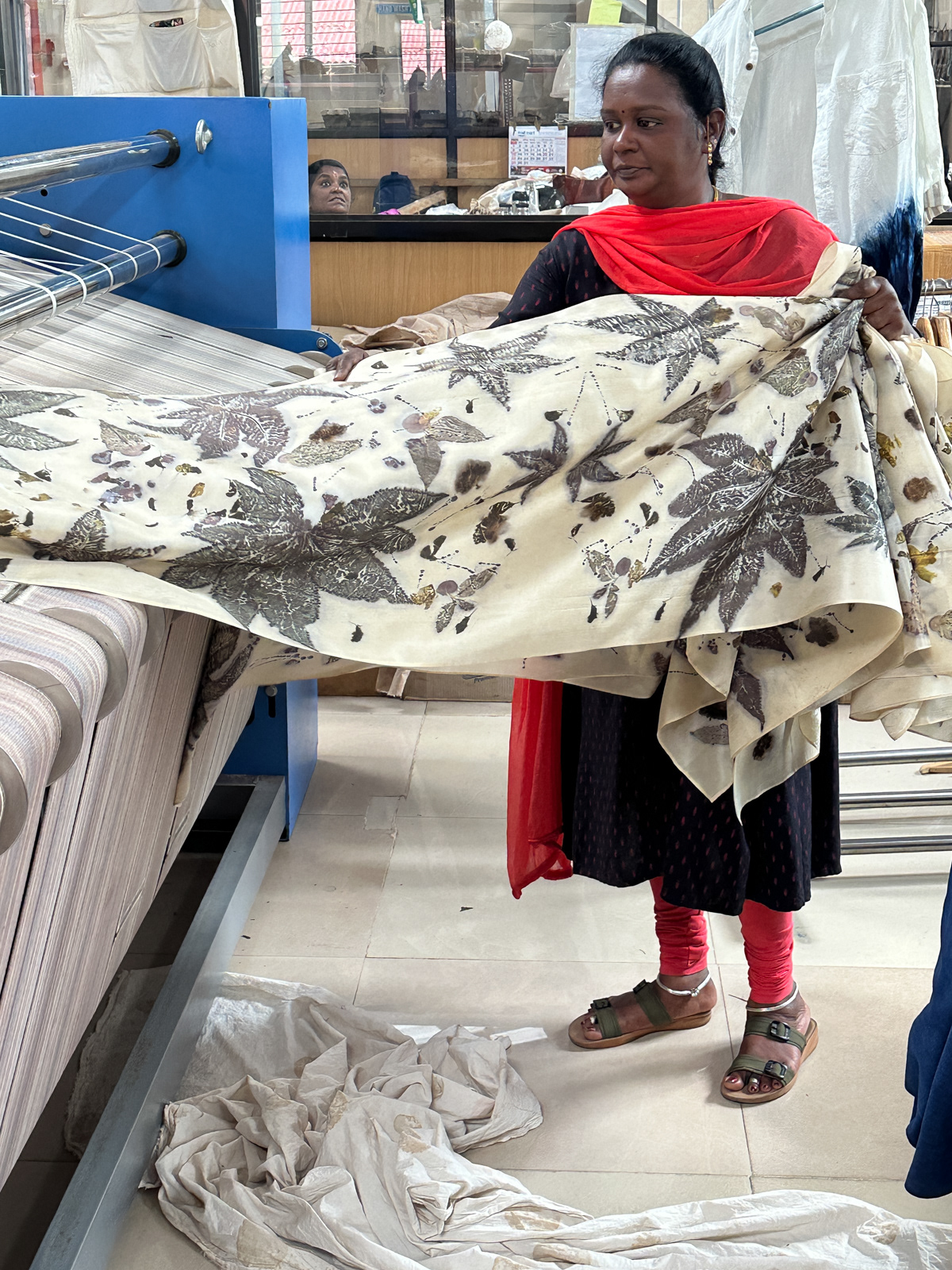
Contact Printing is a form of natural dyeing where the colors from plant material are transferred to paper or fabric via steaming or boiling. Plant material bundled inside of cloth is steamed or boiled to release the dye found naturally inside the plant, creating a contact print in the shape of the leaf or flower used. These contact prints are often referred to as eco-prints. It has its roots in ancient dyeing techniques, where natural dyes were extracted from plants to colour fabrics.
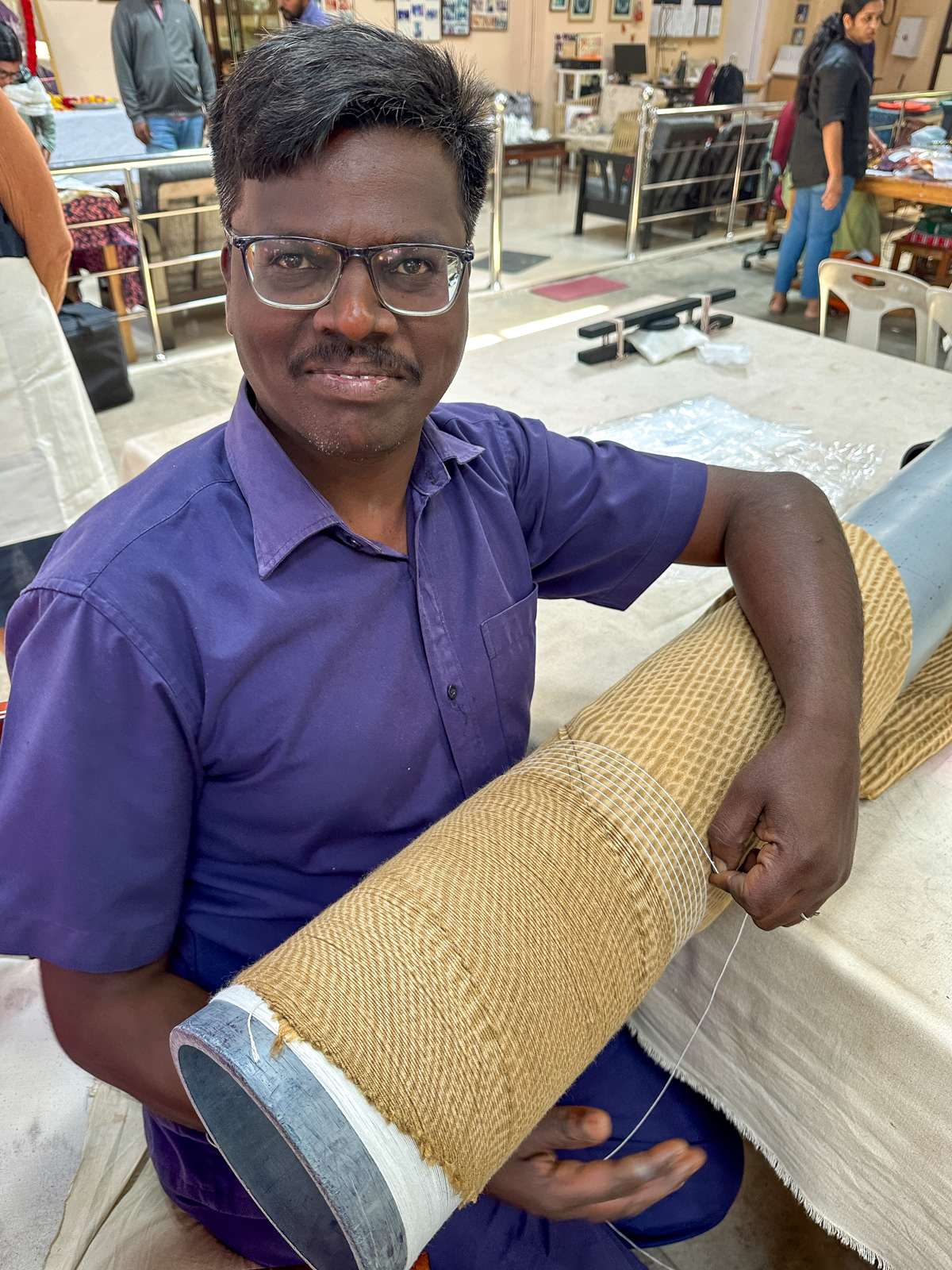
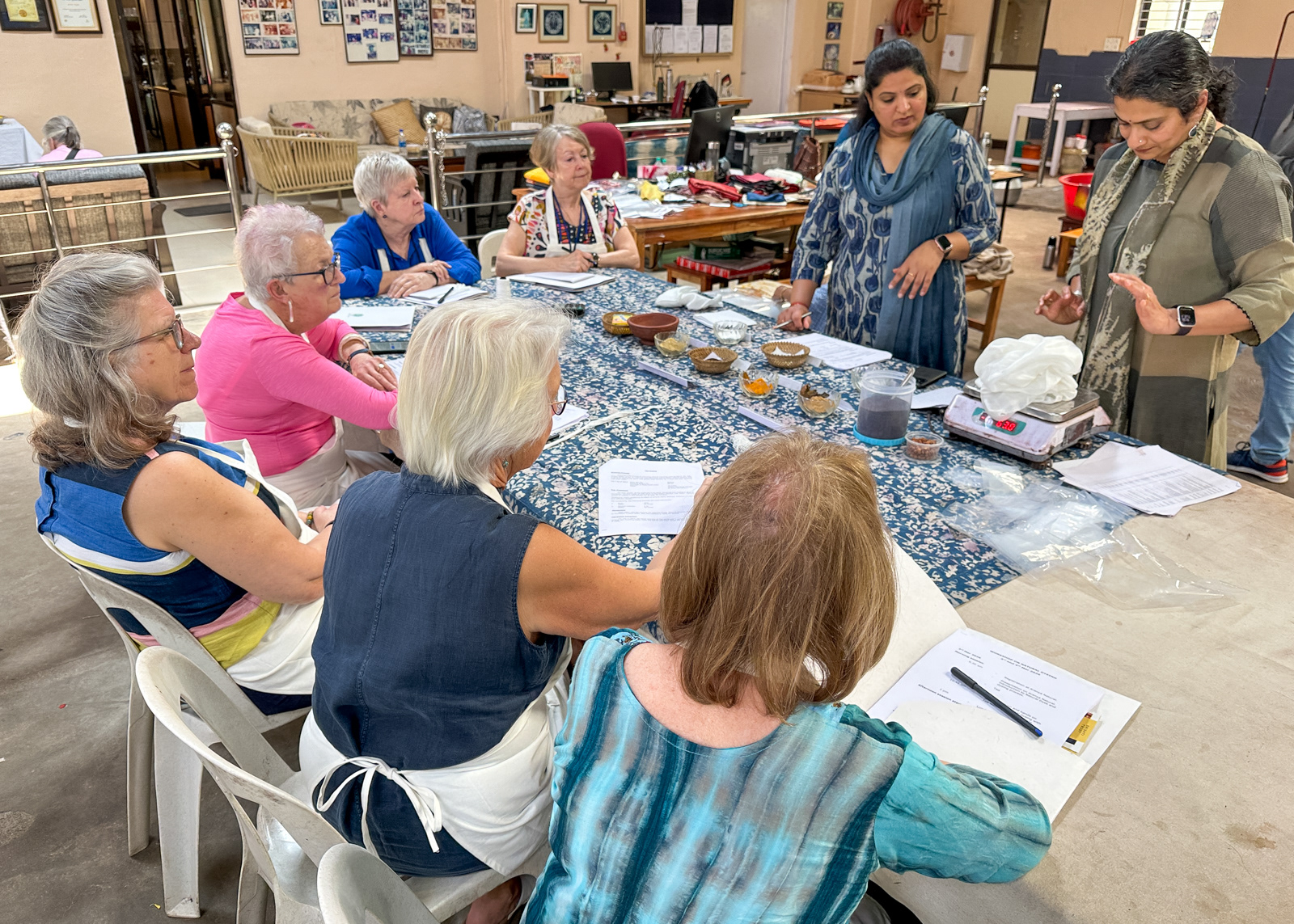
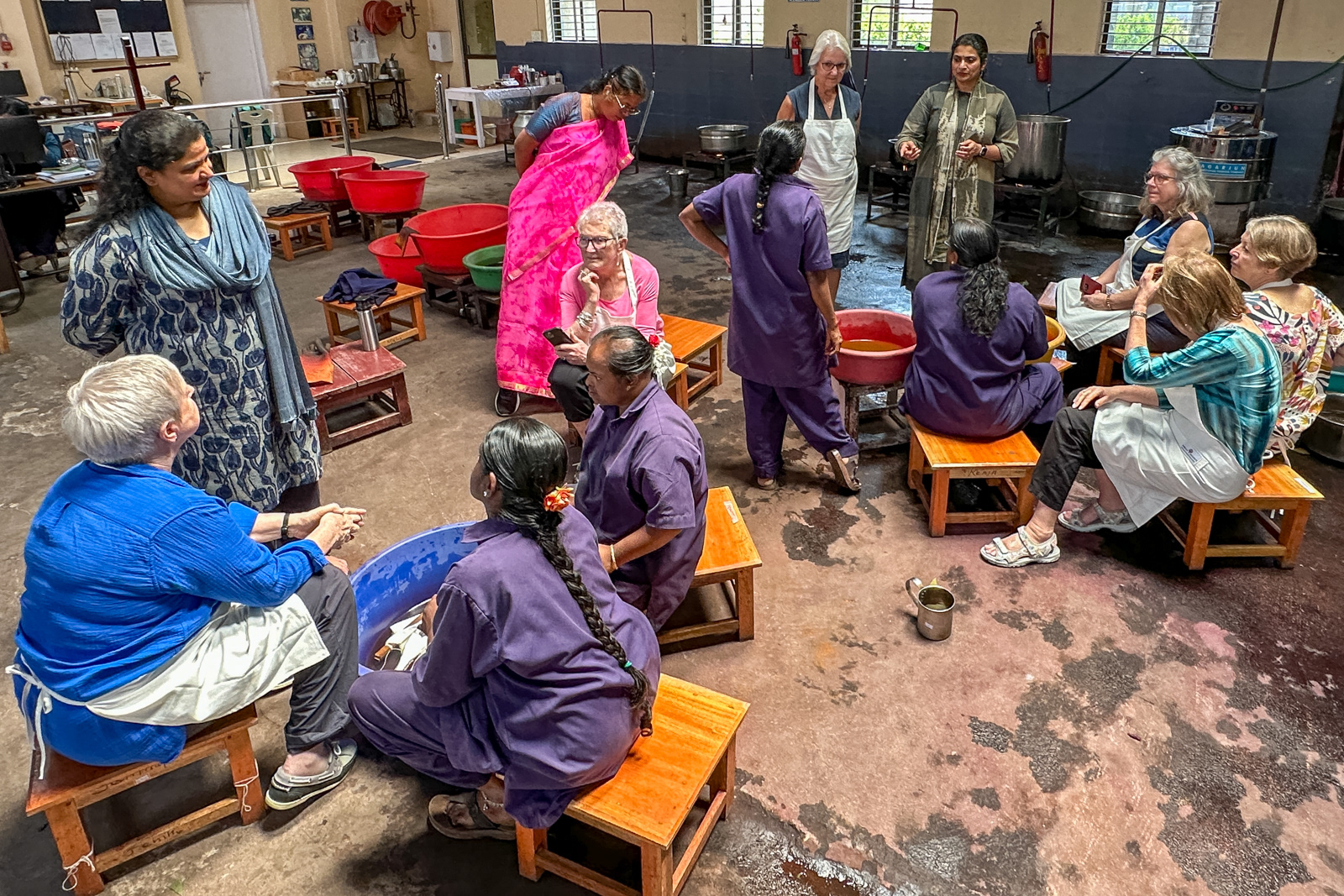
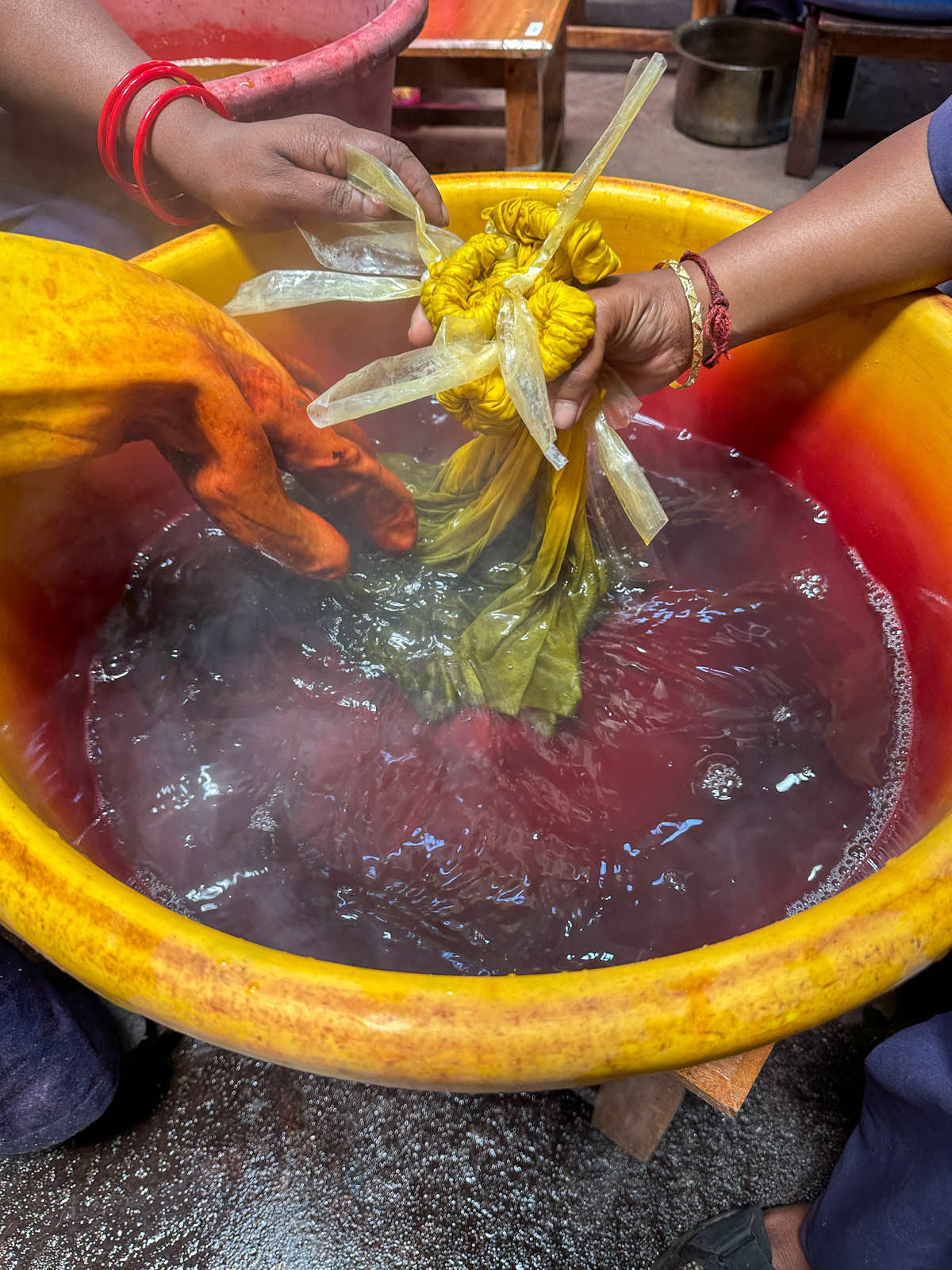
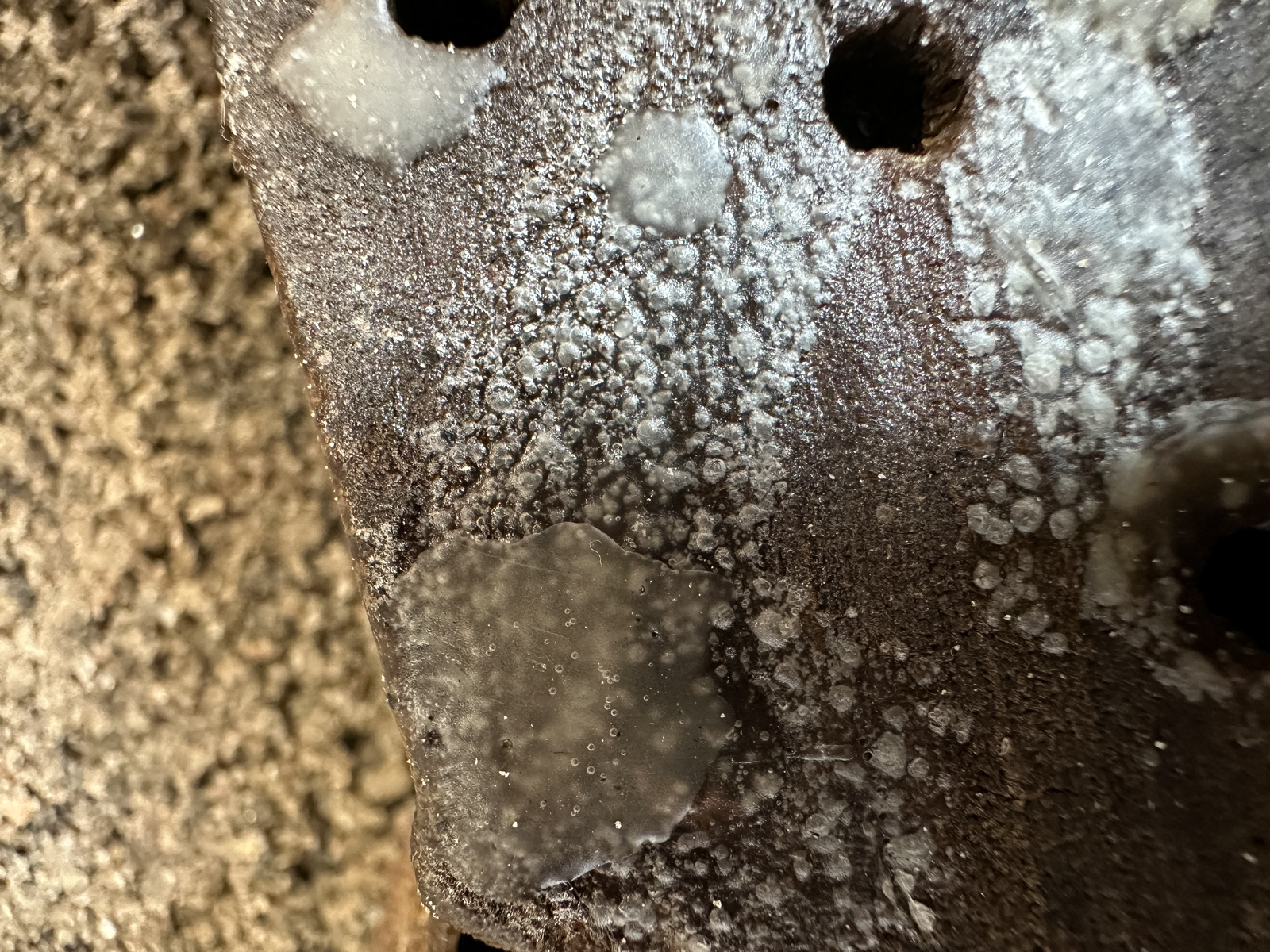
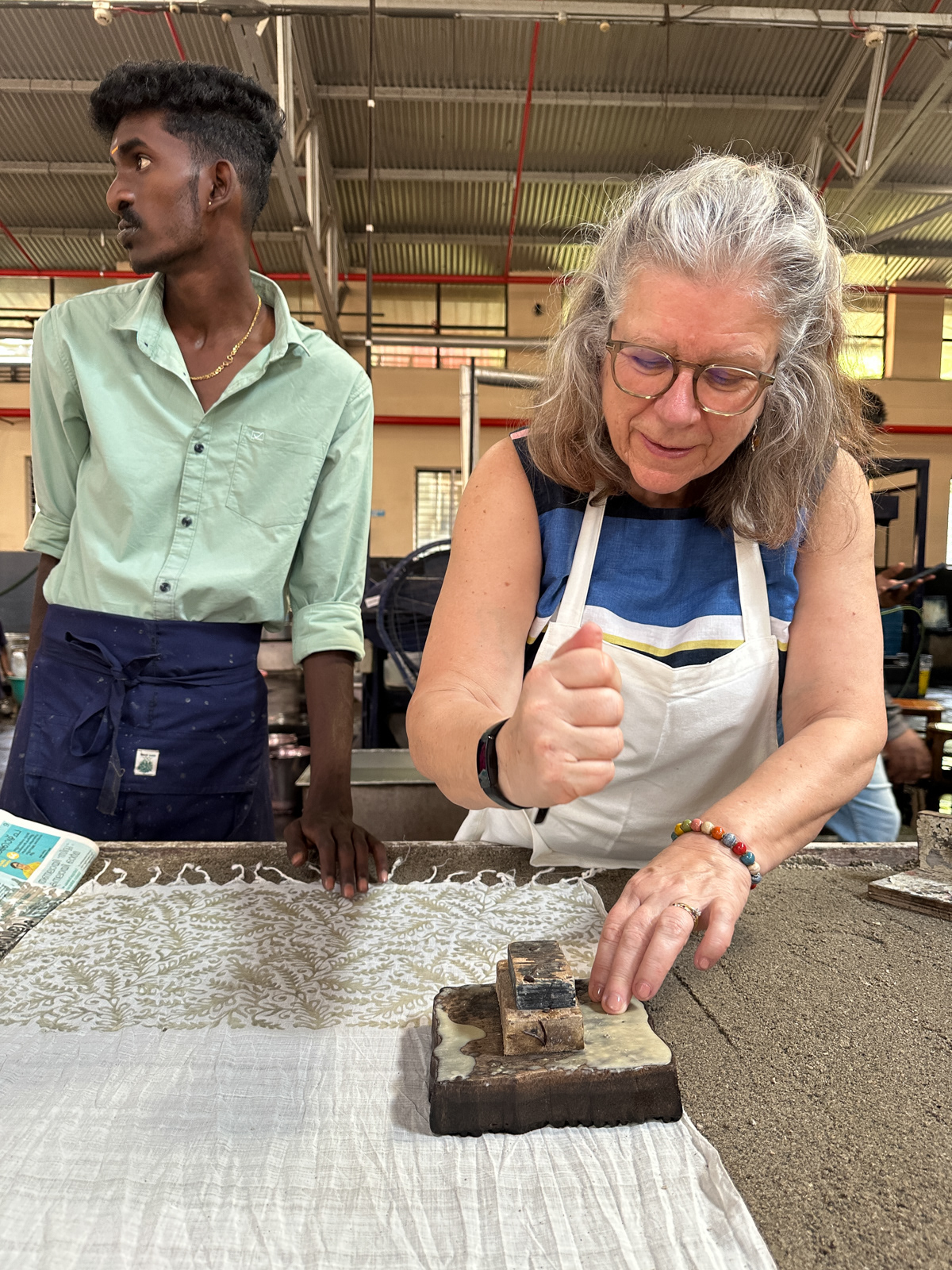
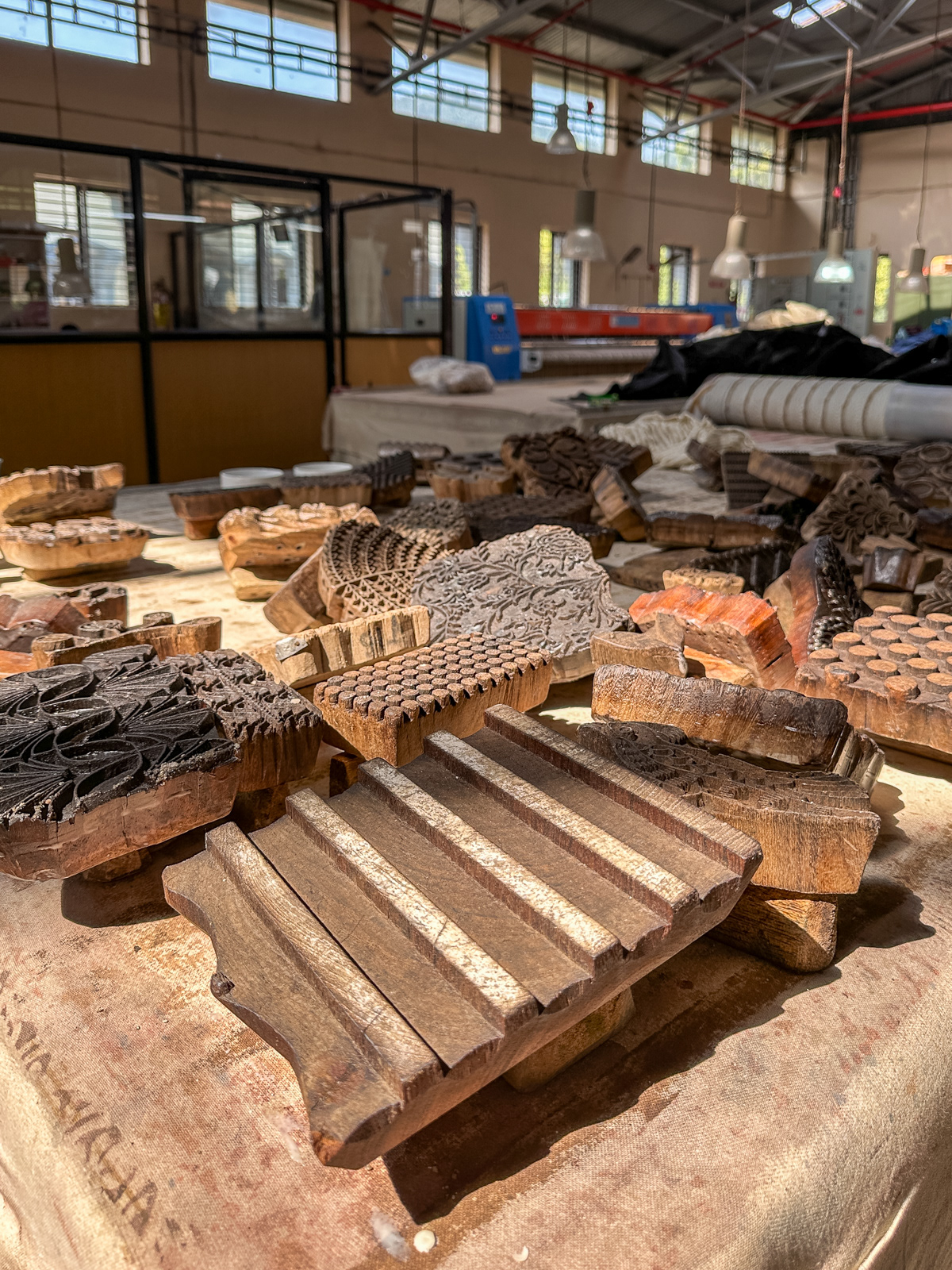
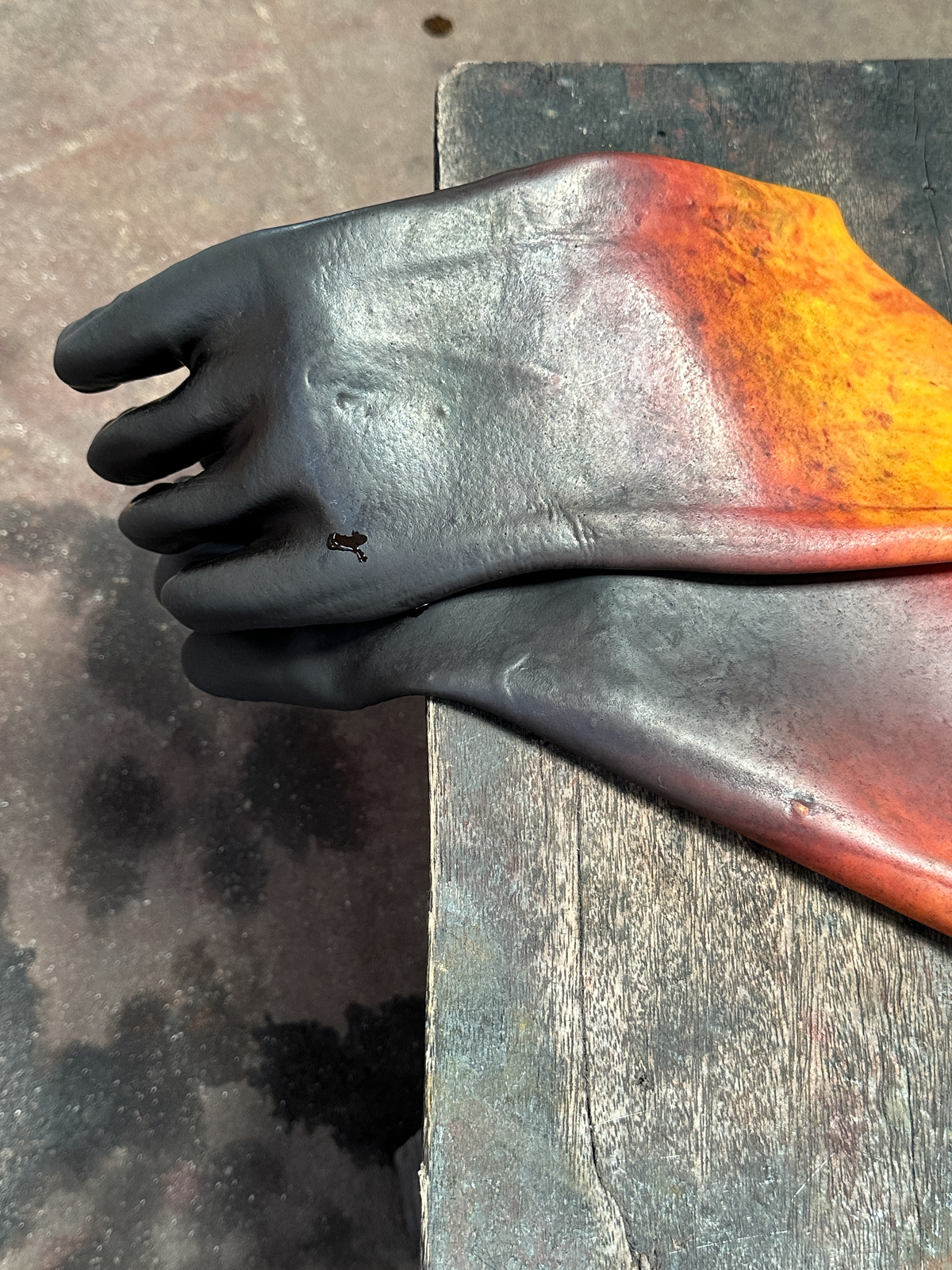
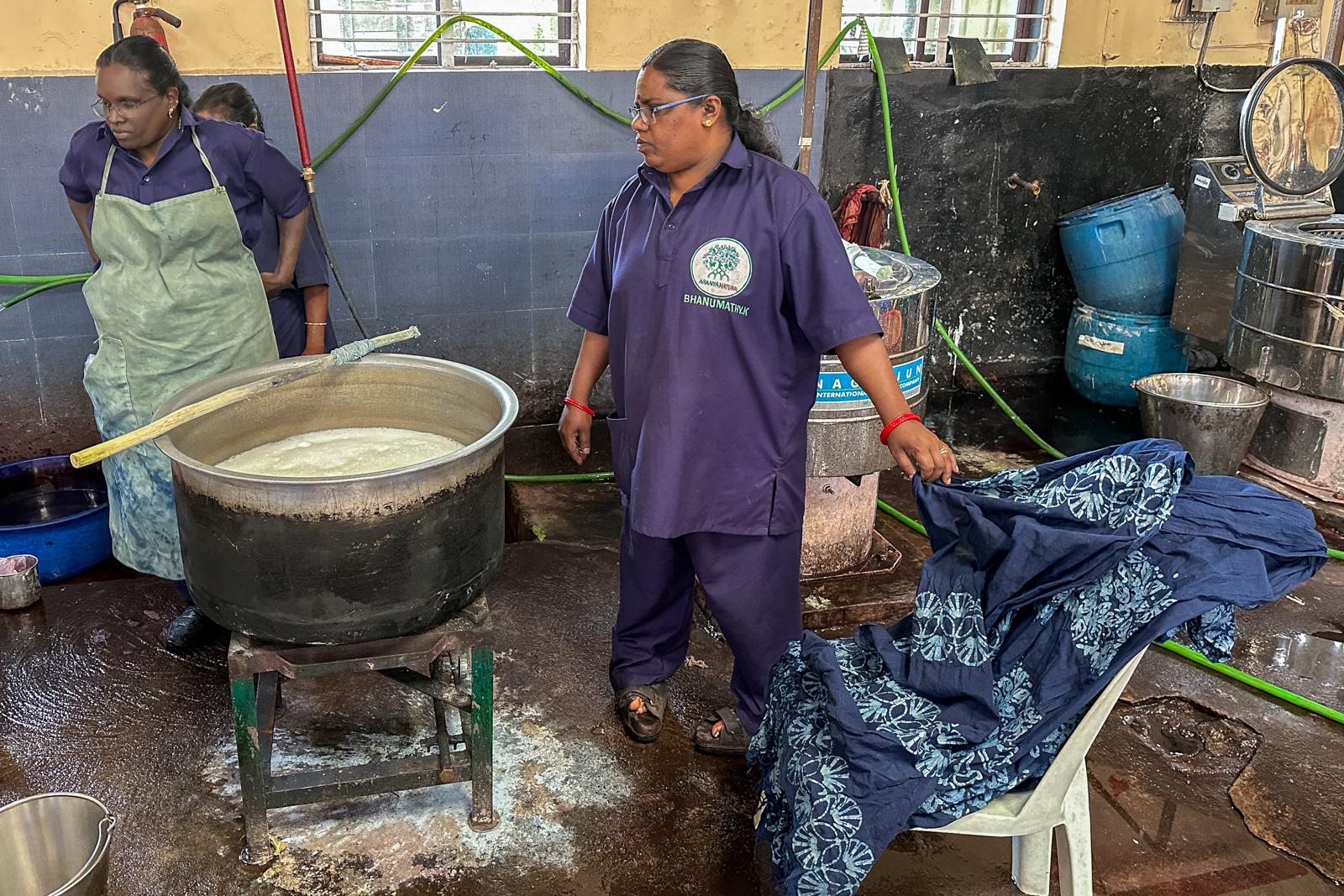
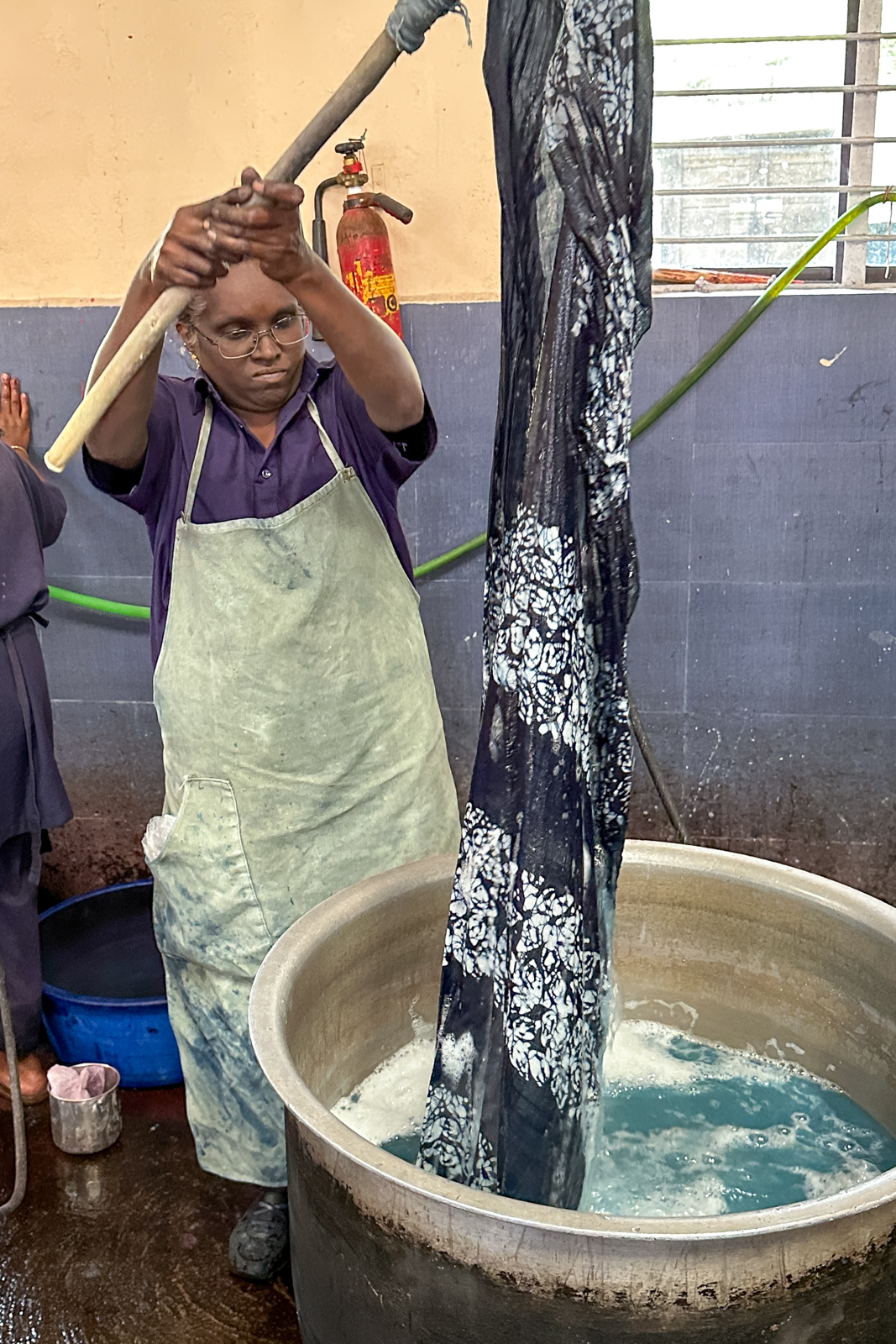
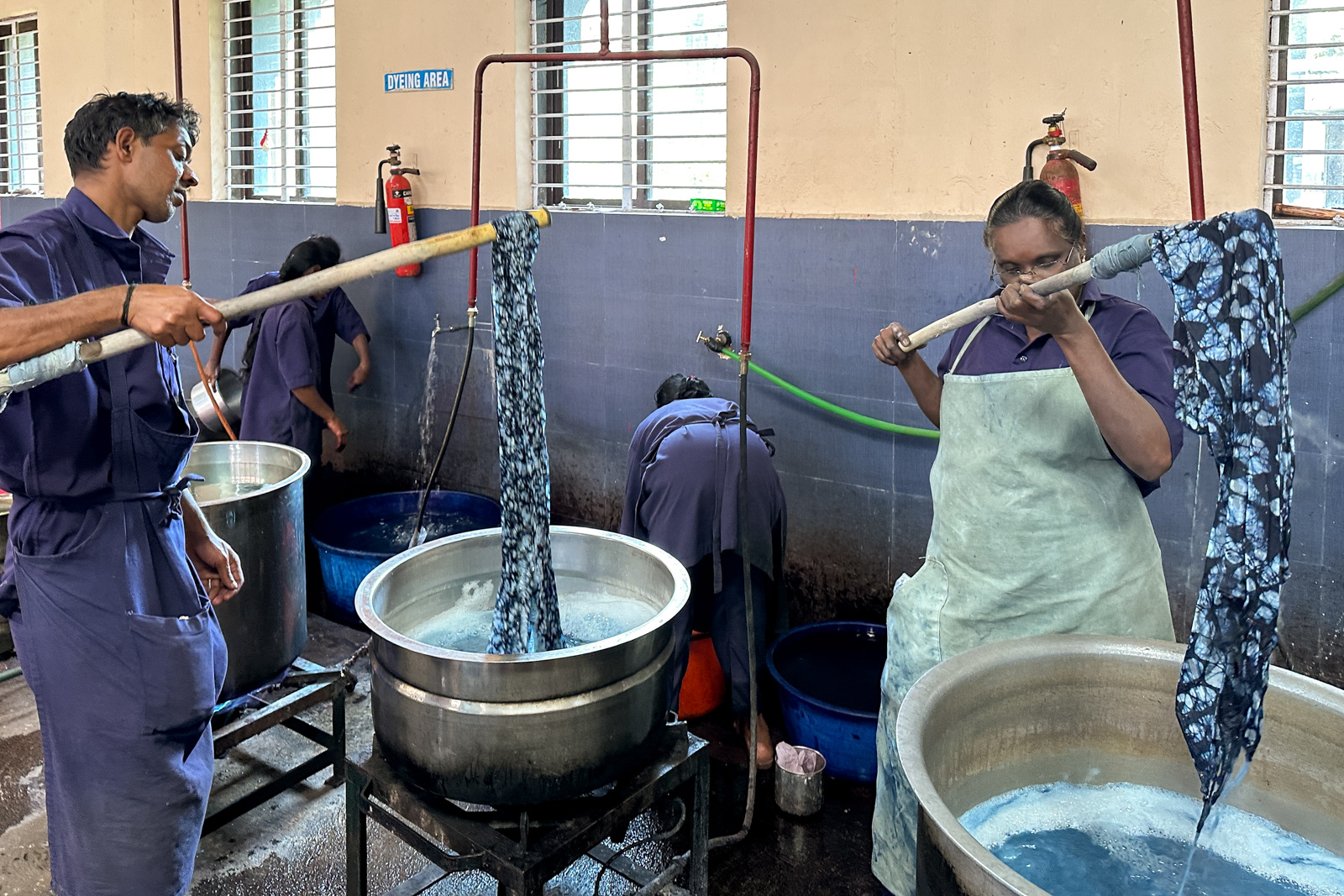
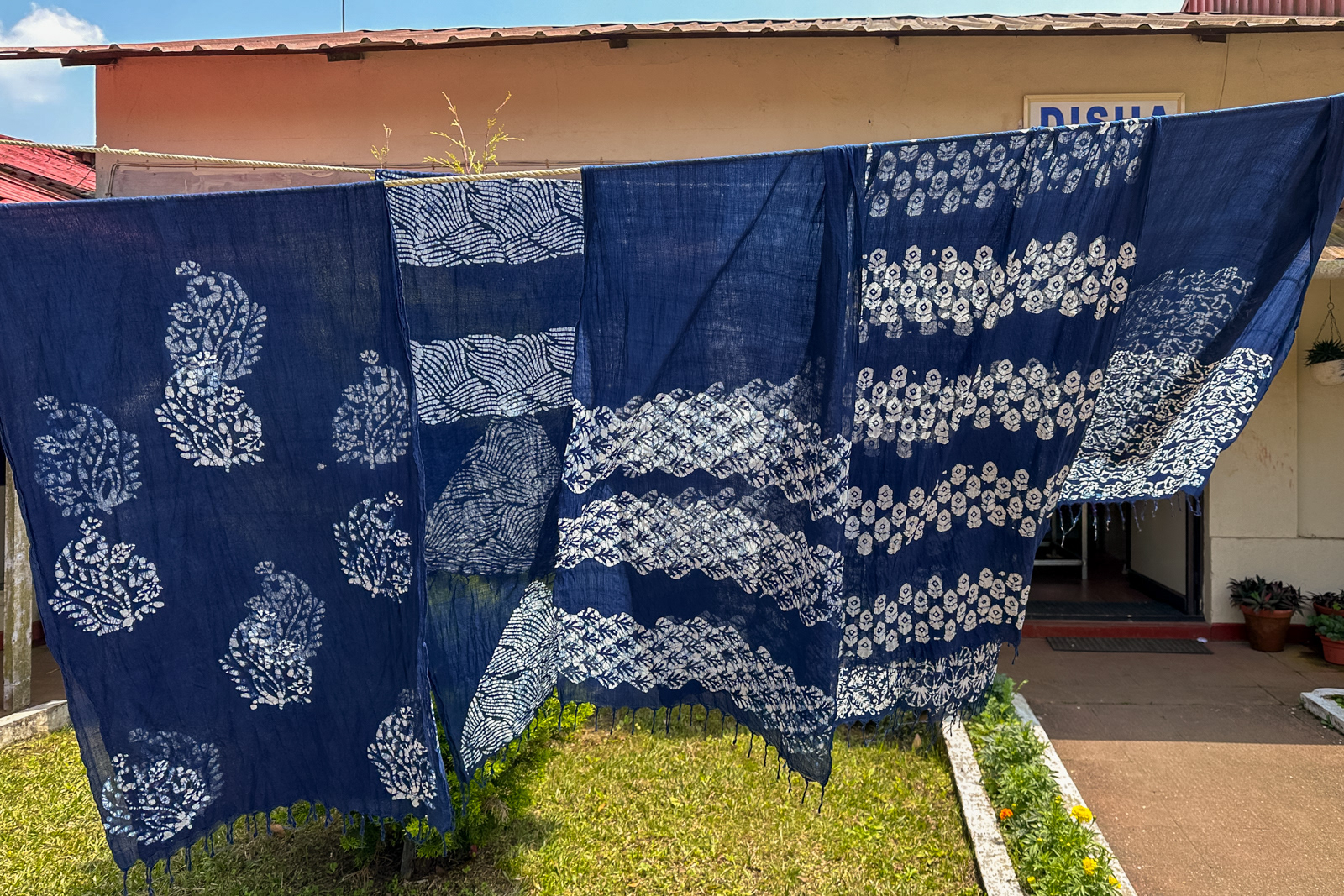
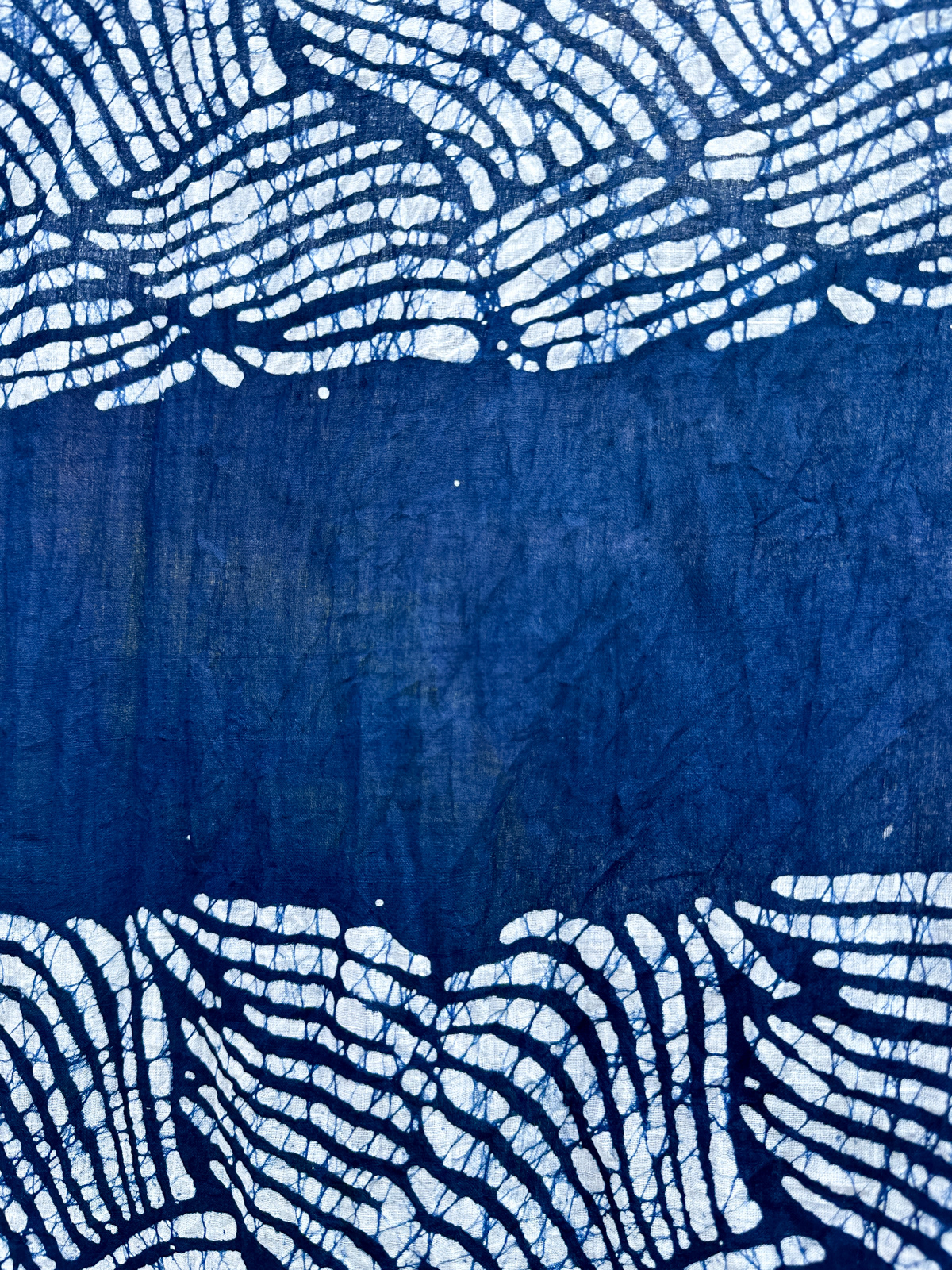
Batik is a form of resist printing using a coat of wax on the cloth. The word ‘Batik’ means ‘wax writing’ and the process involves three stages – waxing, dyeing and dewaxing. The wax is first melted in a metal tray with the help of a kerosene stove. Then, a carved wooden block is immersed in the melted wax and printed on a white cloth placed on a table. Prior to this, sand is spread on the table surface, which helps the wax penetrate into the cloth and to cool down quickly. The process can be a single print process, or it can be done multiple times to produce more complex overprinted patterns. The wax-resist is removed by immersing the cloth in boiling water, and often reused. Lastly, the cloth is dried and pressed.
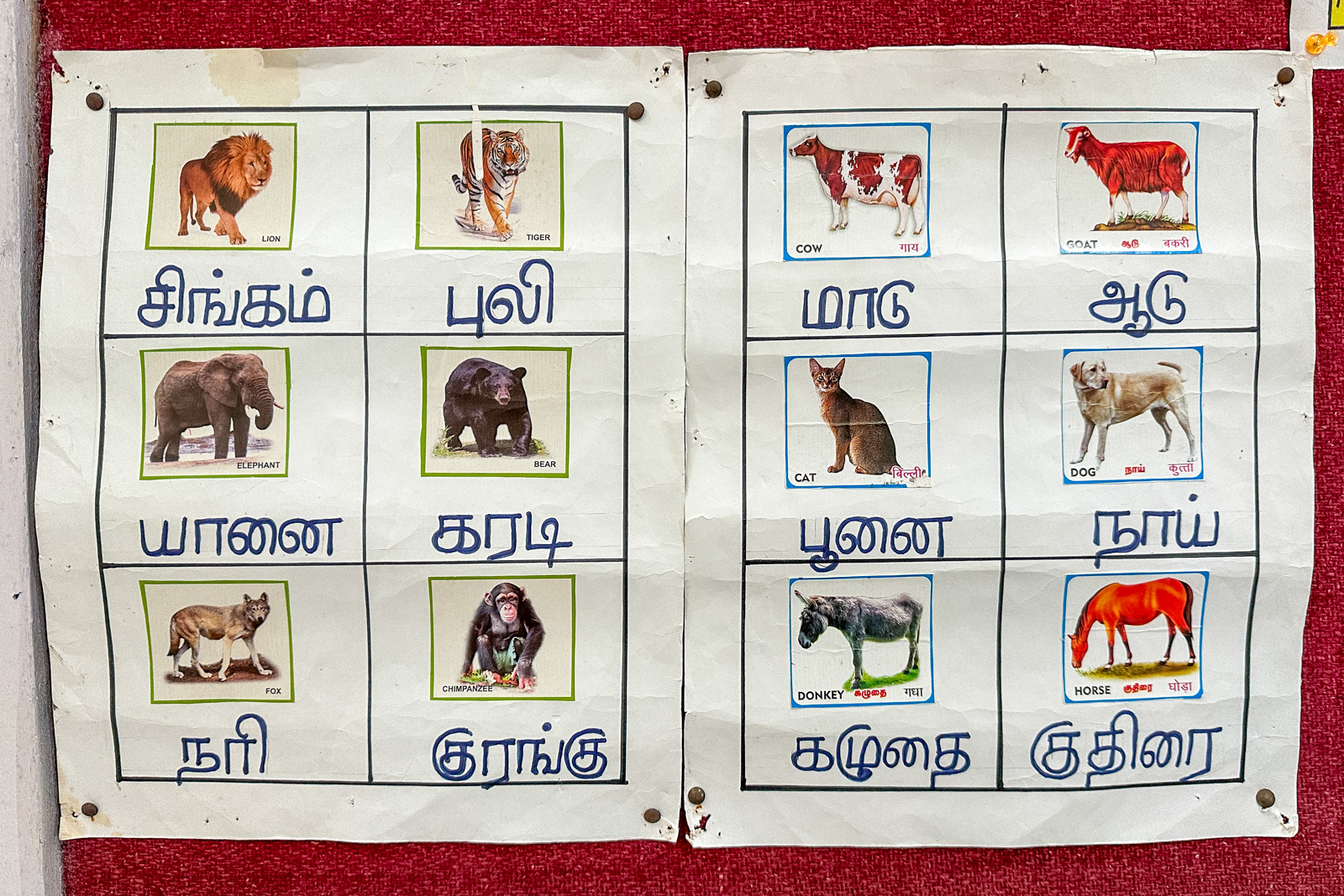
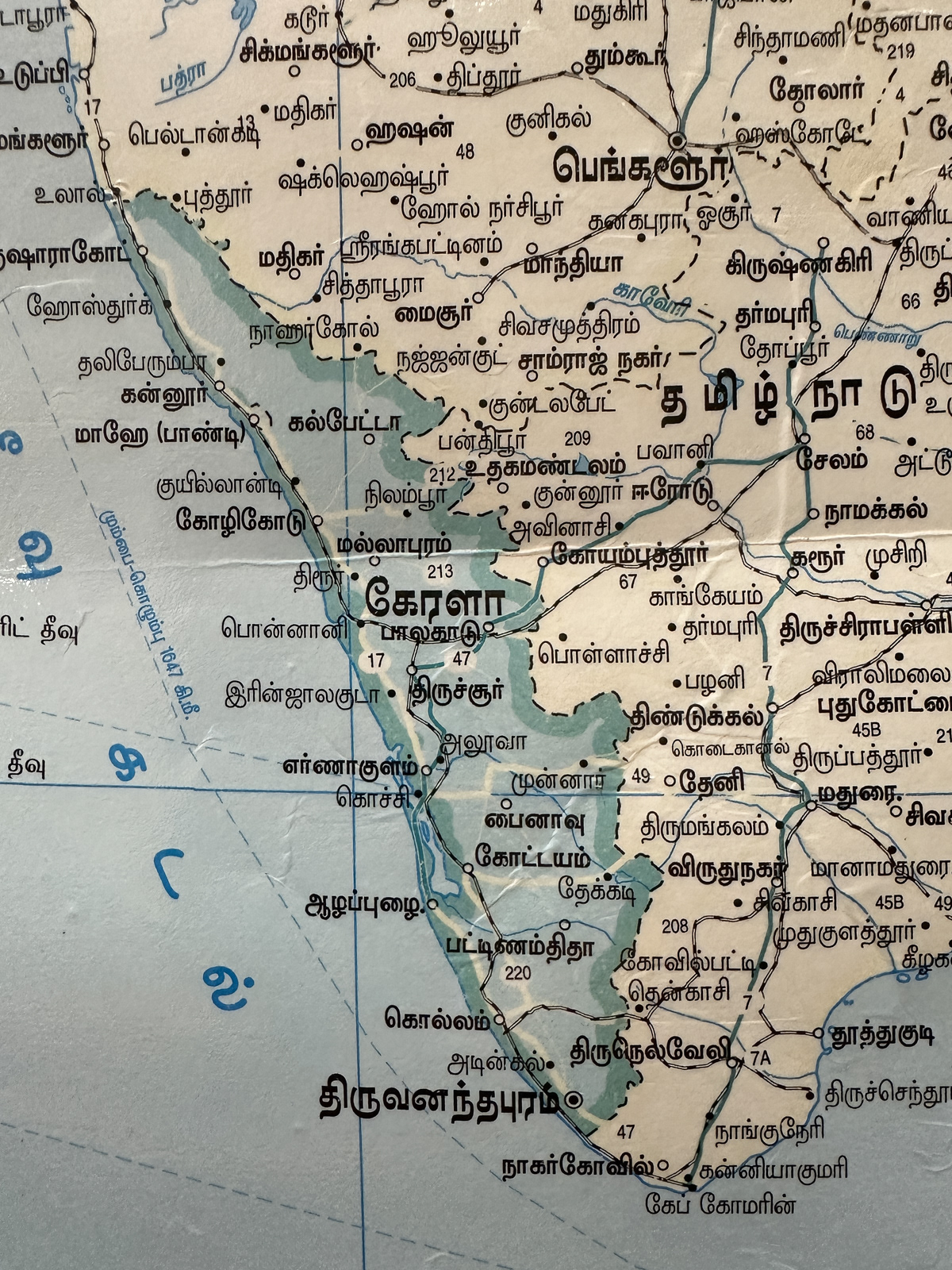
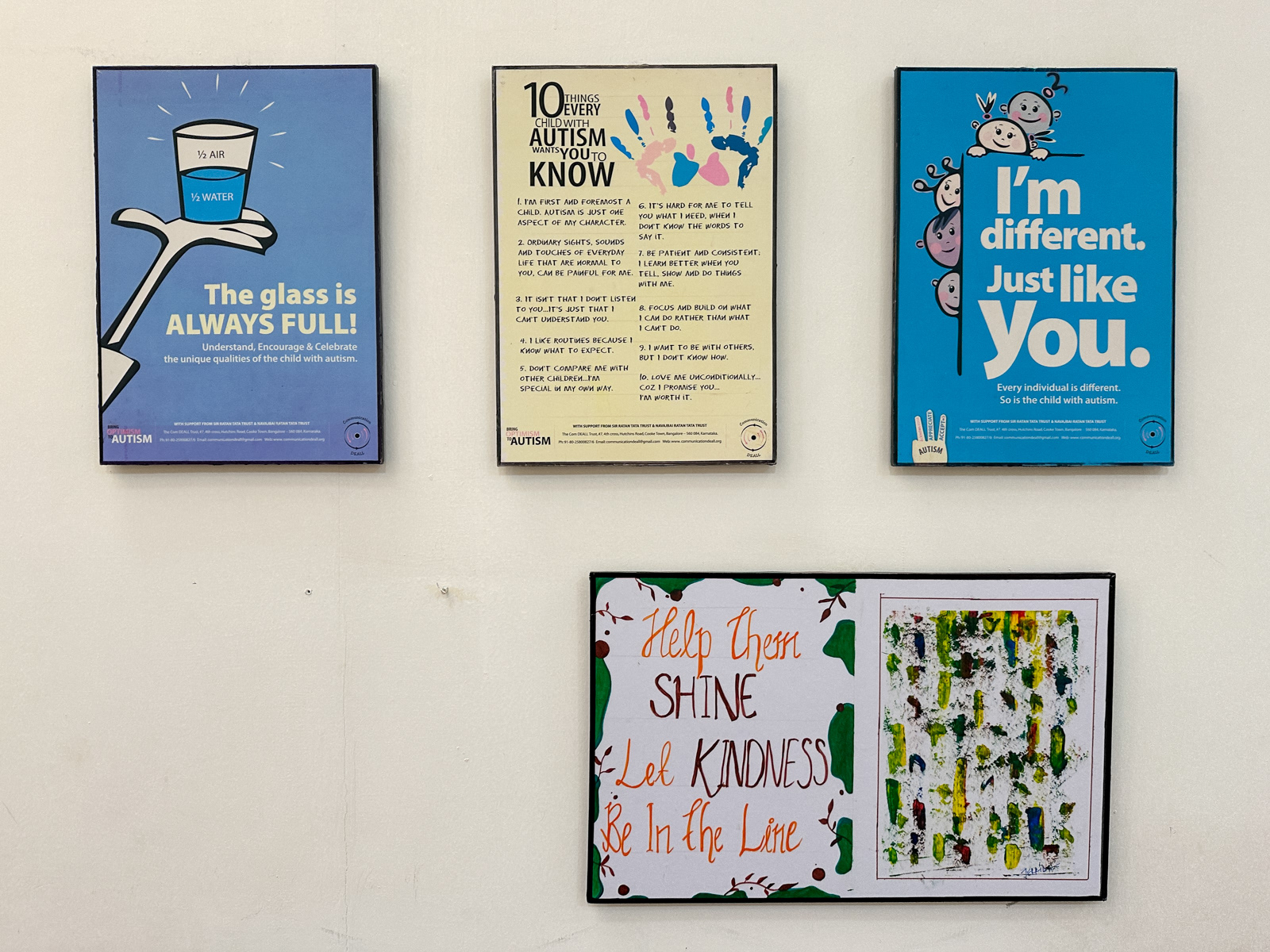

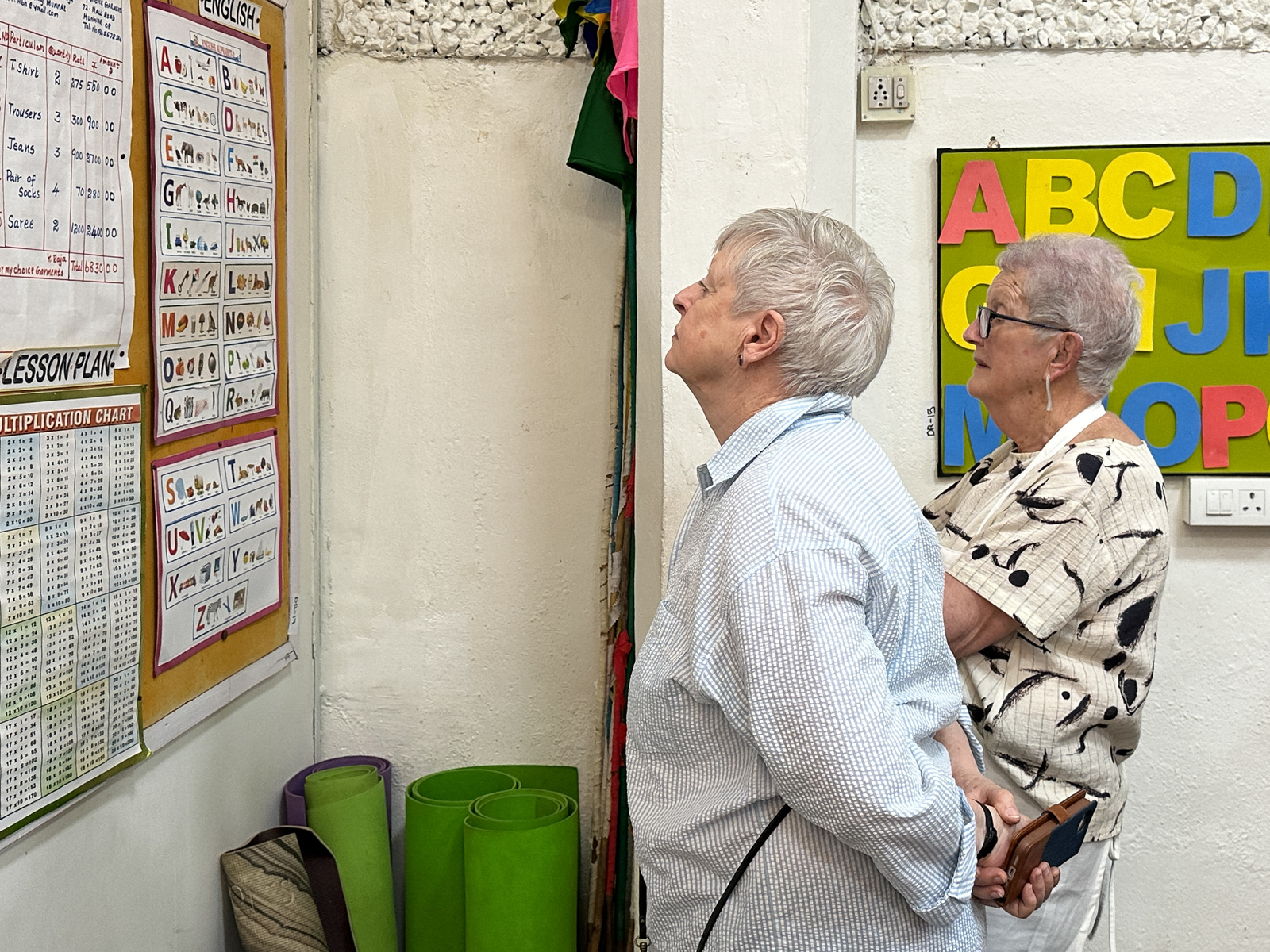
The children of the rural plantation community, many of whom are differently-abled with both mental and physical challenges, are incapable of looking after themselves. As they grow older they lack the special education required to make a livelihood or integrate into society. Trained teachers provide a fully rounded education for the children. The kids and young adults are also helped with vocational and self-help skills. This allows the children to move into a trade supported by the Trust when they leave school.
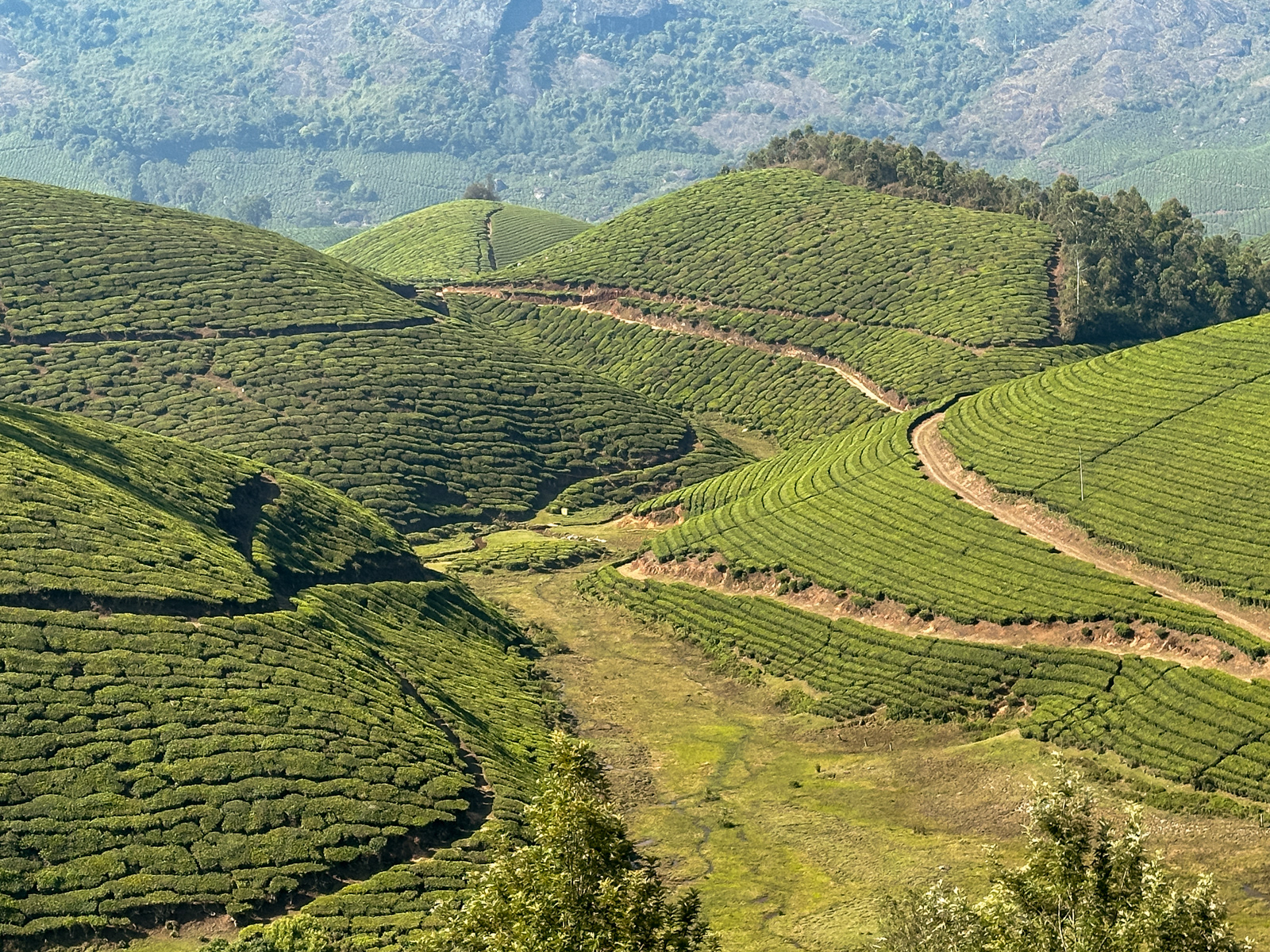
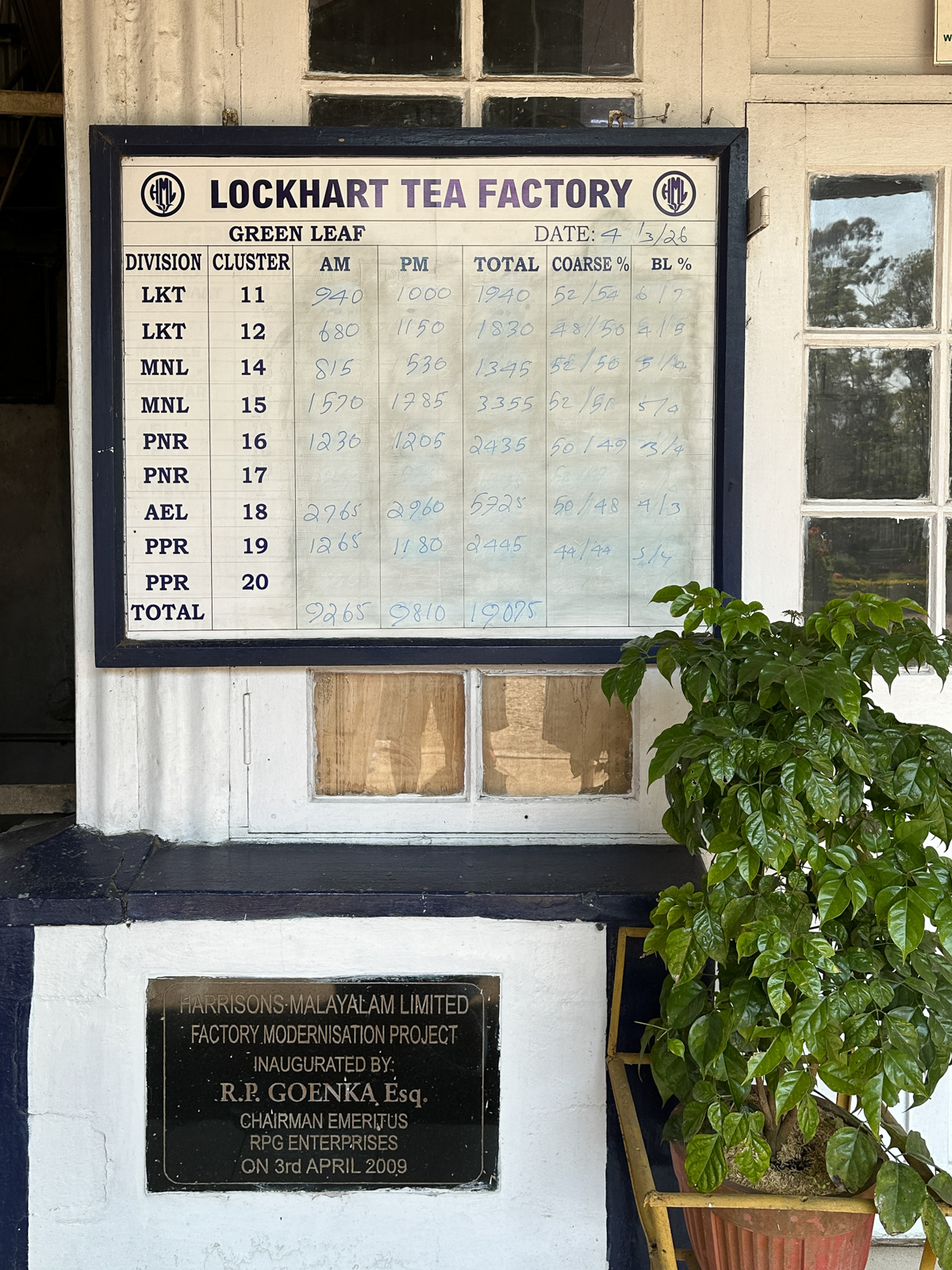
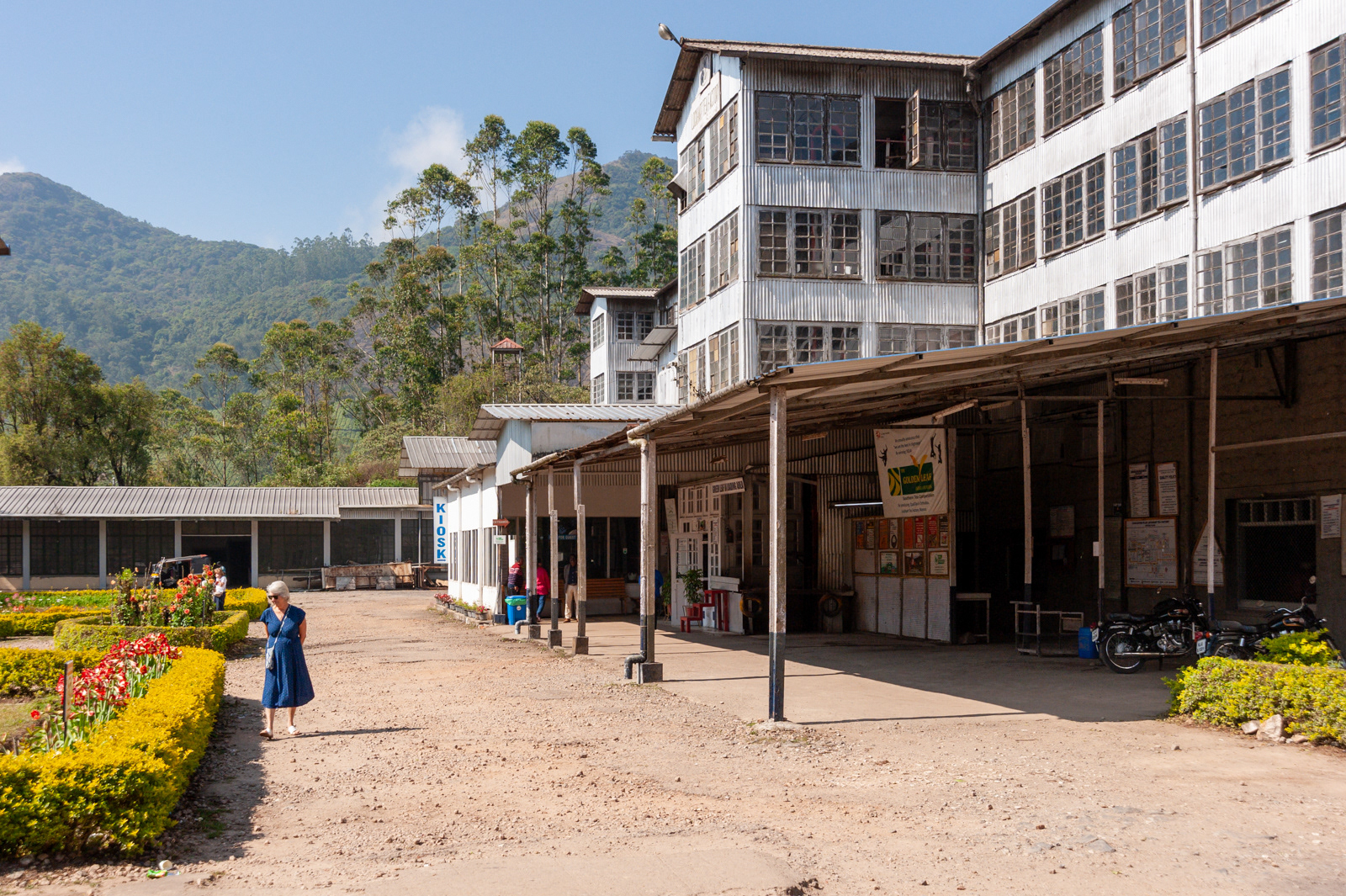

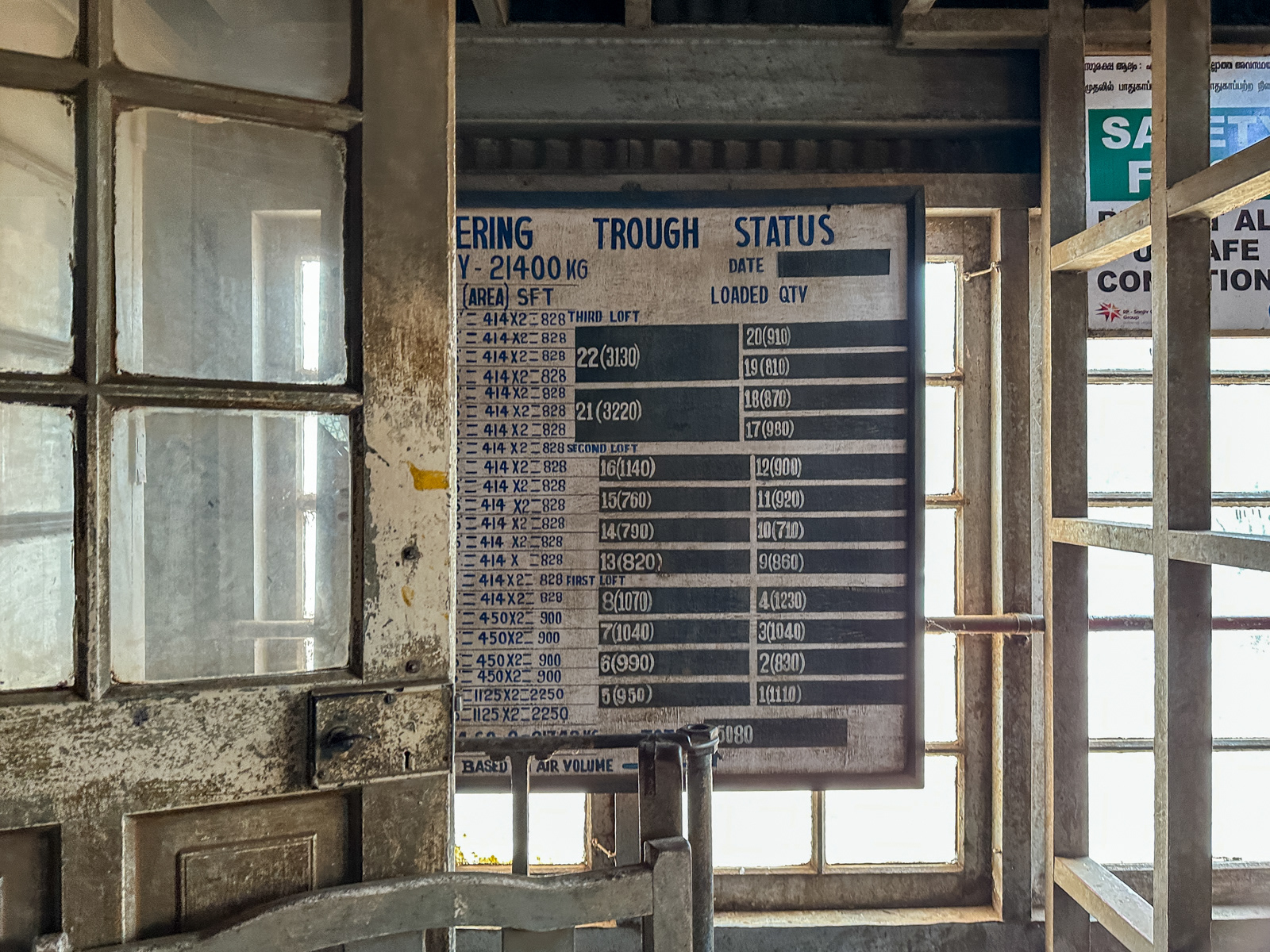
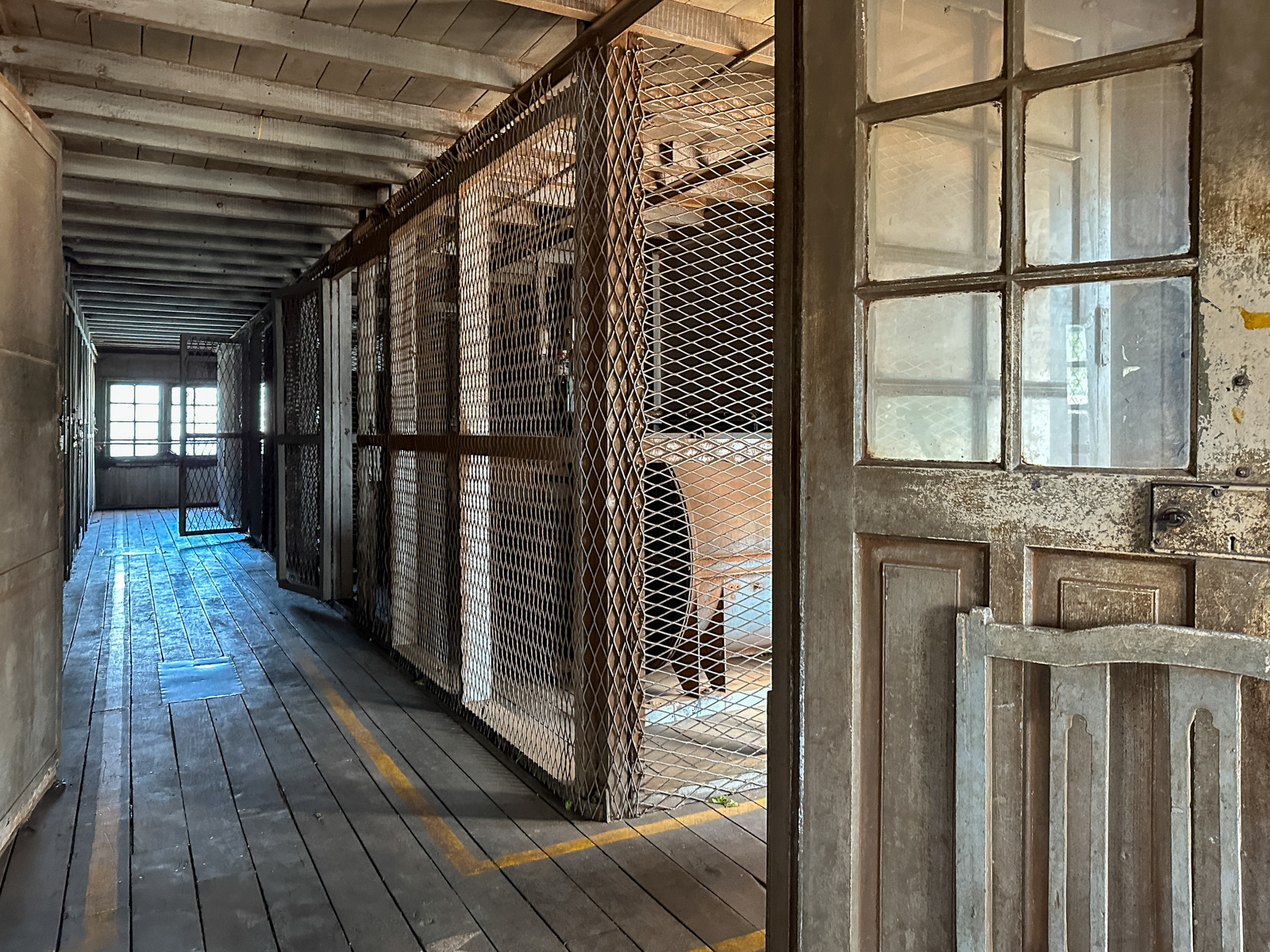
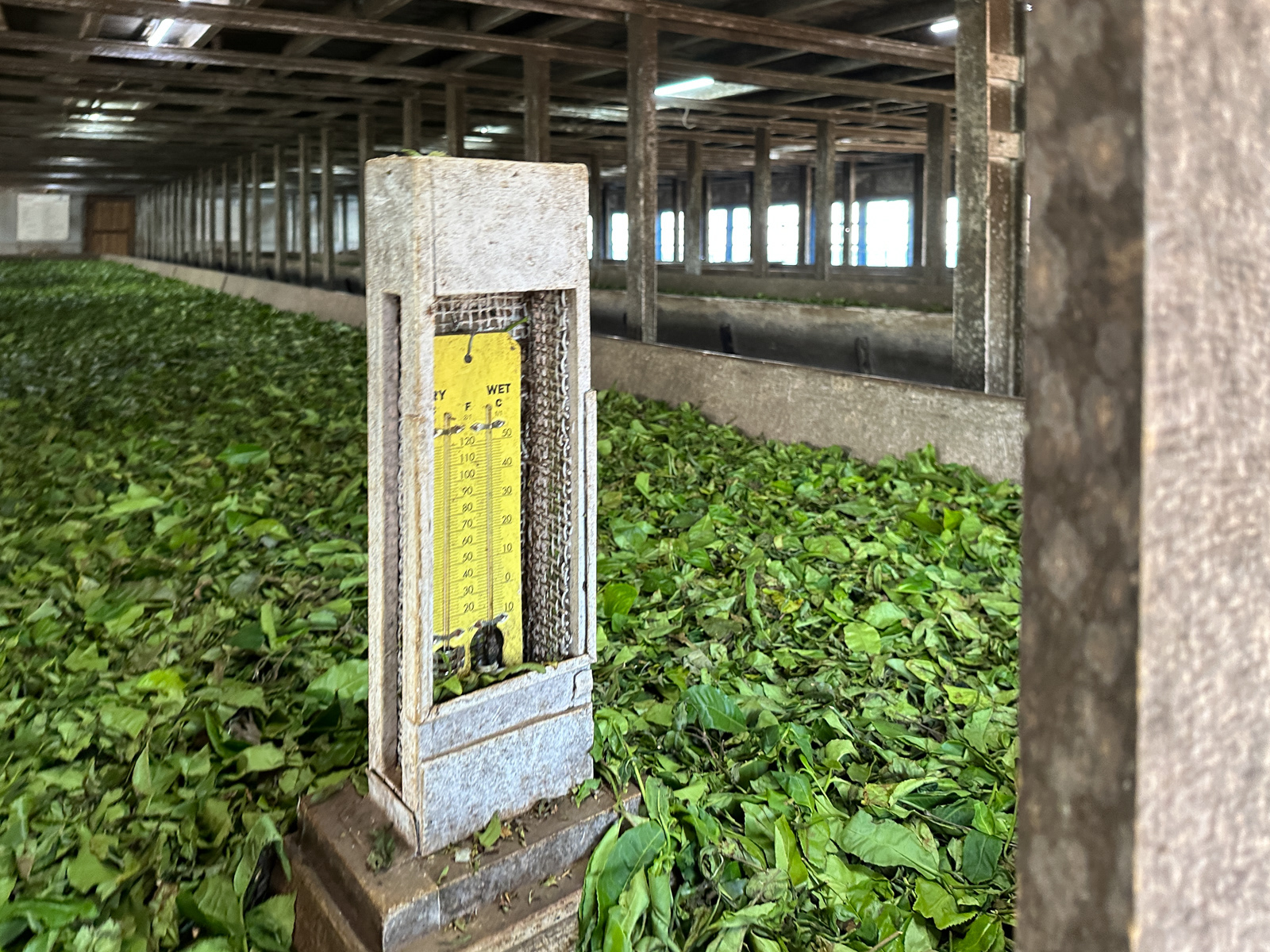
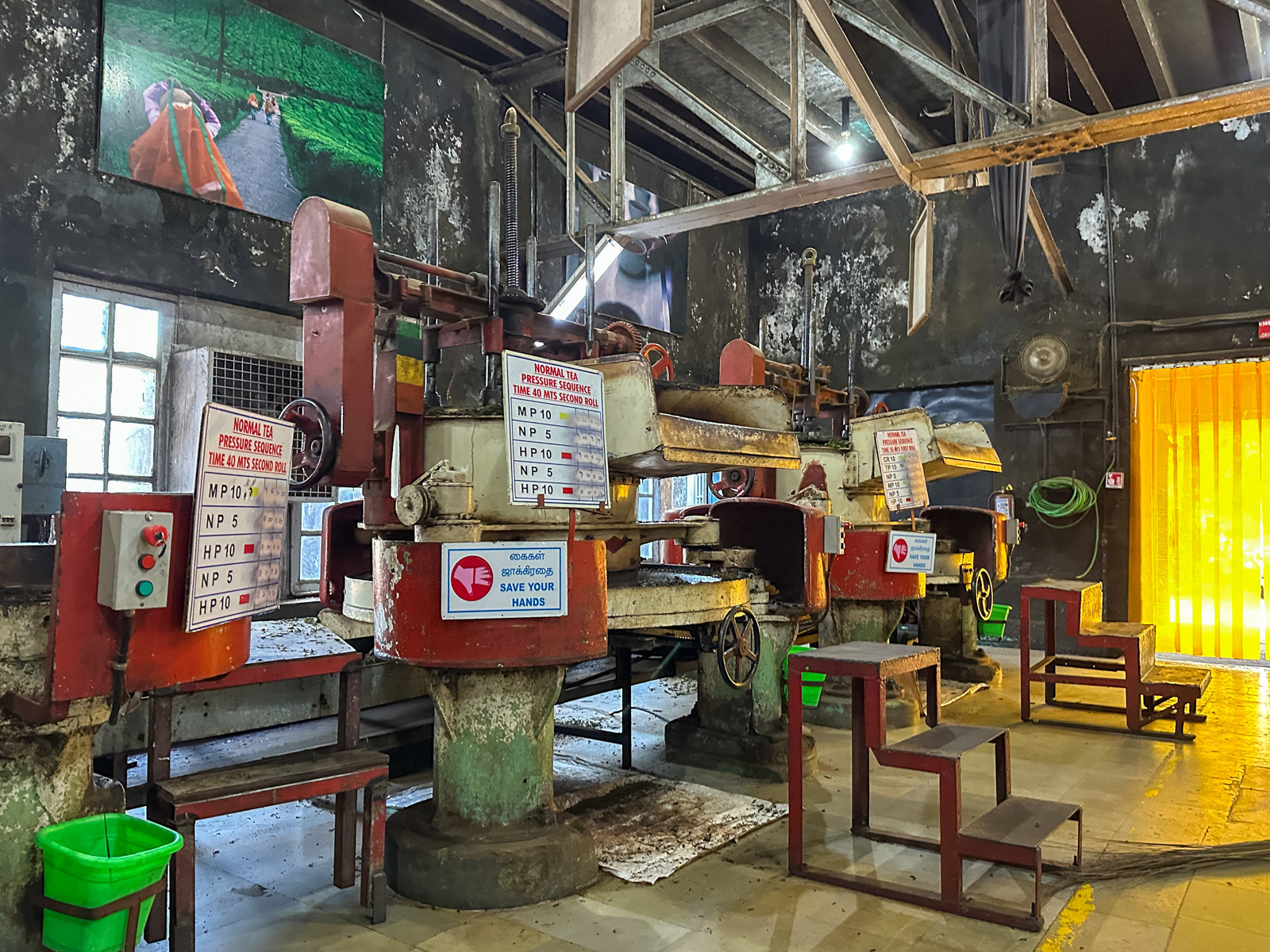
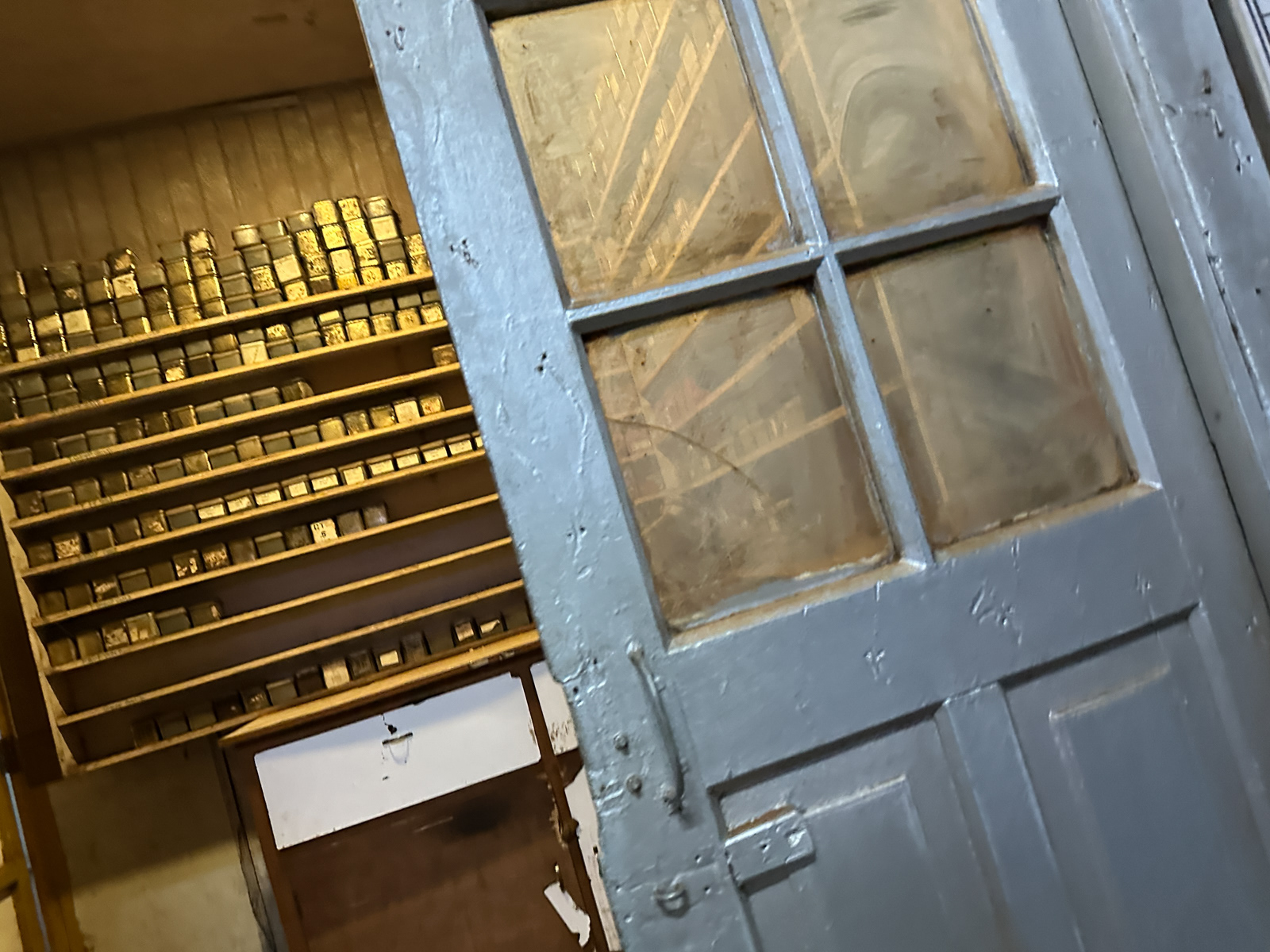
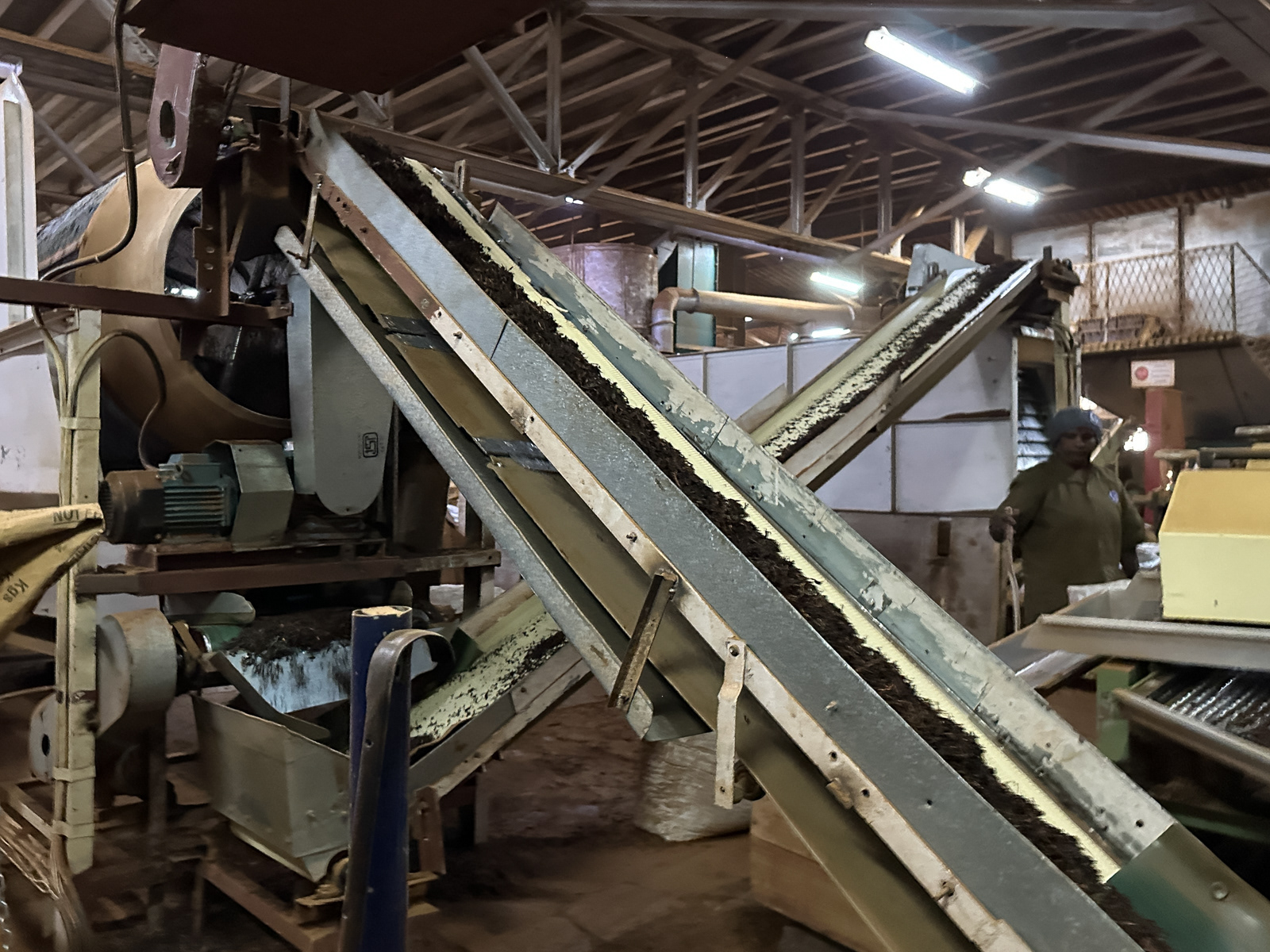
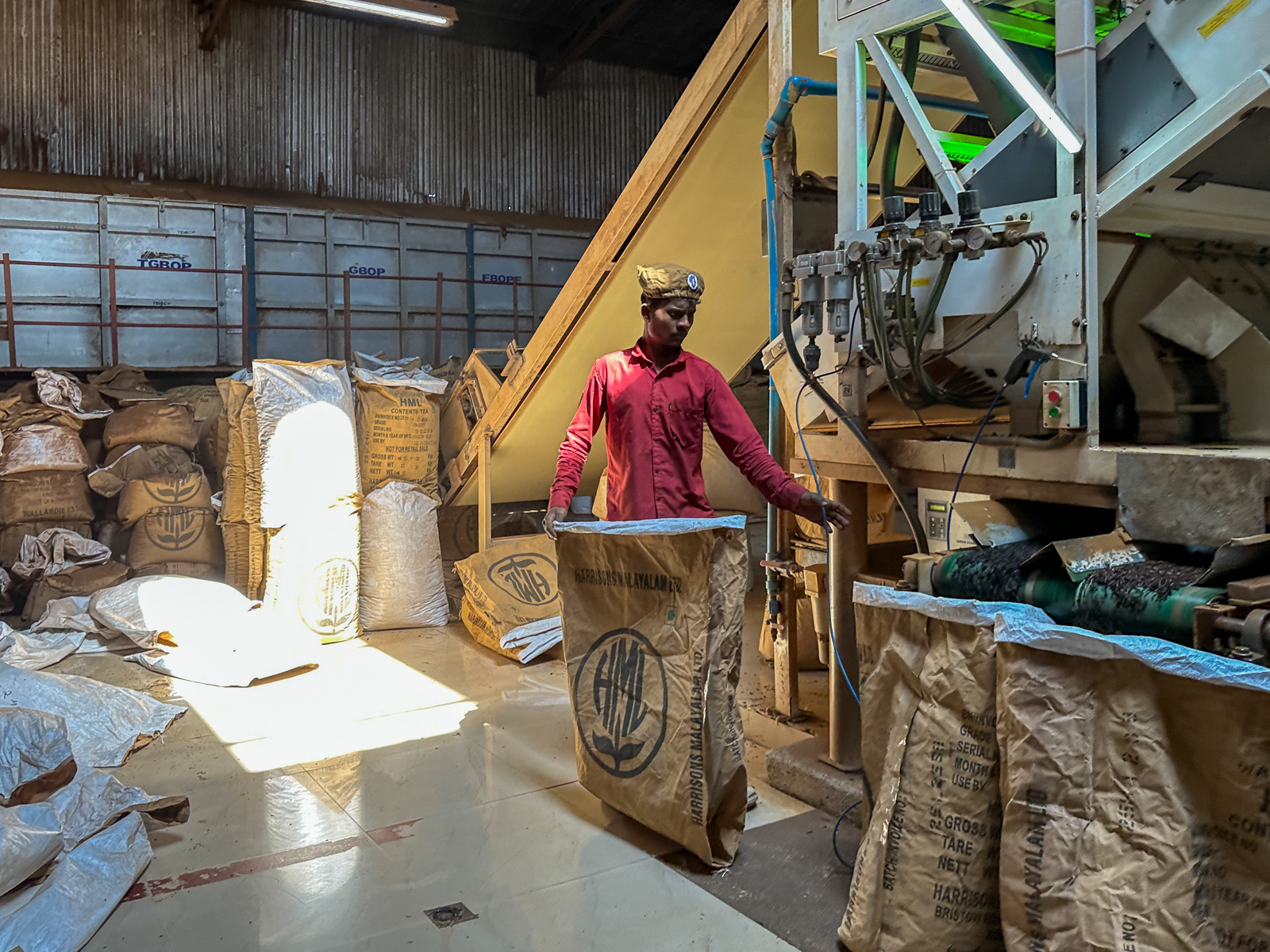
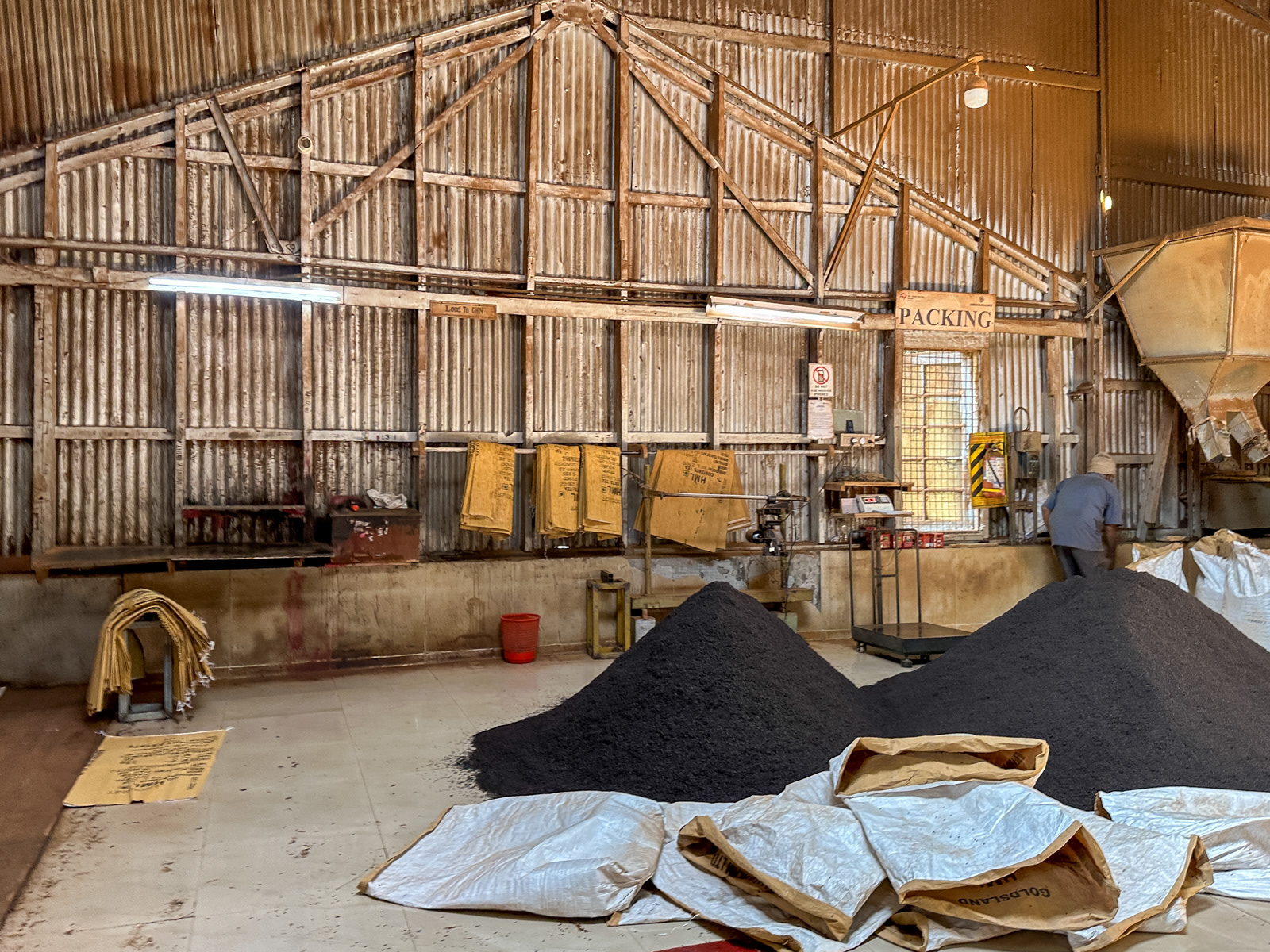
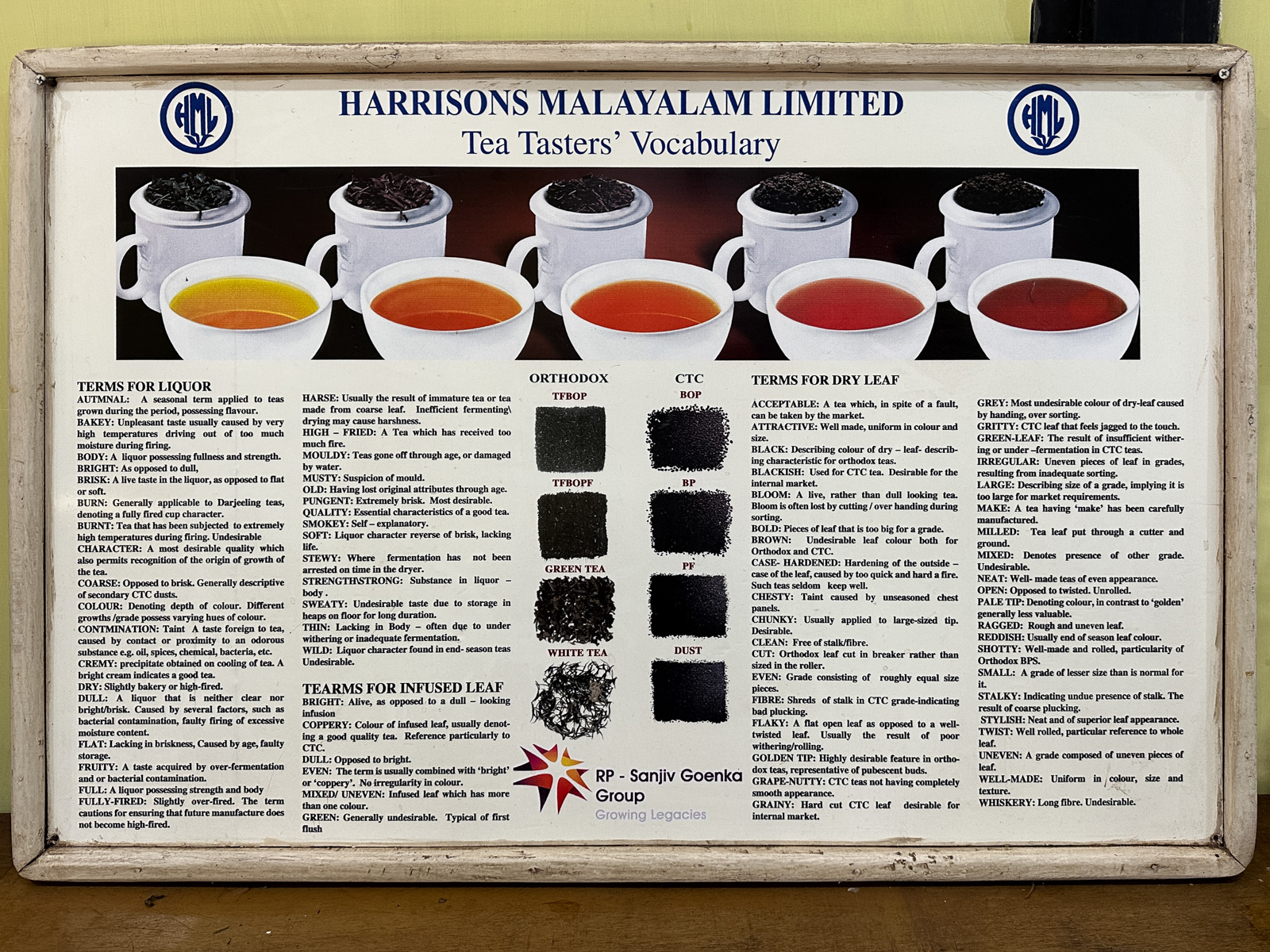
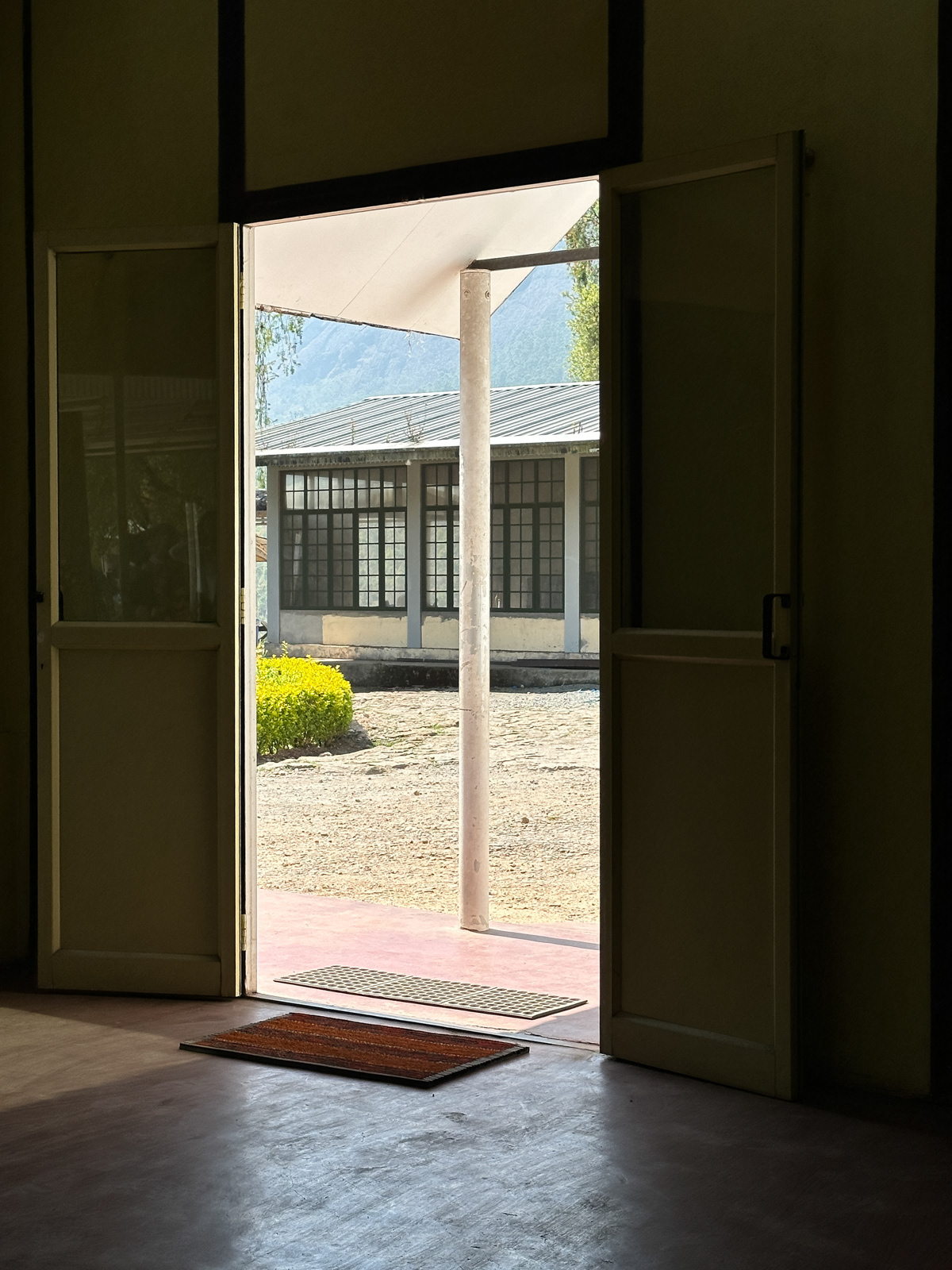
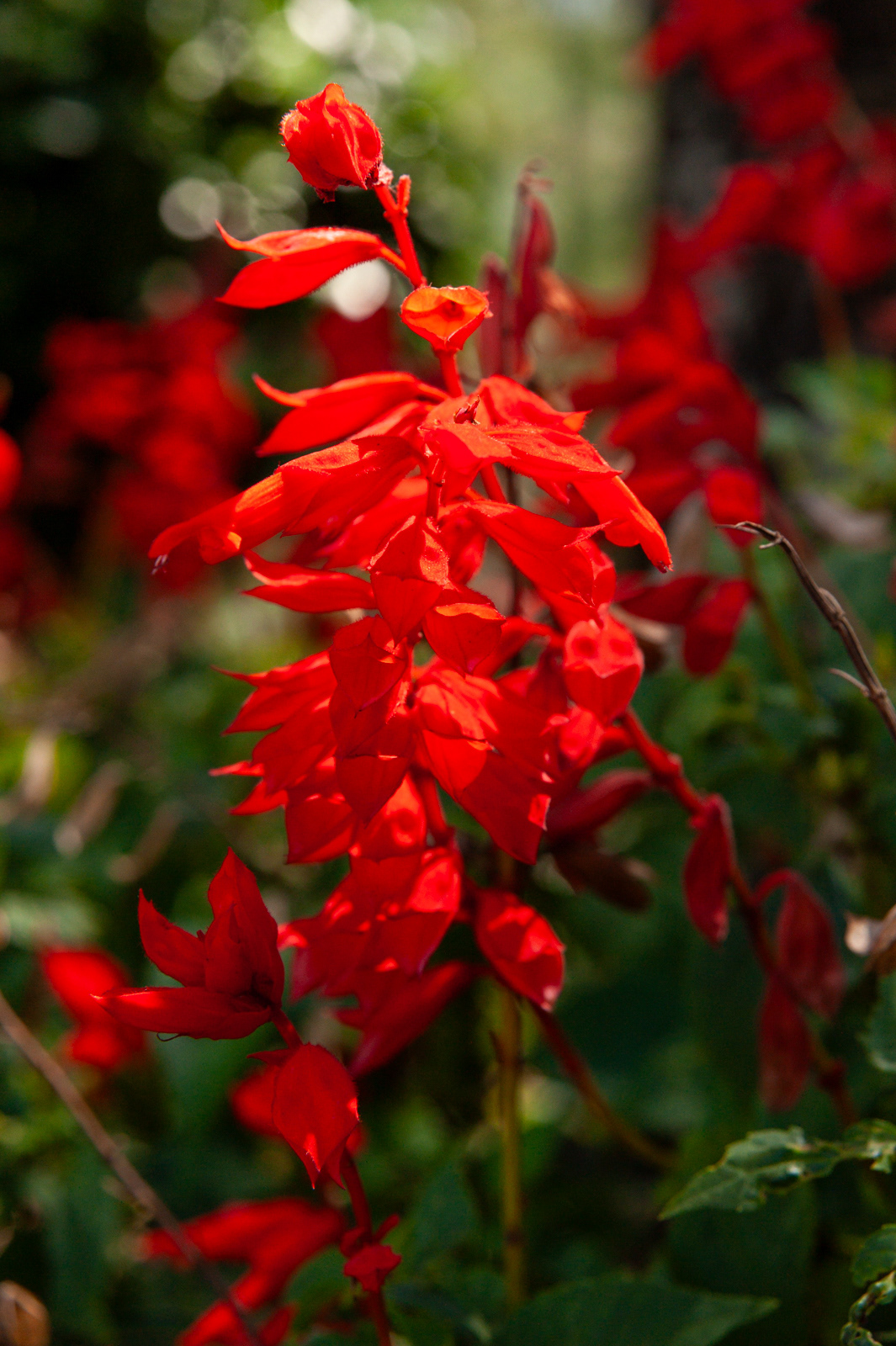
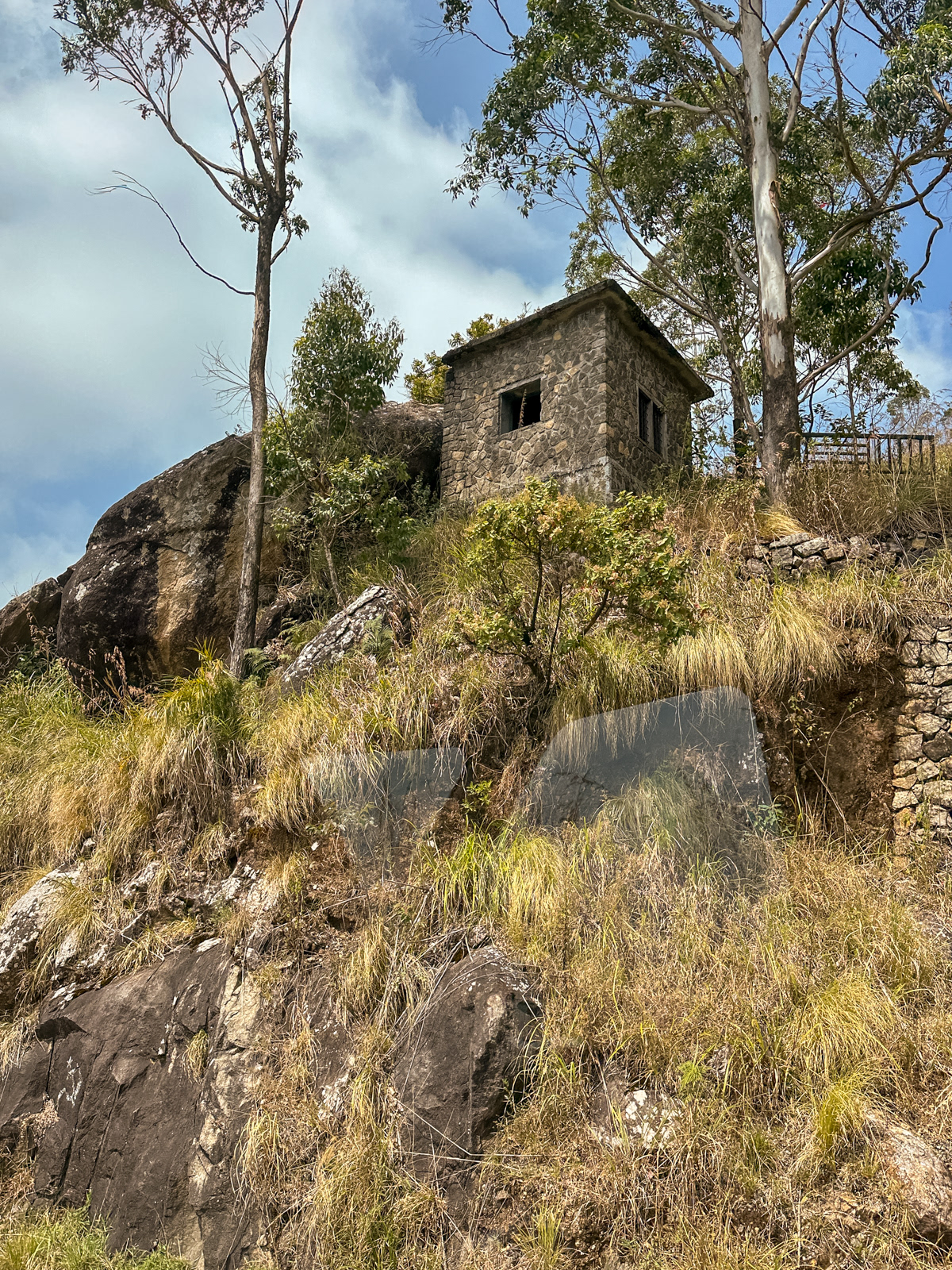
The Lockhart Estate dates from 1879 and sits 10km southeast of Munnar. The Lockhart Tea Factory was built in 1936. Munnar is the highest tea-growing region in the world.
“The tea grown here is by far the purest in India,” claims Asumugam, who has worked in the industry for 44 years. “We don’t sell to Indian companies, all of our tea is exported—everywhere from Iceland to China to England, of course.” Jack Cummings
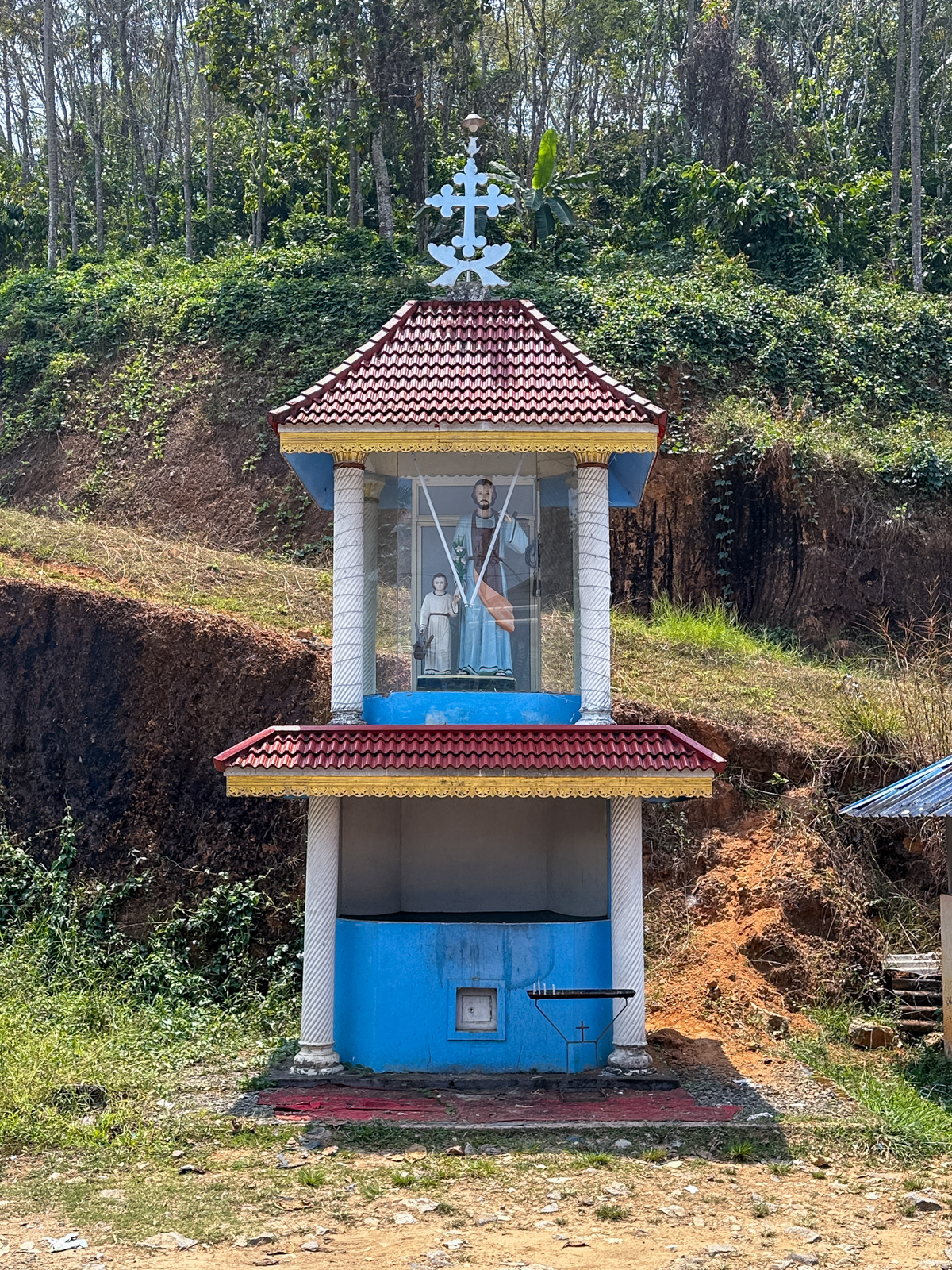
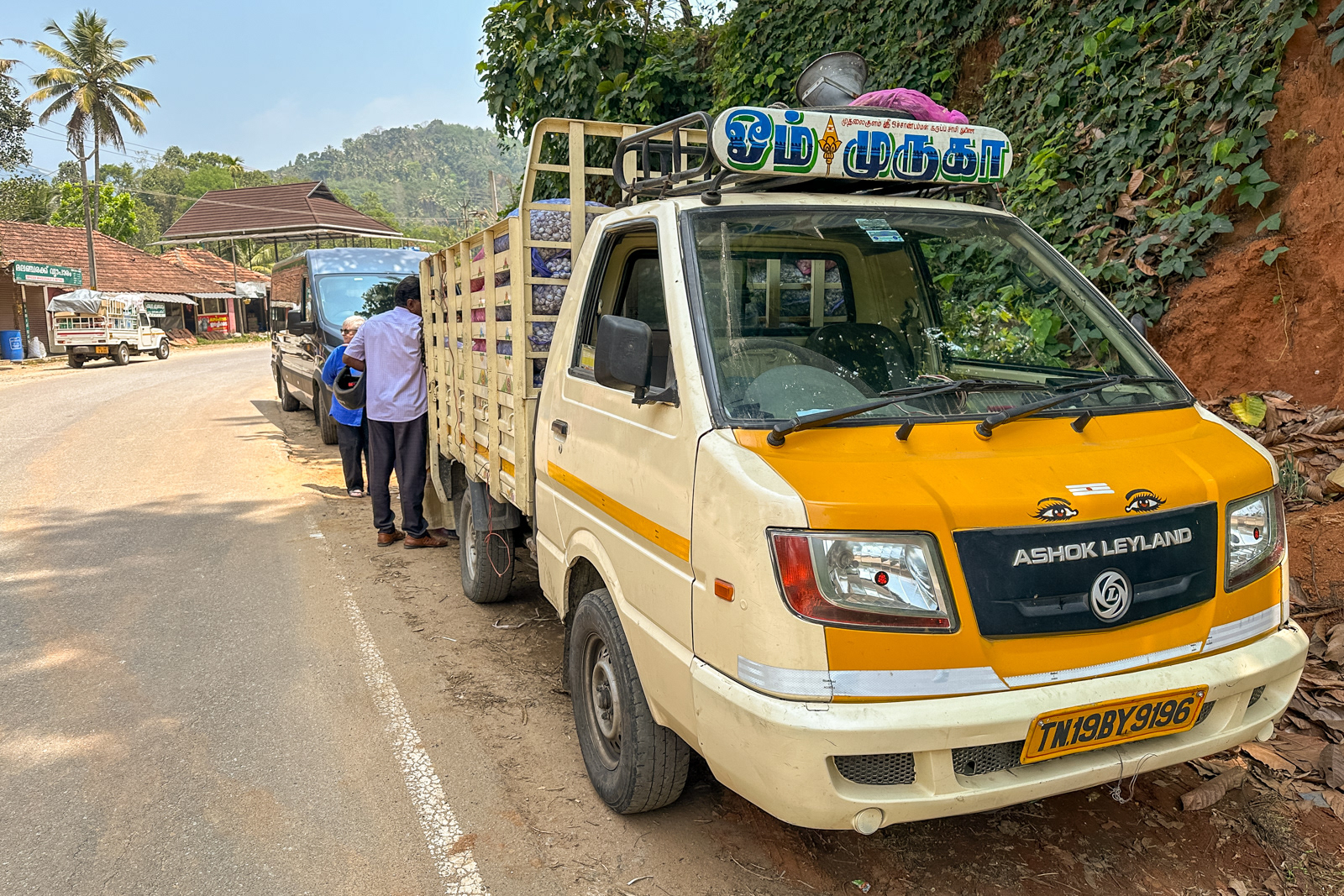
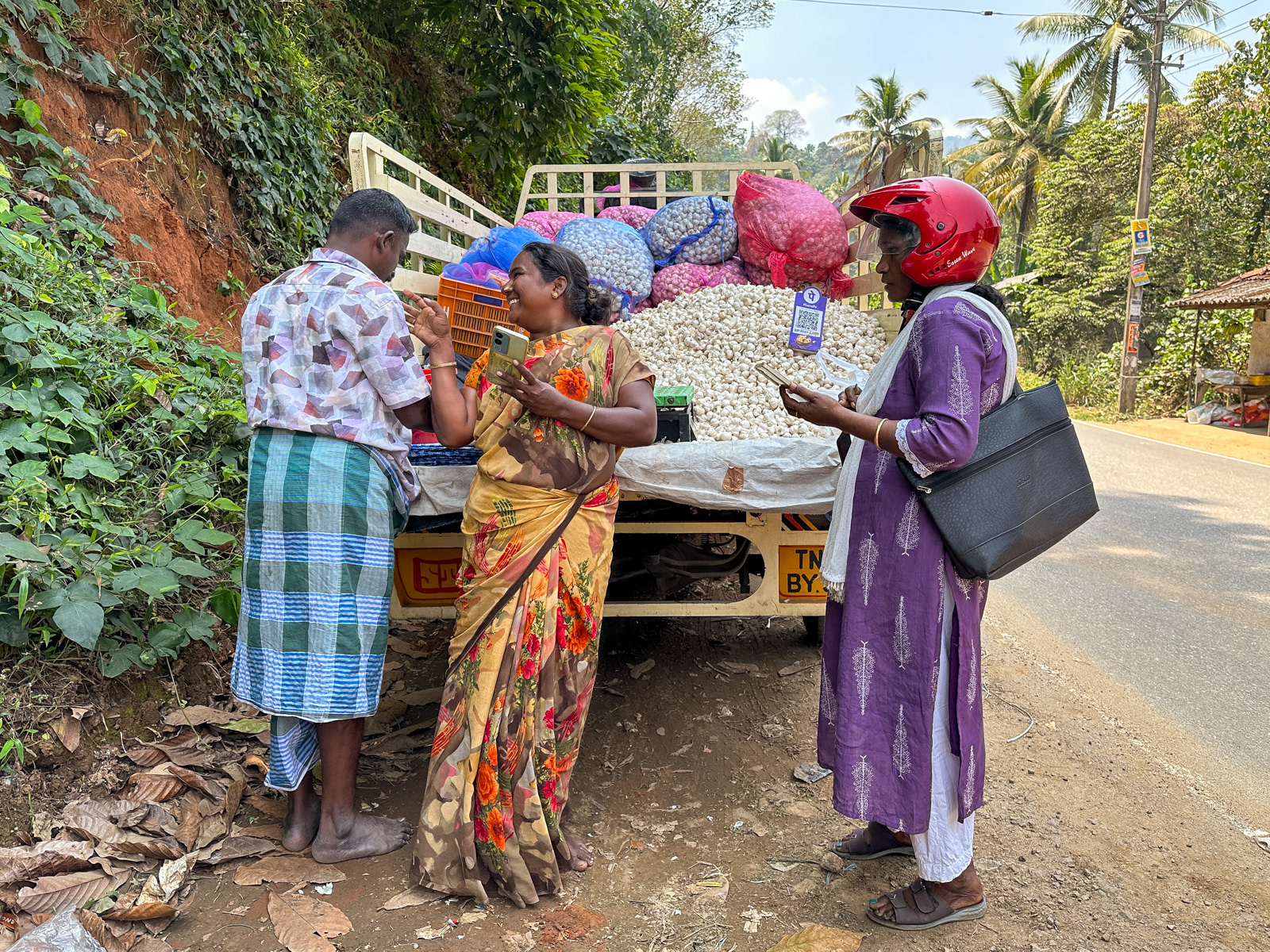
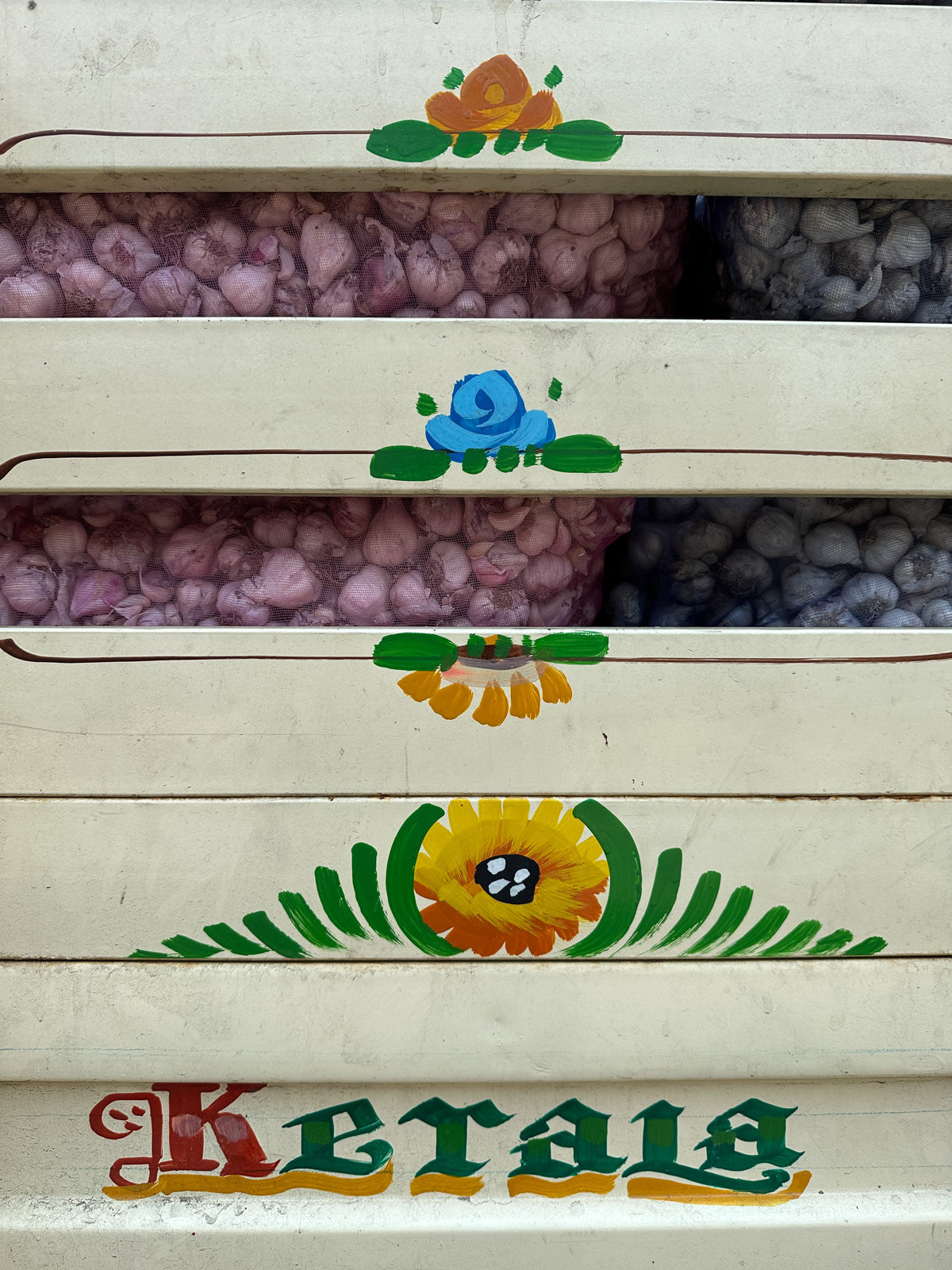
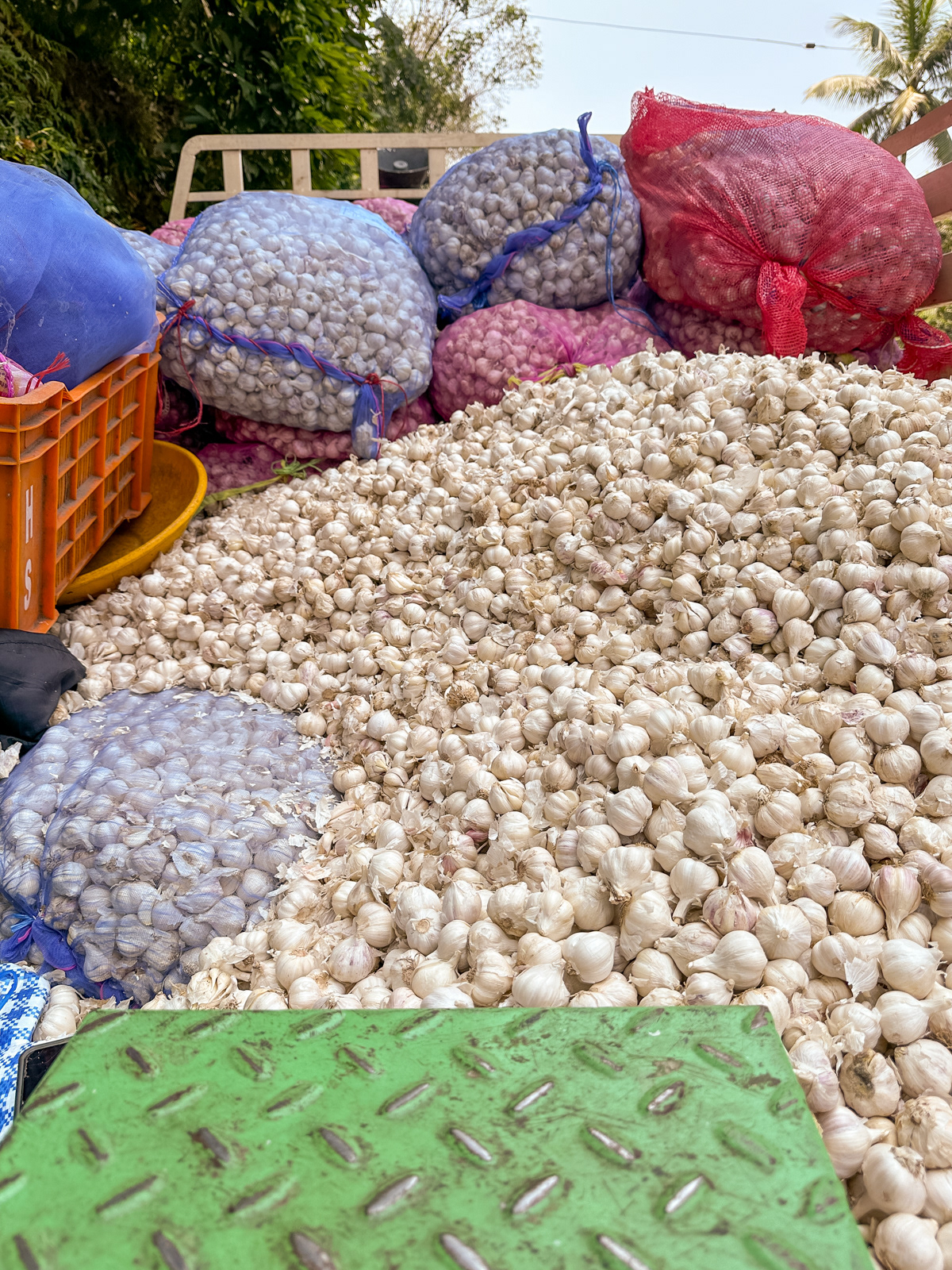
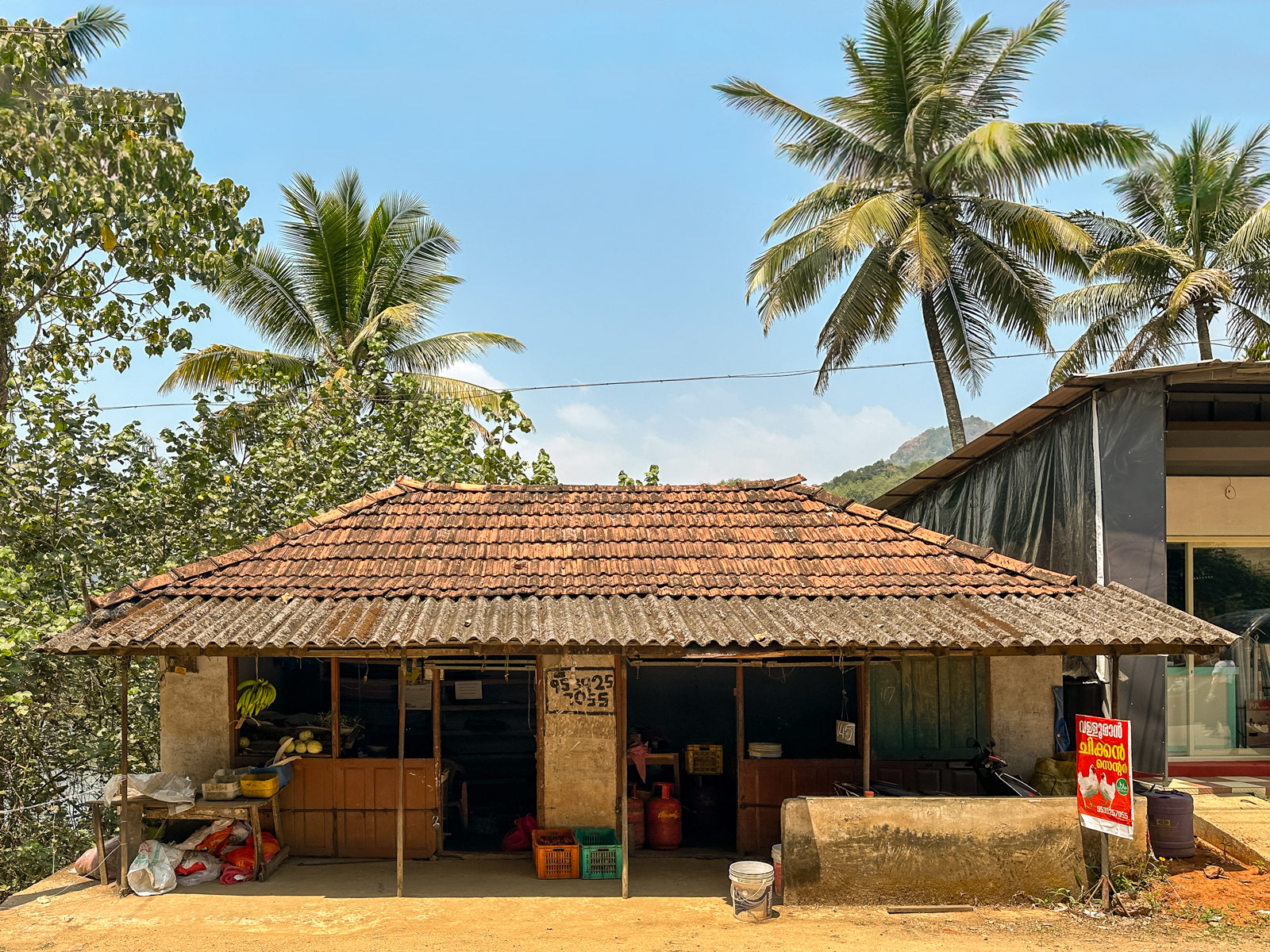
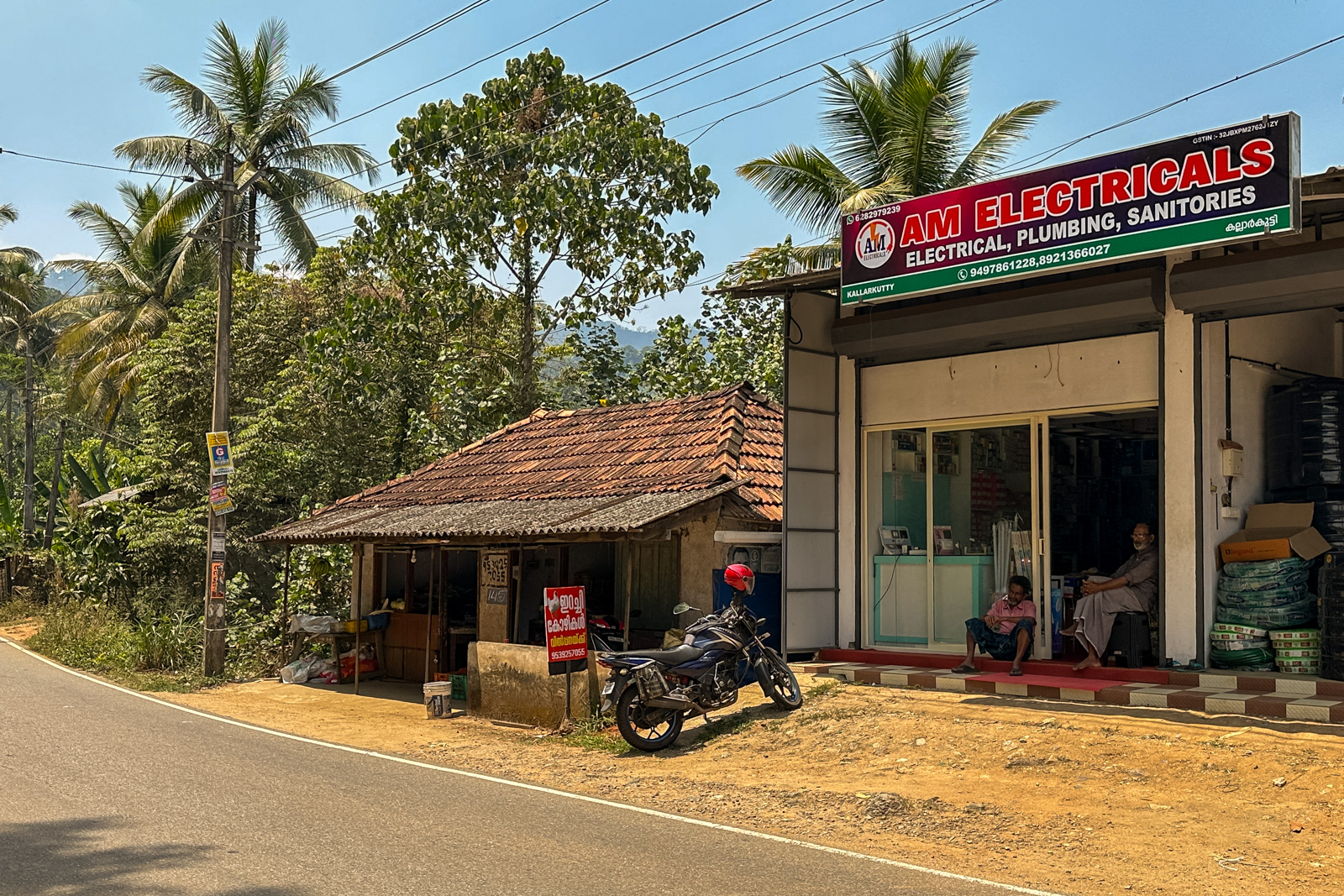
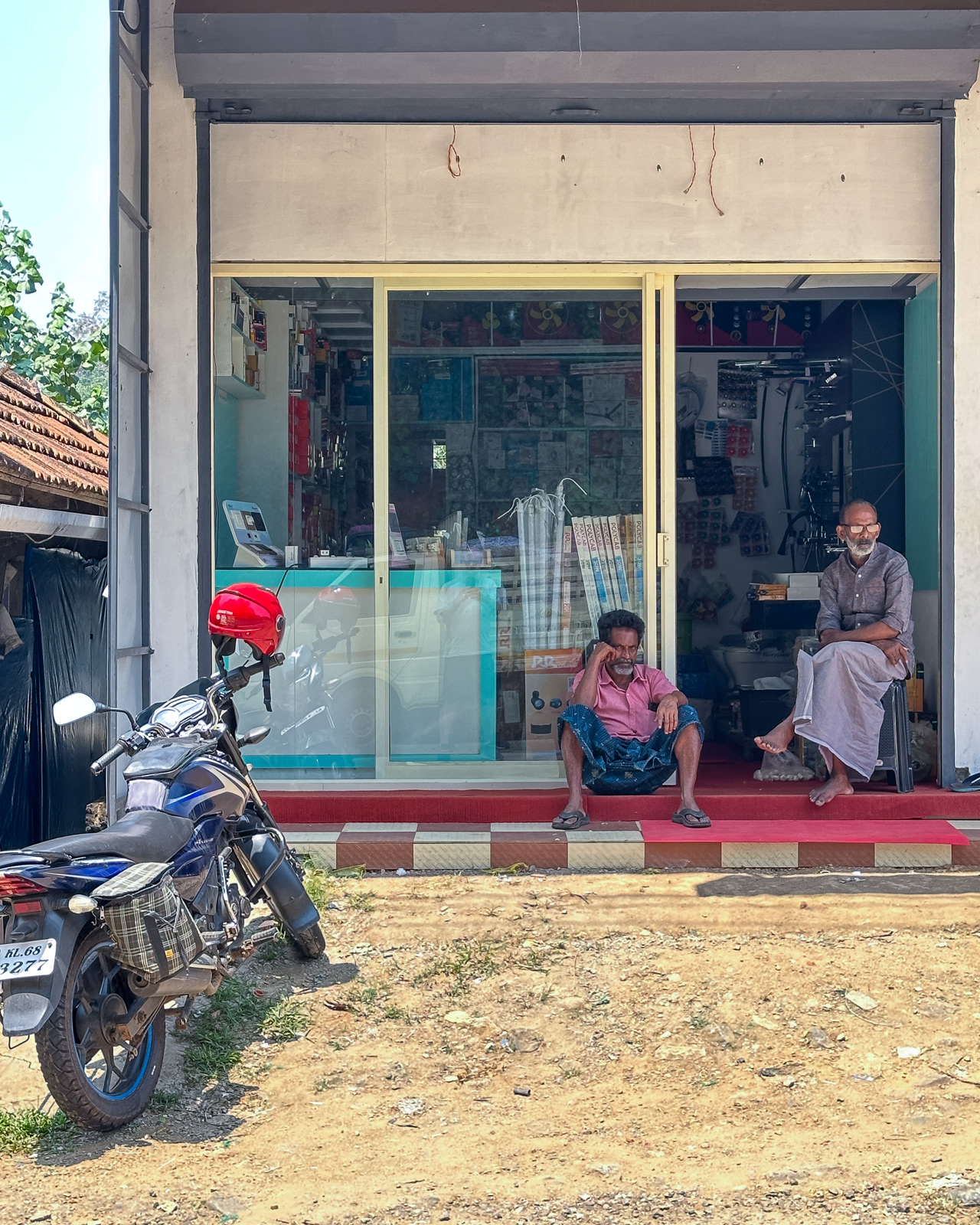
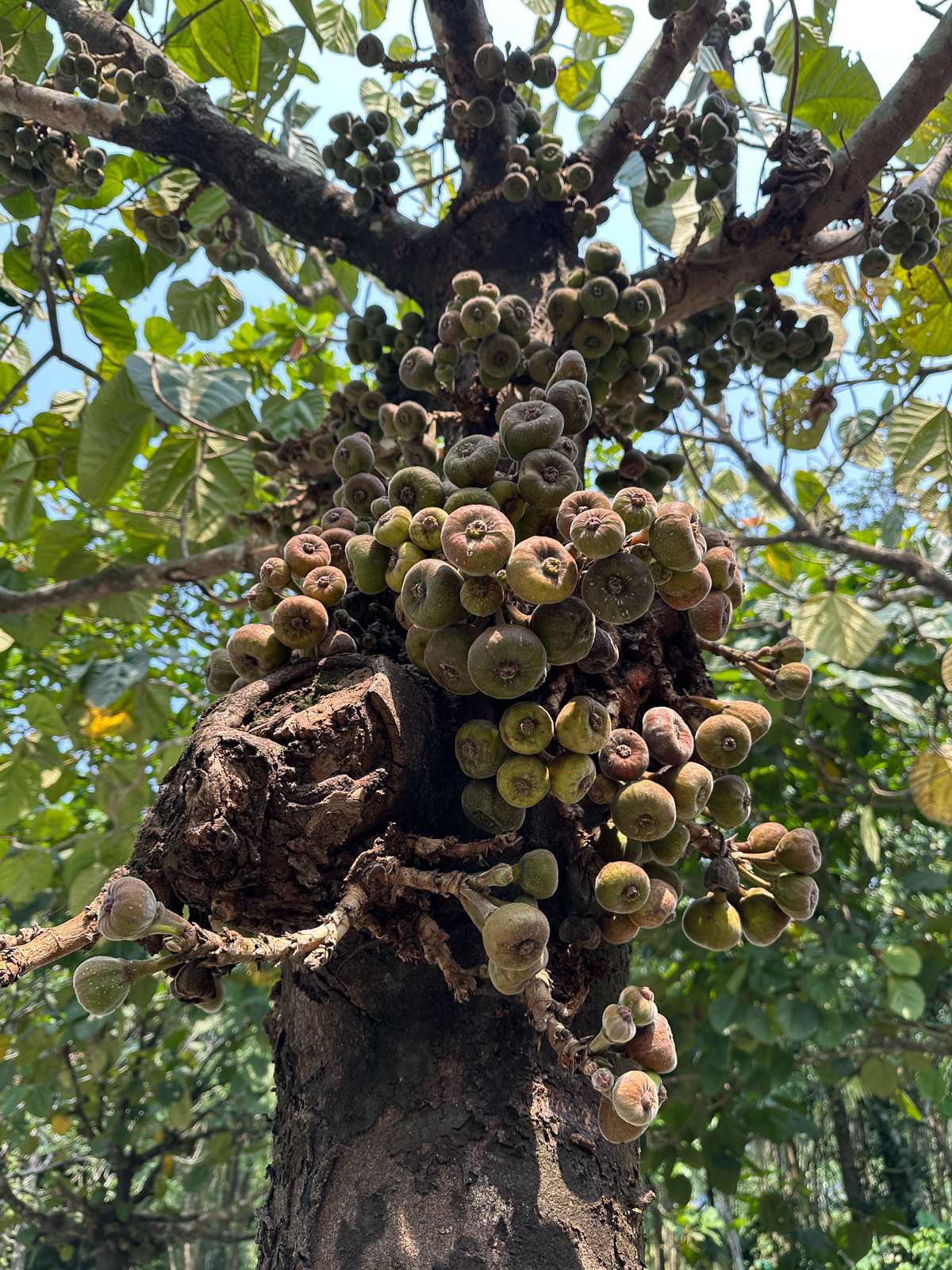
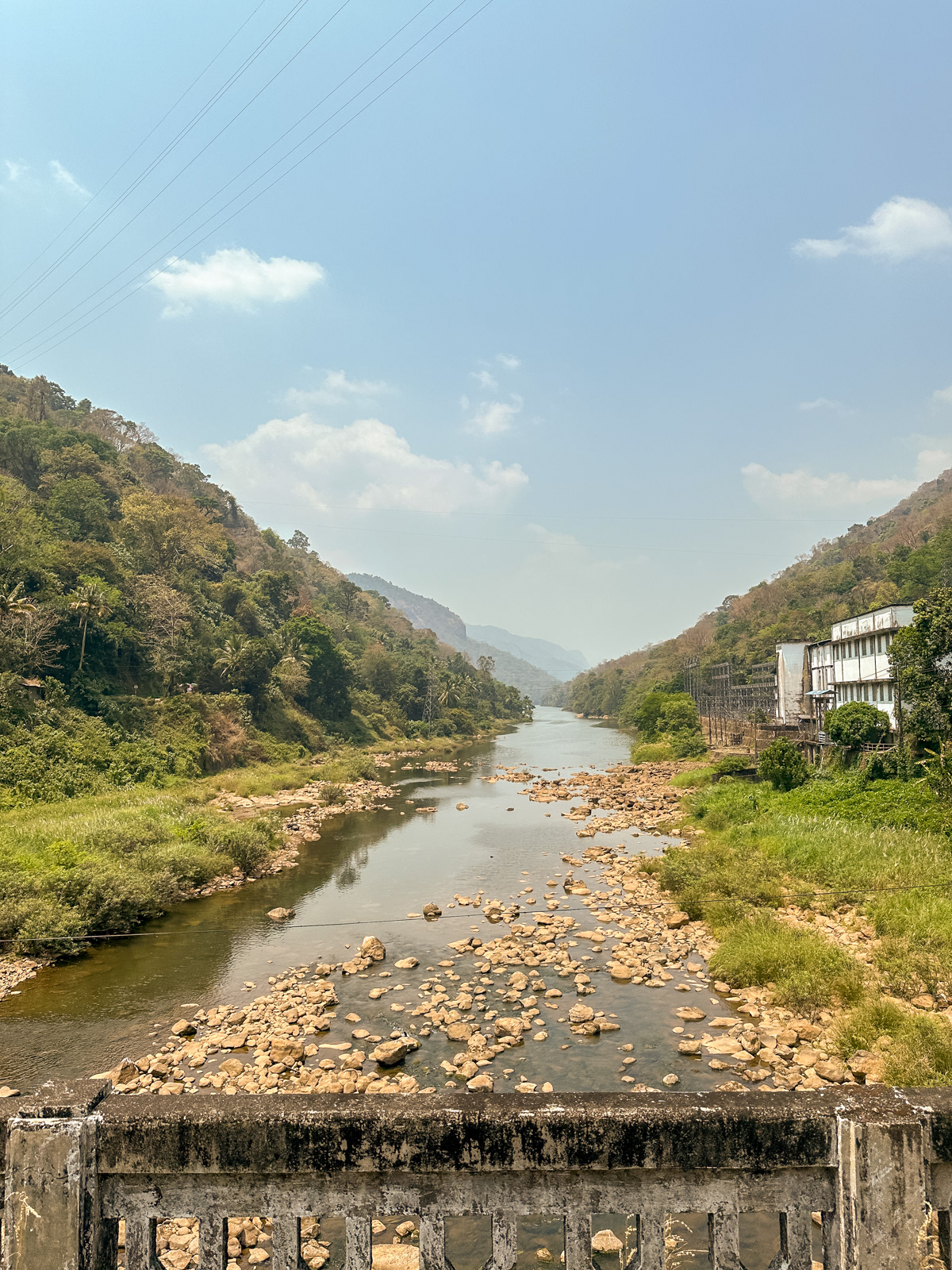
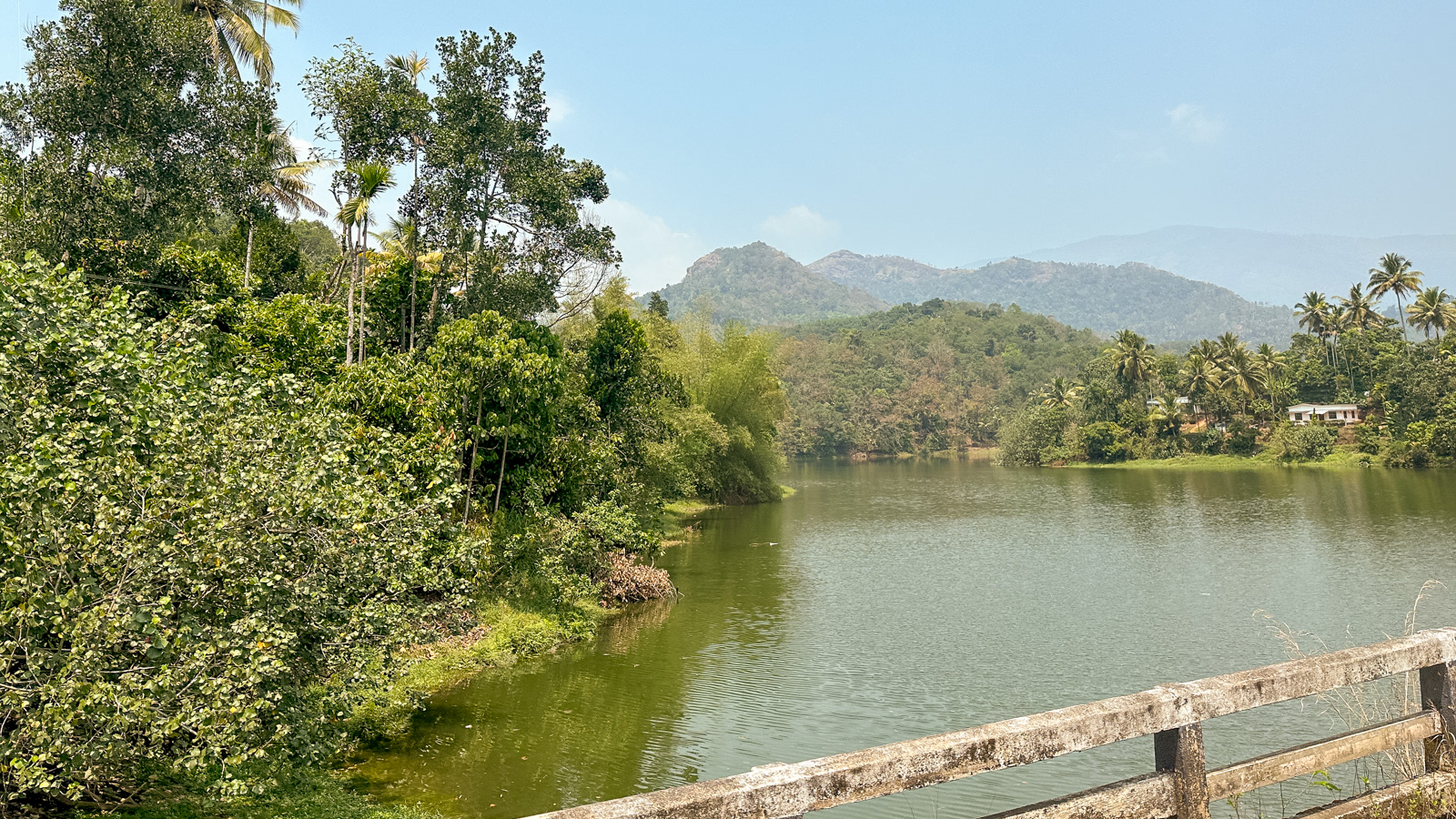
An impromptu stop at Kallarkutty and a surprise rendezvous with a local garlic seller.